

The Golden Eagle — Facts, Speed, Habitat and Everything You Need to Know
There is a bird out there that can dive at nearly 200 miles per hour, spot its prey from 2 miles away, and carry animals twice its own size through the sky without breaking a sweat. It has been feared by wolves, respected by kings, and used in falconry exclusively by royalty for thousands of years.
That bird is the Golden Eagle — and it is arguably the most powerful, most impressive, and most fascinating bird of prey on the entire planet.
In this complete guide, we cover everything you have ever wanted to know about the golden eagle — from its jaw-dropping speed and hunting abilities to where it lives, what it eats, and whether it still exists today. If you love the wild world of animals, you are going to want to read every single word of this one.
What is the Golden Eagle?
The golden eagle’s scientific name is Aquila chrysaetos, with chrysaetos coming from the Greek words for gold and eagle. It belongs to the family Accipitridae and is one of the most widely distributed eagle species on Earth, found across the entire Northern Hemisphere, including North America, Europe, Asia, and parts of North Africa.
The golden eagle lives in the northern hemisphere across four continents and over 70 countries. It inhabits semi-open areas with rocky ledges and cliffs and spends its days soaring low to the ground in search of prey. This species is ferocious and sits at the very top of the food chain as a true apex predator — capable of killing and eating animals twice its own size.
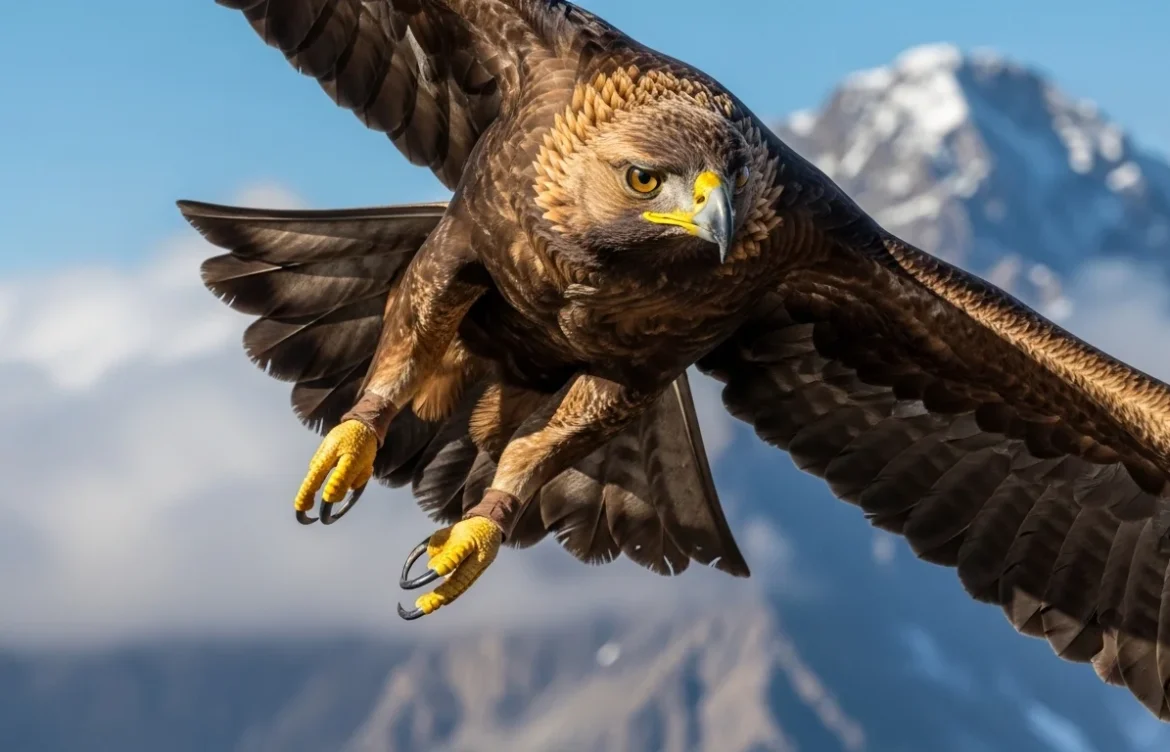
The name golden does not describe the bird’s entire body — which is actually dark brown — but rather the stunning golden-buff feathers that gleam on the back of its head and neck. When sunlight catches these feathers in flight, the result is one of the most breathtaking sights in the natural world.
Lustrous gold feathers gleam on the back of its head and neck, and a powerful beak and talons advertise its hunting prowess. It is one of the largest, fastest, and nimblest raptors in North America — a creature that has earned its place among the most fascinating animals on Earth.
What is So Special About the Golden Eagle?
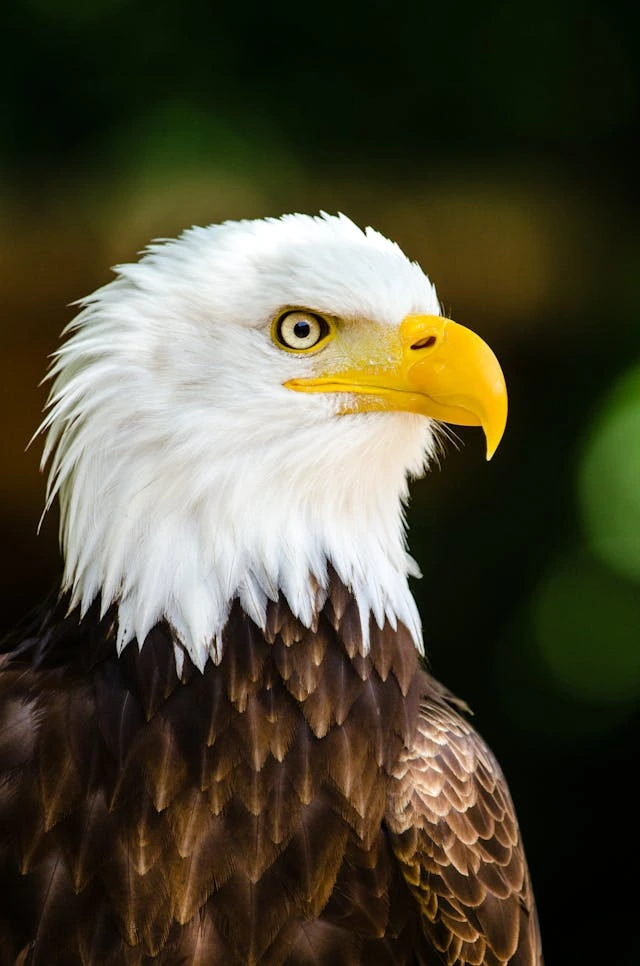
This is one of the most searched questions about golden eagles — and for very good reason. Almost everything about this bird is extraordinary.
Incredible Speed
In a straight vertical stoop, the golden eagle is capable of achieving speeds in excess of 200 miles per hour. This is a hunting tactic which it uses to catch large high-flying birds before they have any chance of escape. In horizontal flight golden eagles are also among the fastest birds alive, capable of reaching speeds of 130 kph or 80 mph. This makes the golden eagle one of the two fastest living animals on Earth alongside the peregrine falcon.
Extraordinary Vision
It is estimated that the golden eagle’s eyesight is 4 to 8 times better than that of humans. This means they can spot prey on the ground at a distance of up to 2 miles away. Their eyes are also forward-facing — giving them exceptional depth perception that makes pinpoint strikes at extreme speed possible. While flying at 200 mph they can identify a rabbit-sized animal from over a mile above the ground.
Massive Wingspan
Golden eagles are one of the largest birds in North America measuring 26 to 33 inches long and weighing between 105 to 216 ounces, with a wingspan stretching between 72 and 86 inches — that is up to 7 full feet from wingtip to wingtip.
Hunting Over 400 Species
Golden eagles are highly capable generalist predators known to prey upon over 400 individual species including mammals, birds, fish, and insects. When food is scarce they will tackle large and dangerous animals and have even been observed capturing bear cubs and seal pups.
Royal Status
Historically the golden eagle was the exclusive hunting partner of kings and nobles. Using a trained golden eagle for hunting was a privilege reserved only for the highest levels of royalty — a tradition that lasted for centuries across Europe and Central Asia.
Is the Golden Eagle the Biggest Eagle?
This is a question that surprises many people — because the answer is not quite what most expect.
The golden eagle is not the single biggest eagle in the world but it is absolutely among the top tier. The only species in the genus Aquila that exceeds the golden eagle in average wingspan and length is the wedge-tailed eagle of Australasia — however the wedge-tailed eagle is a slightly less heavy bird overall.
Adults have a wingspan of up to 2.3 meters with females typically larger than males. Key physical features include a powerful hooked beak, bright yellow feet, and razor-sharp talons designed for gripping and crushing prey. The Himalayan subspecies of the golden eagle is one of the largest with some individuals reaching a wingspan of over 9 feet.
The golden eagle is without question the largest eagle in North America. Its combination of size, speed, agility, and incredible physical strength makes it more impressive in practical terms than many eagles that are technically larger in measurements alone.
Despite a global Least Concern conservation status with over 160,000 birds worldwide, regional populations face serious threats from habitat fragmentation, lead poisoning, power line electrocution, and wind turbine collisions.
Golden Eagle vs Bald Eagle — Which is More Powerful?
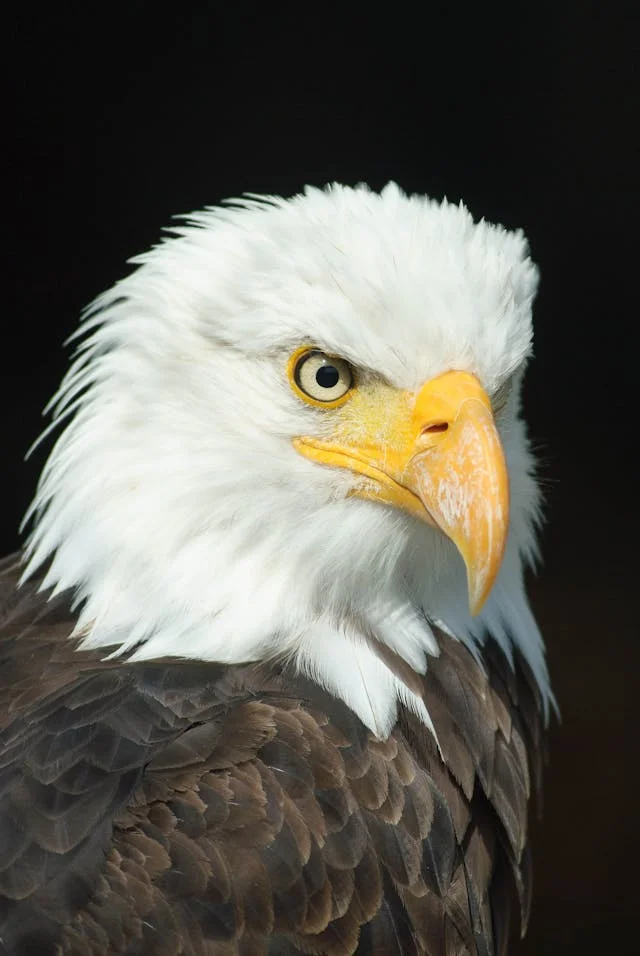
This is one of the most hotly debated questions in the bird world. Let us settle it with real facts.
Both the bald eagle and golden eagle are large birds comparable in overall size. In general these raptors tend to have a wingspan between 6 and 8 feet. Males are smaller than females in both species weighing around 10 pounds on average.
But when it comes to speed and raw hunting power the golden eagle wins clearly.
The golden eagle is much faster than the bald eagle. Golden eagles can fly upwards of 200 miles per hour while diving. By comparison bald eagles attain maximum dive speeds below 100 miles per hour — less than half the speed of the golden eagle.
The bald eagle is more of a scavenger and opportunistic fish hunter. While similar in size to the bald eagle the golden eagle is less of a scavenger and much more of an active predator — actively hunting and killing its prey rather than waiting for easy meals or stealing from other animals. This kind of aggressive predatory behavior is something shared by very few animals in the natural world — much like the fearless honey badger which is known for attacking animals far larger than itself.
In terms of aggression, speed, and raw hunting ability the golden eagle is widely regarded as the more powerful and more dangerous of the two. The bald eagle holds strong symbolic cultural significance as the national bird of the United States — but in a straight contest of hunting ability, speed, and predatory power the golden eagle takes the crown every time.
What Does the Golden Eagle Eat?
Golden eagles are carnivores that prey mainly on small to medium sized mammals. While capable of killing very large prey they typically hunt animals such as hares, rabbits, ground squirrels, prairie dogs, and marmots. They are also known to kill larger and more dangerous mammals including seals, mountain goats, coyotes, badgers, and bobcats.
Their hunting strategy is as impressive as their prey list. Pairs are known to hunt cooperatively during the breeding season — one eagle diverts the animal’s attention while the second makes the kill from behind. This level of cooperative animal behavior is rare in birds of prey and shows just how advanced the golden eagle’s intelligence truly is.
Golden eagles can dive at speeds of up to 240 kph or 150 mph when actively hunting. They use a combination of soaring high above the landscape to spot prey with their extraordinary eyesight then folding their wings into a steep dive to strike before their target has any chance of escape.
They are also opportunistic scavengers — feeding on carrion when fresh prey is not available. This dietary flexibility is one of the key reasons golden eagles have survived and thrived across such a wide range of environments and climates around the world.
Where Do Golden Eagles Live?

Golden eagles favor partially or completely open country especially around mountains, hills, and cliffs. They use a wide variety of habitats ranging from arctic tundra to desert including shrublands, grasslands, coniferous forests, farmland, and areas along rivers and streams.
In the United States the golden eagle is found mostly in the western half of the country and is relatively rare in eastern states. They are most commonly found in Alaska, the Rocky Mountain region, California, and across the Great Plains. They prefer remote and rugged landscapes where human disturbance is minimal and open hunting grounds are plentiful.
The golden eagle seeks open areas with large rocky cliffs or large trees such as pines, cypress, or sycamores to nest in. They can be found throughout much of the Northern Hemisphere typically in sparsely populated areas far from major cities and dense human settlements.
Unlike many other birds and animals that adapt to human environments the golden eagle is particularly sensitive to human disturbance and actively goes out of its way to avoid heavily populated areas. This is one reason why golden eagle sightings in urban environments are extremely rare even in regions where they are common.
Do Eagles Sleep at Night?
This is one of the most commonly asked questions about golden eagles — and the answer is both simple and fascinating.
Yes — golden eagles do sleep at night. They are diurnal birds meaning they are active during the day and rest at night. Their daytime vision is extraordinary — 4 to 8 times better than a human — but their night vision is actually only similar to that of humans which is why they hunt exclusively during daylight hours.
Golden eagles typically roost on high cliff ledges, large tree branches, or rocky outcrops at night. These locations give them a commanding view of their surroundings even while resting and provide protection from ground-based predators. They are highly territorial birds and will often return to the same roosting spots night after night within their established home territory.
During extreme cold conditions they may huddle in sheltered spots to conserve body heat. However since golden eagles are largely solitary birds outside of breeding pairs this kind of communal roosting is uncommon and usually only seen in juvenile birds.
Golden Eagle Mating and Nesting
Golden eagles are one of the animal kingdom’s most devoted partners — they mate for life.
During courtship two birds circle high in the air making shallow dives at each other in a breathtaking aerial display. About one to three months before laying eggs the pair will begin building a nest of sticks and vegetation together.
Their nests — called eyries — are true engineering masterpieces. A typical golden eagle nest averages 5 to 6 feet wide, 2 feet high, and encloses a bowl about 3 feet by 2 feet deep. Some pairs use the same nest for multiple years adding new material each season until it becomes enormous. Britain’s largest known golden eagle nest was 4.6 metres deep and had been used continuously for 45 years.
The female will lay one to three eggs at a time. The incubation period is 41 to 45 days followed by a nesting period of 45 to 81 days.
In most cases only the older chick survives while the younger one dies without leaving the eyrie. This happens because the older chick has a few days advantage in growth and consequently wins most competitions for food. This survival strategy — called asynchronous nesting — is one of many shocking animal survival behaviors that nature has developed to ensure species survival even under difficult conditions.
Does the Golden Eagle Still Exist?
Yes — the golden eagle absolutely still exists and remains one of the most successful eagle species on the planet.
There are currently estimated to be over 160,000 golden eagles worldwide and the species is classified as Least Concern by the International Union for Conservation of Nature. However this global status masks some serious regional problems — in many parts of their range golden eagle populations have experienced sharp and concerning declines.
Despite the positive global picture regional populations face serious threats from habitat fragmentation, lead poisoning from ammunition in hunter-shot prey, power line electrocution, and wind turbine collisions.
More than 70% of recorded golden eagle deaths are attributable to human impact. Most recorded deaths are from collisions with vehicles, wind turbines, and other structures — making them surprisingly vulnerable for such a powerful apex predator at the top of the food chain.
The good news is that in the United States golden eagle populations are protected by strong federal law. In 1962 the U.S. Bald and Golden Eagle Protection Act made it completely illegal to harm these birds, their eggs, or their nests. Under this law anyone convicted of killing or possessing a golden eagle faces fines of up to $100,000 and up to one year in prison for a first offense — with significantly harsher penalties for repeat violations.
This is also why you cannot legally pick up a golden eagle feather even if you find one lying on the ground.
What is the Number One Killer of Eagles?
The answer to this question is unfortunately a familiar one — humans.
More than 70% of recorded golden eagle deaths are directly attributable to human activity. The main causes include collisions with vehicles, wind turbines, and power structures; electrocution at power poles; lead poisoning from ammunition fragments found inside hunter-shot prey; habitat loss from urbanization and agricultural development; and deliberate persecution by people who view them as a threat to livestock.
Historically golden eagles were heavily persecuted by farmers and ranchers who saw them as a danger to their animals. They were hunted, trapped, and poisoned in large numbers across many parts of their range. The story of the golden eagle’s persecution is not unlike the story of other misunderstood and dangerous animals that humans have feared and hunted throughout history.
Thanks to legal protections in the United States and other countries this direct persecution has reduced significantly — but the threats from modern infrastructure like power lines and wind farms continue to be a major cause of death for this magnificent bird.
Can a Golden Eagle Pick Up a Human?
This is one of the most searched questions about golden eagles and the answer will probably surprise most people.
A golden eagle absolutely cannot pick up a full-grown human. In ideal wind conditions golden eagles can carry prey weighing up to 4 to 5 kilograms. A typical adult human weighs between 60 and 90 kilograms — far beyond what any eagle could ever lift off the ground regardless of conditions.
However golden eagles have been documented attacking and injuring humans particularly when defending their nests and young. They are highly territorial during breeding season and will aggressively defend their eyrie against any perceived threat including humans who wander too close.
What the golden eagle CAN do is take prey that surprises most people. Foxes, young deer, mountain goats, and even bear cubs and seal pups have all been recorded as golden eagle prey. When food is genuinely scarce these birds will tackle animals far stronger than themselves — a level of fearlessness that is almost unmatched in the animal kingdom.
10 Amazing Golden Eagle Facts You Probably Did Not Know
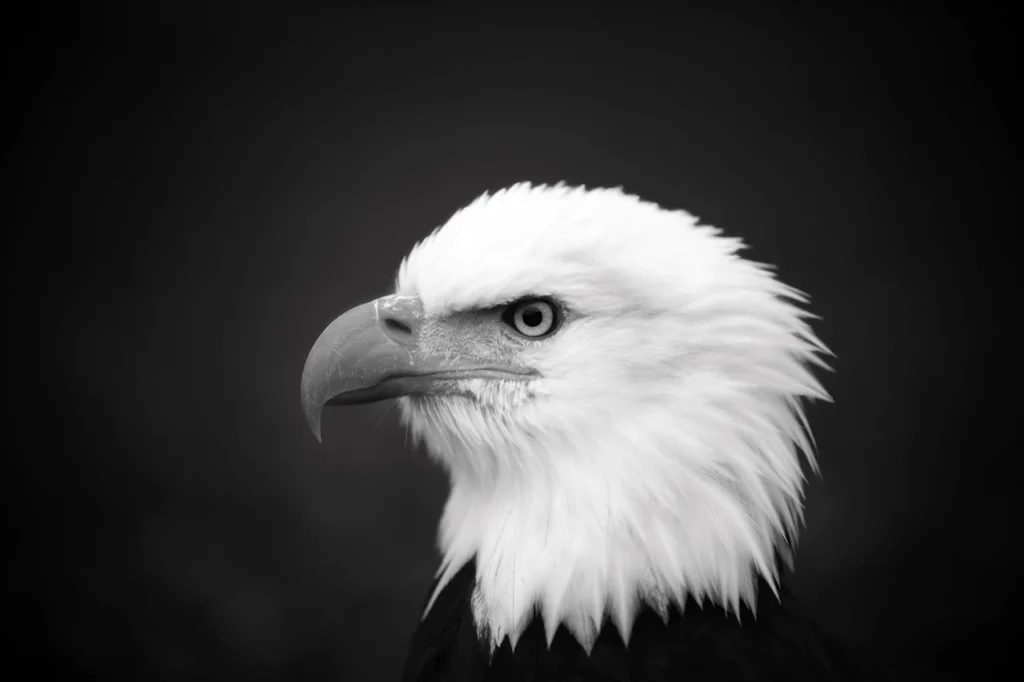
Here are the most incredible golden eagle facts that most people have never heard:
Fact 1 — The oldest recorded golden eagle lived in Utah and reached an age of at least 31 years and 8 months old making it one of the longest-lived birds of prey on record.
Fact 2 — Golden eagles spend an estimated 85% of their waking hours simply sitting on perches. Conserving energy between hunts is absolutely critical for apex predators who never know when their next meal will arrive.
Fact 3 — Among eagles golden eagles are particularly quiet birds whose voices are usually only heard while raising chicks. However when they do communicate they are known to produce at least nine distinct calls each with a different meaning.
Fact 4 — Although less agile in tight spaces the golden eagle is apparently the equal of or possibly superior to the peregrine falcon in stooping and gliding speeds — making it one of the two fastest living animals on Earth.
Fact 5 — Golden eagles have been used in falconry for centuries. In Kazakhstan the ancient tradition of hunting with golden eagles — known as berkutchi — is still practiced today and has been recognized by UNESCO as an Intangible Cultural Heritage of Humanity.
Fact 6 — A golden eagle’s grip strength is extraordinary. Their talons can exert a crushing force of around 440 pounds per square inch — strong enough to instantly crush the skull or spine of most prey animals.
Fact 7 — Golden eagles have a third eyelid called a nictitating membrane that sweeps across the eye to protect and clean it during high-speed dives without blocking their vision.
Fact 8 — In the wild golden eagles maintain home territories that can range from 35 to over 200 square miles depending on the availability of prey in their area.
Fact 9 — Golden eagle feathers were highly prized by many Native American tribes and were used in ceremonial headdresses and regalia. Today possessing these feathers without a permit is a federal crime in the United States.
Fact 10 — A group of golden eagles is called a convocation — though since golden eagles are largely solitary birds seeing more than two together outside of migration is extremely rare.
If these facts amazed you then you will love exploring more weird and amazing animal facts from across the natural world.
Conclusion
The golden eagle is not just a bird — it is one of nature’s most perfectly engineered predators. Capable of diving at 200 miles per hour, spotting prey from 2 miles away, hunting over 400 species, mating for life, and building nests that last for 45 years — the golden eagle is a creature that genuinely defies belief.
It has inspired kings and warriors, survived centuries of human persecution, adapted to environments ranging from the Arctic tundra to the Sahara Desert, and still soars across the skies of over 70 countries today.
The next time you look up at an open sky and see a large dark silhouette riding the thermals with its wings held in a graceful V-shape — know that you might be looking at one of the most powerful and extraordinary animals that has ever existed on this planet. Explore more incredible stories like this in our Animals section — where the natural world never stops surprising you.
Frequently Asked Questions

Q1: What is so special about the golden eagle?
The golden eagle is special because it combines extraordinary diving speed of nearly 200 mph with eyesight 4 to 8 times sharper than humans, a wingspan of up to 7 feet, and the ability to hunt over 400 different species. It is one of the two fastest animals on Earth and one of the most skilled predators alive.
Q2: Is the golden eagle the biggest eagle in the world?
No — the golden eagle is not the single biggest eagle but it is absolutely among the largest. It is the biggest eagle in North America. The wedge-tailed eagle of Australia can reach larger measurements but the golden eagle is widely considered the most powerful overall.
Q3: Does the golden eagle still exist today?
Yes — there are over 160,000 golden eagles worldwide and the species is classified as Least Concern globally. However regional populations face serious threats from human activity including habitat loss, electrocution, lead poisoning, and wind turbine collisions.
Q4: Who would win in a fight — a golden eagle or a bald eagle?
In terms of raw hunting power and speed the golden eagle wins clearly. It can dive at twice the speed of a bald eagle and is a far more active and aggressive predator. The bald eagle is more of a scavenger while the golden eagle actively hunts and kills its prey.
Q5: What is the number one killer of golden eagles?
Humans are the number one killer of golden eagles — responsible for over 70% of all recorded golden eagle deaths through vehicle and structure collisions, electrocution at power lines, lead poisoning, habitat destruction, and wind turbine strikes.
