

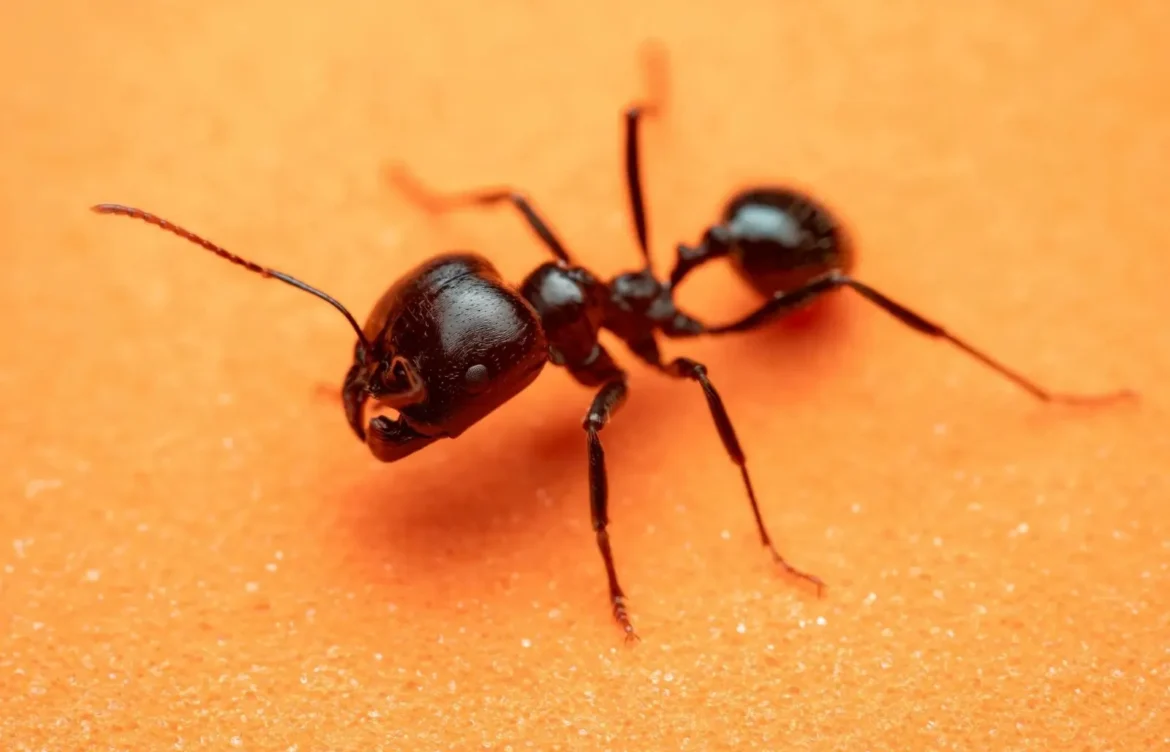
Do Ants Sleep? The Surprising Truth About How Ants Rest

Have you ever watched a trail of ants marching across your kitchen floor at midnight and thought — Do these tiny creatures ever stop? Like, do ants actually sleep? It sounds like a silly question at first. But if you’ve ever read about how strong ants really are or learned about how ants breathe and survive, you already know that ants are anything but ordinary. And yes — ants do sleep. But the way they sleep is so different from how you and I rest that it will genuinely surprise you.
How Do Ants Rest? Their Sleeping Habits Are Nothing Like Ours
When you sleep, you find a comfortable spot, close your eyes, and stay still for 6 to 8 hours straight. Ants do absolutely nothing like that. Instead of one long sleep, ants take hundreds of tiny power naps scattered throughout the day and night. Scientists discovered this by watching fire ants under a microscope for weeks — and what they found changed everything we thought we knew about insect sleep.
Worker ants take around 250 tiny naps every single day. Each nap lasts about one minute. That adds up to roughly 4 to 5 hours of rest per day — but broken into hundreds of small pieces spread across a full 24 hours.
So while you’re sleeping soundly at 2 AM, some ants in the colony are wide awake and working. And while you’re eating breakfast, some of those same ants are catching a quick nap. They never fully shut down as a group — and that is exactly the point.
Do Ants Sleep at Night or During the Day?
Here’s where ant sleeping habits get really interesting. Worker ants don’t follow your schedule. They have no bedtime. No alarm clock. Their sleep is completely scattered across the whole day and night cycle — and that’s by design.
This is called polyphasic sleep — sleeping in many short phases instead of one long stretch. Humans are monophasic sleepers, meaning we sleep once a day in one block. Ants are the complete opposite.
Because different ants in the colony sleep at different times, the colony itself never fully shuts down. There are always some ants awake — guarding the nest, carrying food, taking care of eggs. It works exactly like a hospital, where staff rotate in shifts so the building runs 24 hours a day. The hospital never closes, and neither does an ant colony.
This is also why, unlike bats that are often misunderstood as always active at night, ants have no preference for day or night at all.
Do Queen Ants Sleep Differently? Yes — And This Will Shock You
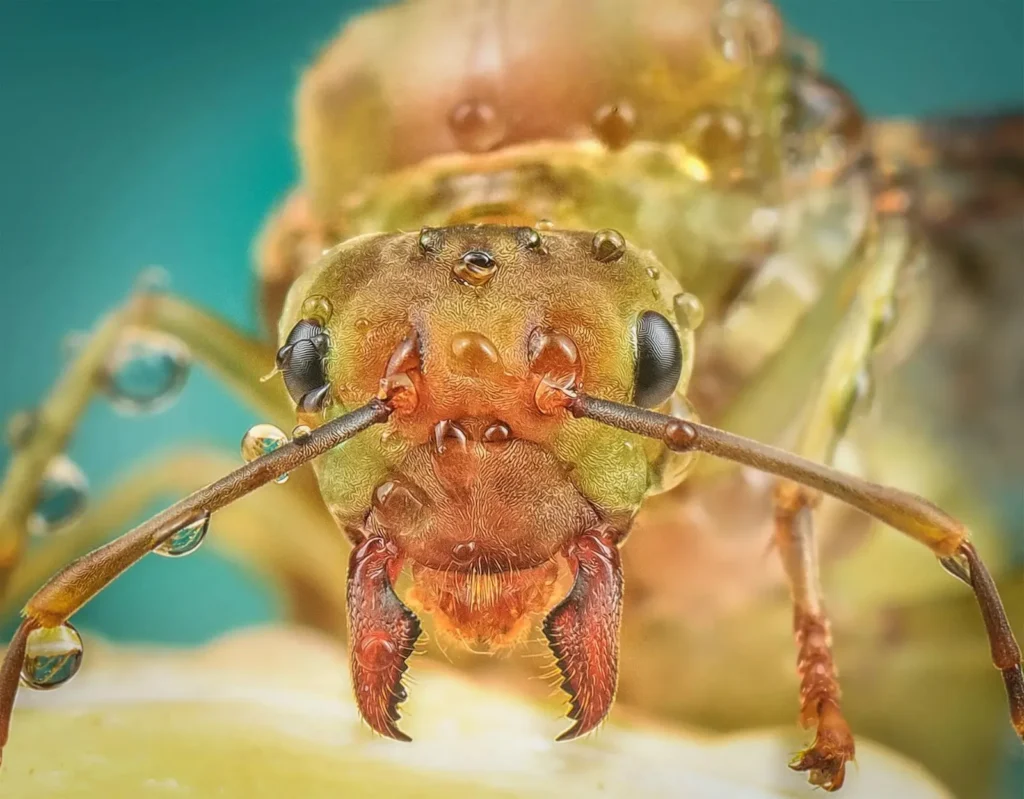
Queen ants sleep much more than worker ants — and this is one of the most surprising ant facts most people never hear about.
A queen ant can sleep for up to 9 hours a day, and her individual naps last up to 6 minutes at a stretch. Compare that to a worker ant’s one-minute naps, and it’s a massive difference.
Why does the queen get so much more rest? Because her job is completely different. Worker ants are constantly moving, foraging, and defending the nest. The queen’s one and only job is laying eggs — and that biological process burns enormous energy. More rest means more energy for reproduction, which means more ants, which means a stronger colony.
The whole colony is essentially built around protecting her and her rest time. She is irreplaceable.
What Does a Sleeping Ant Actually Look Like?
You’ve probably never caught an ant sleeping — and there’s a good reason for that. A sleeping ant looks almost exactly like an awake ant. No lying on its back, no curling up in a corner.
What actually happens is subtle. A sleeping ant will:
- Slow down its movements significantly
- Lower its antennae slightly
- Stay in one spot without reacting to small disturbances around it
That last point is the clearest sign scientists use. A sleeping ant takes a few extra seconds to react when gently disturbed. Researchers used this reaction-time test in their fire ant studies to confirm the ants were genuinely in a rest state — not just pausing for a moment.
Since ants have no eyelids, they physically cannot close their eyes. So even a sleeping ant appears to be staring right at you.
Do Ants Dream? Science Has a Fascinating Answer
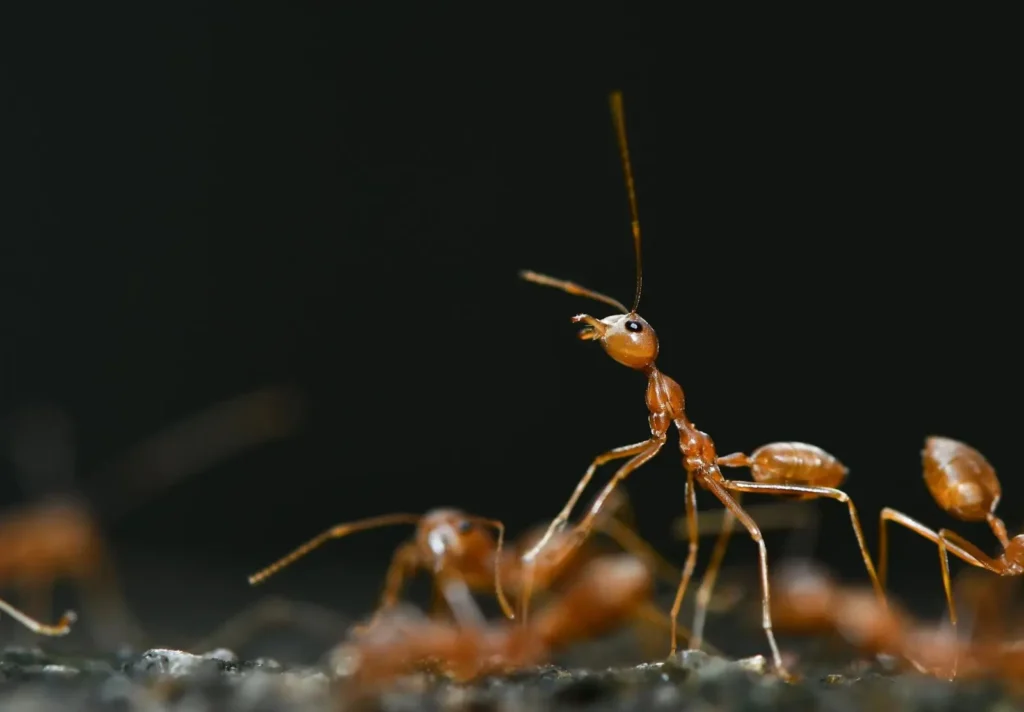
This is one of the most popular questions people ask — and the honest answer is we don’t fully know yet.
What we do know is that during sleep, some ants show rapid antenna movement — strikingly similar to how humans show Rapid Eye Movement (REM) during dreaming. In the fire ant study, scientists observed this antenna twitching during rest phases and found it genuinely intriguing.
Some researchers believe this could mean the ant’s brain is processing memories — perhaps replaying where food was found, or how to navigate back to the nest. It’s a bit like how your brain replays the day’s events while you dream.
But calling it “dreaming” the way humans experience it would be a stretch. What we can say with confidence is that ant sleep is far more complex than simply switching off. Something real is happening in that tiny brain during rest — and science is only beginning to understand it.
This kind of surprising hidden intelligence is actually common in nature. Just like the blue dragon sea slug that looks simple but hides remarkable survival abilities, ants are far more complex than they appear.
How Long Do Ants Sleep in Total? Here’s the Simple Breakdown
Let’s make this crystal clear:
- Worker ants — about 4 to 5 hours of rest per day, split into roughly 250 naps of about 1 minute each
- Queen ants — about 9 hours of rest per day, with longer naps of up to 6 minutes each
- Sleep timing — completely random, spread across both day and nioght with no fixed schedule
So ants actually rest less than humans overall — but their rest is never wasted in one long stretch. Every nap is a quick recharge, so they can get straight back to work.
Why Ant Colonies Never Stop Working — The Genius Behind Their Sleep System
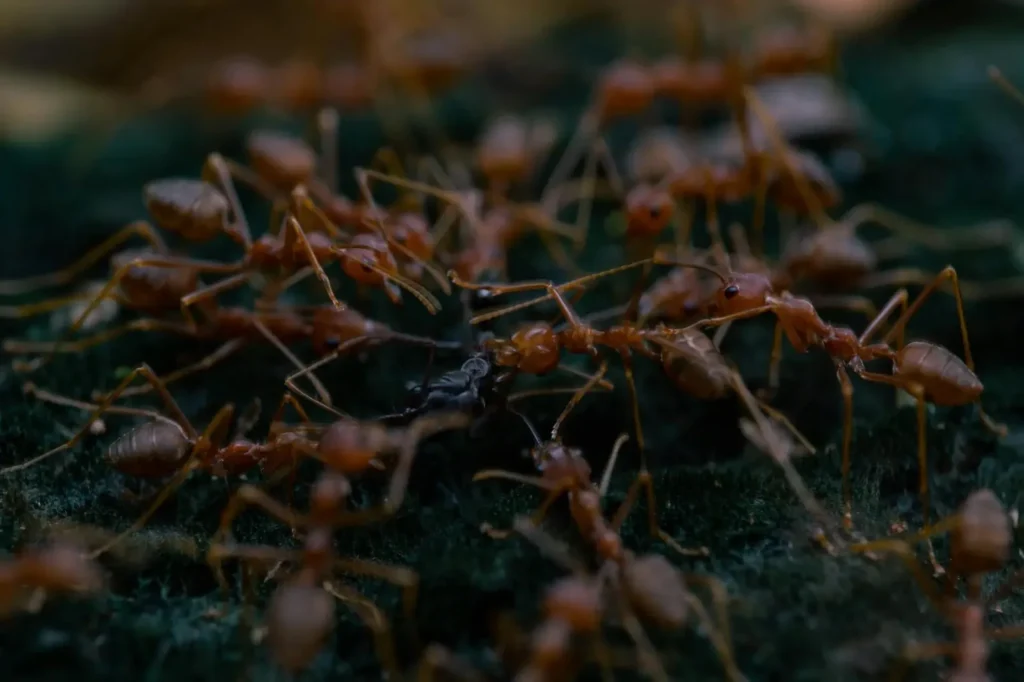
This is the real genius behind anti-sleeping patterns. Because no two ants sleep at exactly the same time, the colony operates like a living machine that never switches off.
Think about it like a 24-hour convenience store. The store never closes — but the individual staff members rotate and rest. No single worker is on duty forever, but the store is always open. Ants perfected this system millions of years before humans invented shift work.
This survival strategy is actually one of the reasons ants have outlasted almost everything on Earth. While massive creatures have gone extinct — and you can read about animals that went extinct in recent history to see how fragile life can be — ants have survived for over 100 million years. Their sleep system is a big part of why.
Weird and Amazing Ant Sleep Facts You Won’t Forget
Here are some quick facts worth remembering:
- A single ant nap lasts about as long as it takes you to brush your teeth
- Queen ants get nearly twice as much sleep as worker ants
- Ants have no eyelids — sleeping ants look exactly like awake ones
- The concept of a “bedtime” simply does not exist in the ant world
- Some ant species build dedicated rest chambers inside the nest specifically for napping
- A colony of 100,000 ants has thousands of ants sleeping at any given moment, and thousands more working.
FAQ’s About Do Ants Sleep?
Do ants sleep at night?
Not exclusively. Ants sleep in short naps scattered throughout both day and night. There is no fixed sleeping time — their rest happens around the clock.
How long do ants sleep each day?
Worker ants sleep around 4 to 5 hours per day, broken into roughly 250 one-minute naps. Queen ants sleep up to 9 hours a day with naps lasting up to 6 minutes.
Do ants have a bedtime?
No. Ants do not follow a day-night sleep schedule like humans. Their sleep is scattered randomly across all 24 hours.
Do queen ants sleep more than worker ants?
Yes. Queen ants sleep nearly twice as much as worker ants because egg-laying demands far more energy and recovery time.
Do ants dream?
Possibly. Scientists have observed rapid antenna movement during ant sleep that resembles REM activity in humans. It suggests some form of brain processing is happening, but it is not fully confirmed as dreaming.
Can ants survive without sleep?
Like most living creatures, consistent lack of rest would almost certainly affect their performance, coordination, and lifespan — though this hasn’t been fully studied yet.
Do all ant species sleep the same way?
Not exactly. Sleep patterns can vary slightly between species, but the basic pattern of many short naps spread across the day is common across most studied ant species.
Want more weird animal facts? Discover how ants breathe and survive underground and find out just how strong ants really are— the answers will blow your mind.