

Ants Don’t Have Lungs or How Do Ants Breathe, Survive Underwater and Hold Their Breath?
Most people are surprised when they learn that ants don’t have lungs. But Still they run fast, lift huge loads, survive floods and even stay underwater for hours. So how do ants breathe and can ants breathe underwater? Today we break it down in the simplest words possible backed by trusted science and easy enough for everyone to understand.
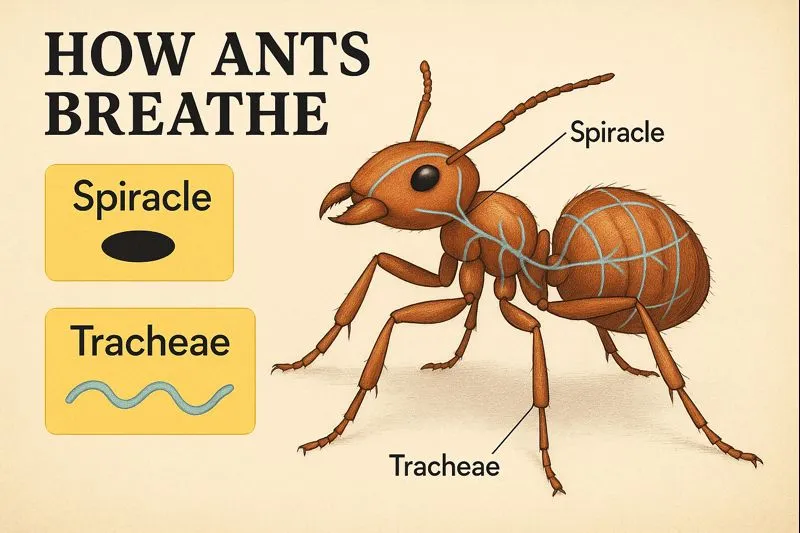
Ants don’t have lungs, but they breathe through tiny holes called spiracles that connect to thin air tubes called tracheae. They do breathe oxygen, but cannot breathe underwater. When underwater, ants shut their spiracles and enter a low-energy mode, allowing them to survive for 8–24 hours. They can hold their breath for many hours and their breathing adjusts depending on danger, speed or work.
Table of Contents
1. Ants Don’t Have Lungs — Why Their Bodies Don’t Need Them
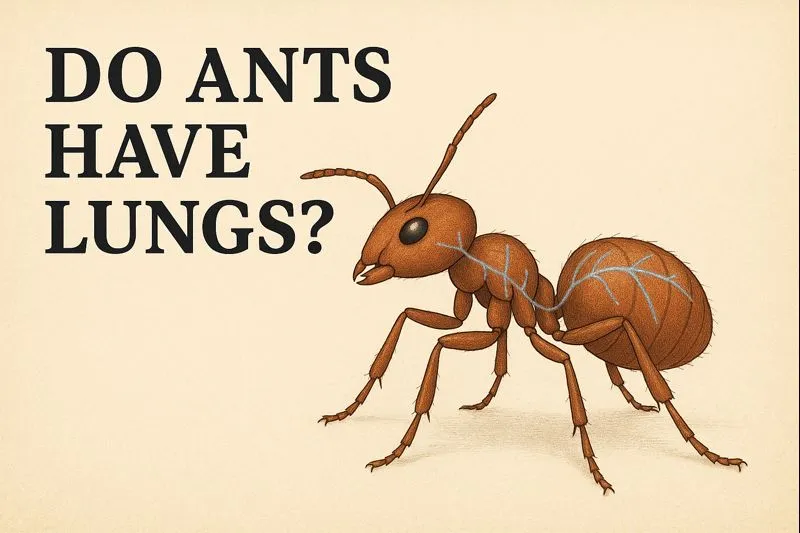
Ants are extremely small and their bodies don’t have enough space for big organs like human lungs. Instead, nature designed a lighter more efficient system that fits their size perfectly. Their cells receive oxygen directly through tiny air tubes, so lungs would only slow them down. Scientists have confirmed for many years that insects use simple diffusion instead of lung pumping and ants are one of the best examples of this system working well. Their small size is the main reason they never evolved lungs in the first place.
2. How Do Ants Breathe Without Lungs?
Ants breathe through spiracles, which are tiny openings along the sides of their bodies. These spiracles open to let air in and close to keep water, dust and predators out. Inside the body spiracles connect to a web of air tubes called tracheae, which deliver oxygen directly to the tissues. Because oxygen travels such a short distance in ants, they do not need a pumping organ like a lung. This is a trusted scientific fact found in insect physiology research around the world.
3. Do Ants Breathe Air and Oxygen?
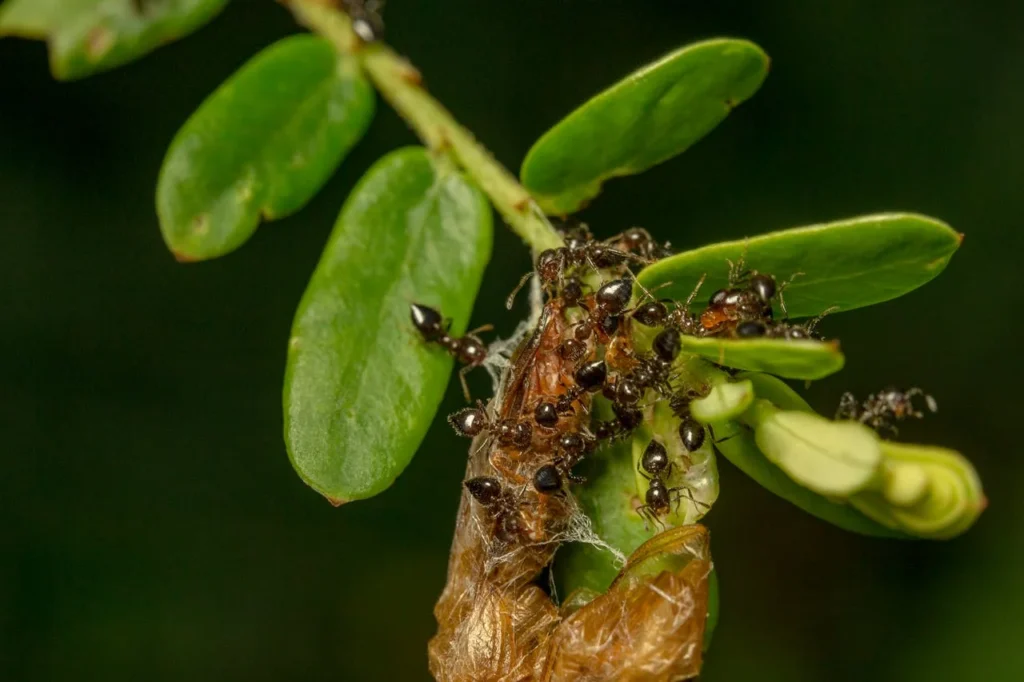
Yes, ants breathe air and the oxygen in that keeps them alive. Even though they don’t have lungs, their spiracles and tracheae allow oxygen to reach every part of the body. When oxygen levels are low, such as inside deep soil or crowded nests, ants naturally slow down their activity to match the available air. Scientists studying insect metabolism have repeatedly shown that ants adjust breathing based on temperature, oxygen levels and activity.
4. Why Humans Need Lungs but Ants Don’t

Human bodies are large and oxygen must travel far inside us. That’s why we need lungs to suck in air, expand it and spread oxygen through blood. But ants are tiny, so oxygen only needs to move a short distance to reach their cells. Because of this, spiracles and tracheae work faster and more efficiently for them than lungs ever could. This is why scientists agree that insects evolved without lungs. Their size makes direct oxygen delivery the best system for them.
5. Can Ants Breathe Underwater?
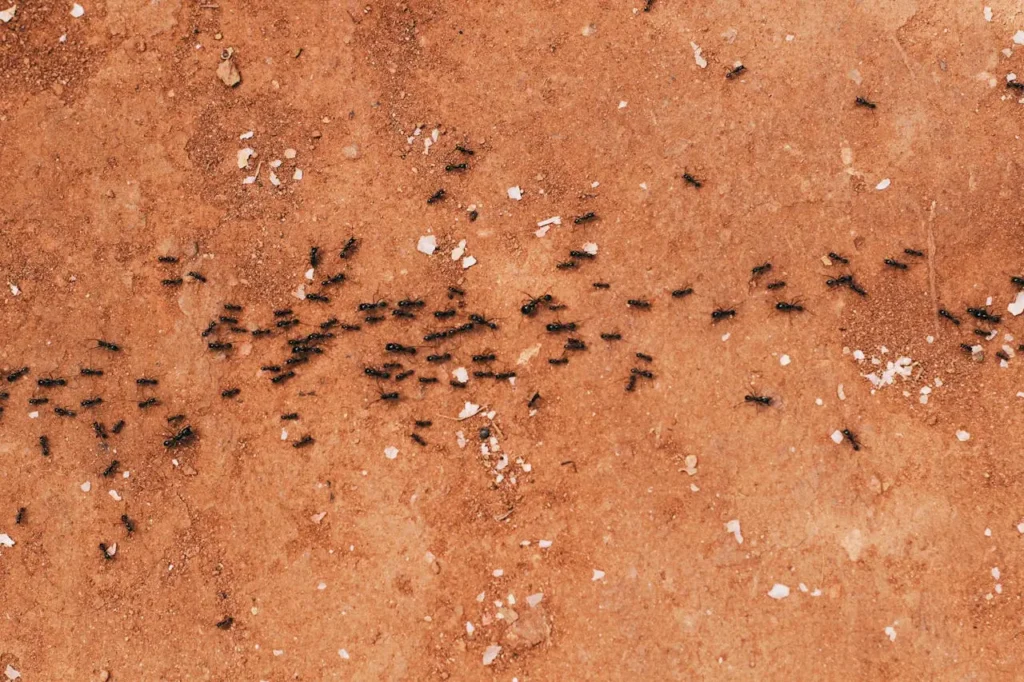
Ants cannot breathe underwater, because water blocks their spiracles and prevents air from entering. But instead of drowning instantly, ants quickly shut their spiracles to stop water from getting inside. Once sealed their bodies switch to a low-oxygen mode that helps them survive longer. Many field researchers have observed ants floating, clinging to surfaces or forming group rafts during floods a behavior that shows how well-adapted they are to water challenges.
6. How Long Can Ants Live Underwater?
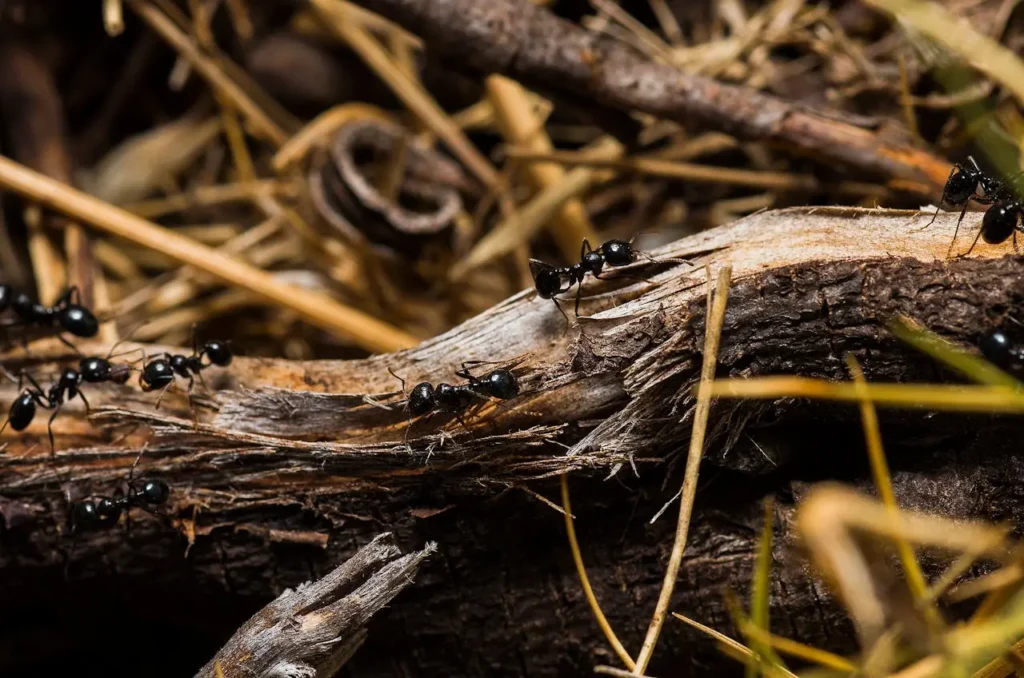
Most ants can live 8 to 24 hours underwater, depending on the species and temperature. Colder water slows their body processes and helps them survive longer. Warmer water increases oxygen use and reduces survival time. The reason ants last so long underwater is that their bodies are designed to use very little oxygen when spiracles are closed. Scientists who study insect respiration have shown that ants enter a “low-energy state” to save oxygen during floods.
7. How Long Can Ants Hold Their Breath?
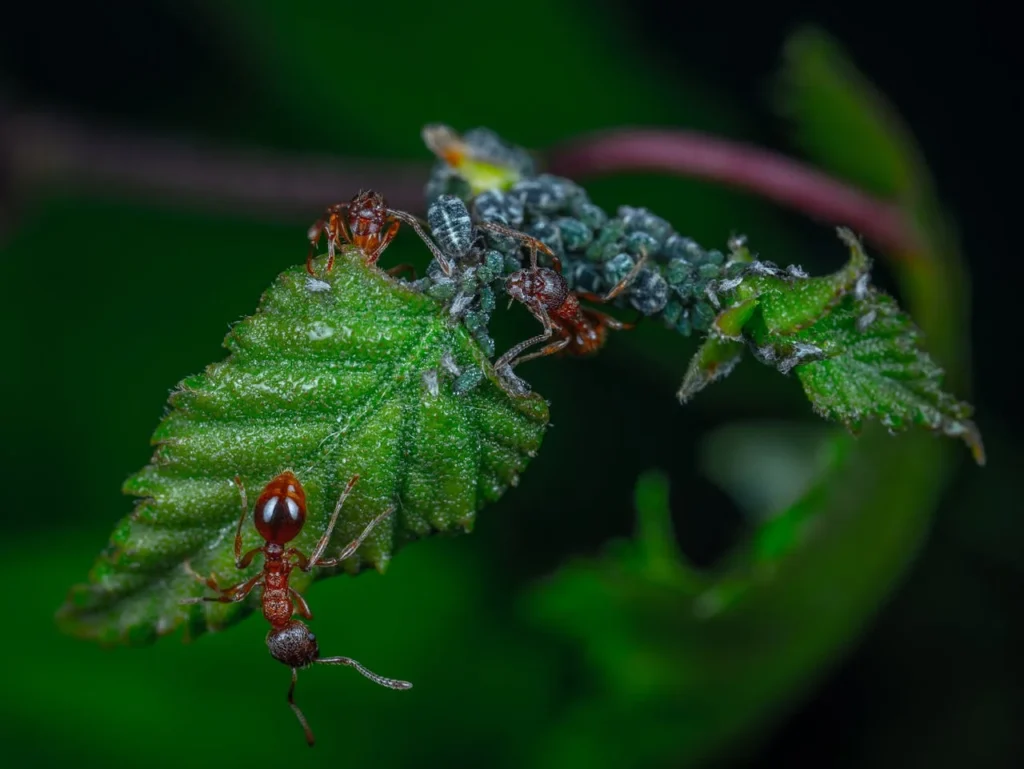
Ants can hold their breath for 4 to 12 hours, sometimes longer. This is much more than humans can do because ants breathe passively and they don’t need to inhale or exhale. When spiracles close, oxygen inside the tracheae stays trapped and is used very slowly. Some ant species that live in flood-prone areas can survive even longer because evolution has strengthened their ability to shut spiracles tightly.
8. How Running, Danger and Work Affect Ant Breathing
Ant breathing is flexible even without lungs.
- When running ants open spiracles wider to allow faster oxygen movement.
- During danger ants breathe quicker to power their muscles for biting, lifting or escaping.
- Inside tunnels where oxygen is low ants move slowly and breathe minimally to save energy.
- While carrying heavy loads tracheae supply more oxygen to the muscles automatically.
Scientists studying insect activity have found that spiracle control is one of the biggest reasons ants are able to perform such strong physical tasks.
9. Why Ant Breathing Is One of Nature’s Smartest Designs
Ants use a system that is:
- Lightweight (no heavy lungs)
- Energy-saving (breathing happens without effort)
- Survival-focused (spiracles shut during danger)
- Efficient (oxygen goes directly to the cells)
This breathing method allows ants to work all day, survive underground, and stay alive even when trapped underwater. Their survival success proves that simple designs can be extremely powerful.
Conclusion
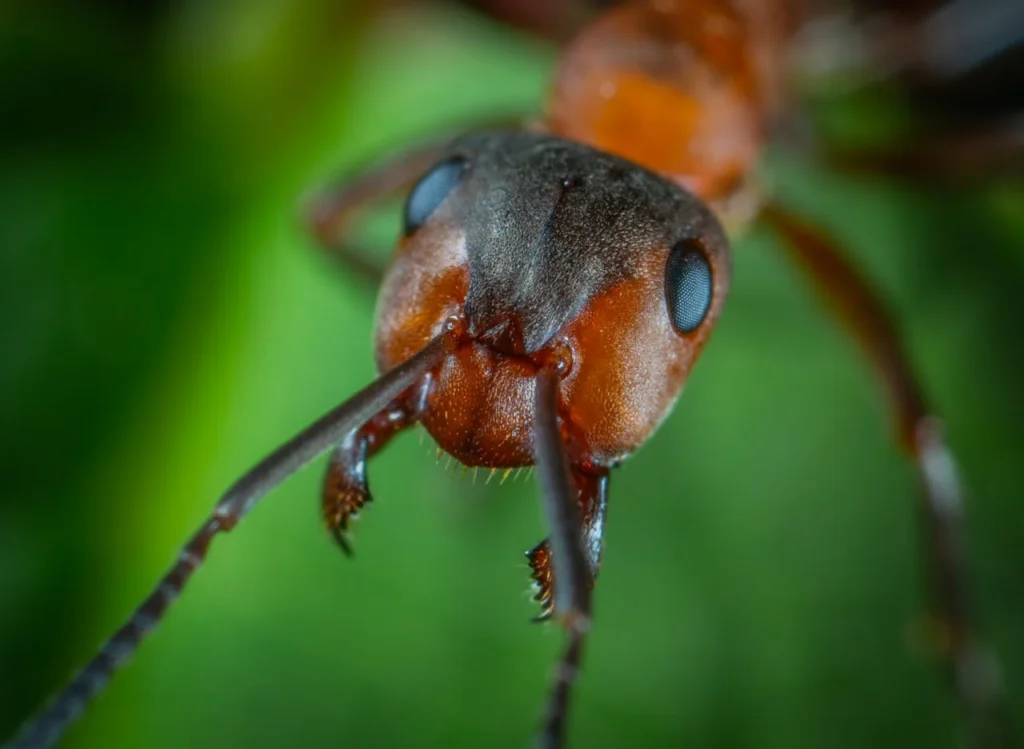
Ants may not have lungs but they have one of the most effective breathing systems on Earth. By using spiracles and tracheae they breathe oxygen and control airflow, survive long periods without fresh air and even protect themselves during floods. They can’t breathe underwater but they can shut their spiracles and live underwater for many hours, a unique ability supported by trusted biology research.
Small size, simple design, and smart survival that is the miracle of the ant.
Quick FAQs About Can Ants Breathe
Do ants have lungs?
No ants don’t have lungs. They breathe through spiracles that pull air into a network of tracheae.
How do ants breathe without lungs?
Ants breathe by absorbing oxygen through tiny spiracles connected to air tubes instead of using lungs.
How long can an ant survive underwater?
Most ants survive 8–24 hours underwater by closing their spiracles to slow oxygen loss.
Can ants breathe underwater?
No ants cannot breathe underwater because their spiracles cannot take in oxygen while submerged.
How long can ants hold their breath?
Ants can hold their breath for about 4 to 12 hours depending on species and also environment.
