

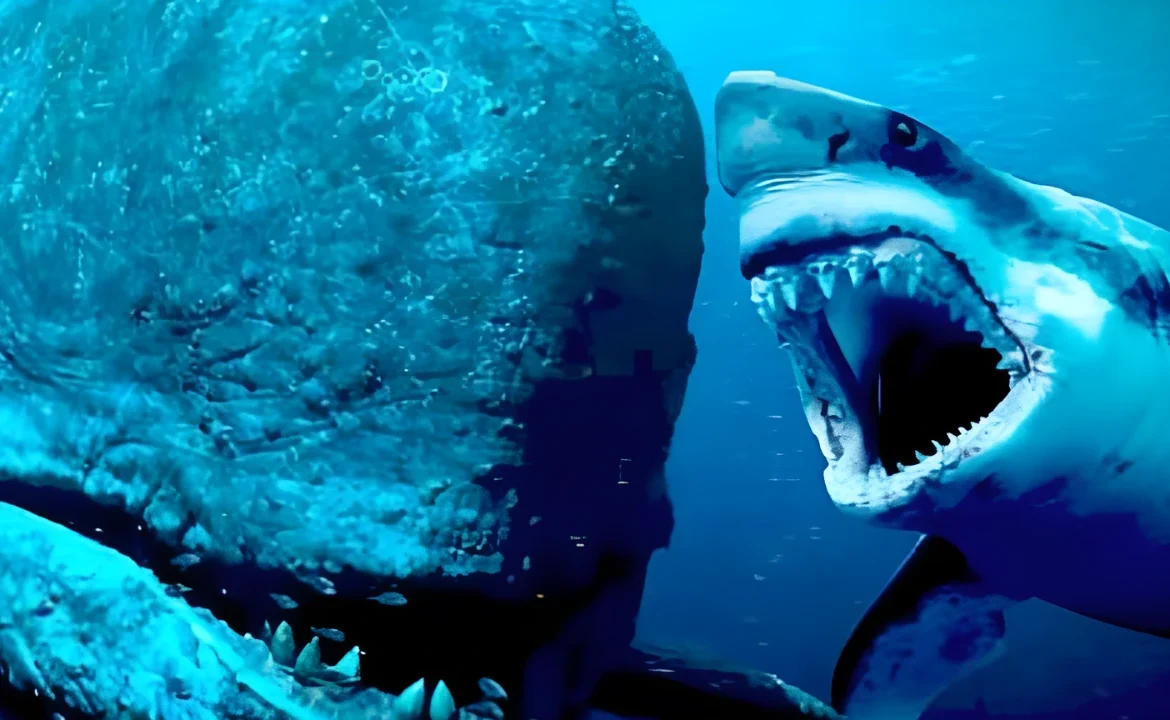
Do Sharks Have Bones or Lungs? The Shocking Reason Why Nothing Has Killed Them Except Humans
When the land of Earth was nothing but rocks with no grass, no trees, no forests, and no animals. Life existed only in the oceans.
Sharks are the ultimate survivors The Rise of Fishes by ruling the seas for 450 million years proven by fossil shark scales and tooth fragments found in ancient rocks (Michael J. Benton, 2015, Vertebrate Palaeontology) appearing long before trees or dinosaurs around 240 million years ago (P. Sereno, 1999, The Evolution of Dinosaurs and the Birds that are 150 million years old also the poisonous birds .
The answer to do sharks have bones? is No; they rely on a flexible cartilage skeleton. Cartilage (the firm, flexible tissue you feel in the rim of the human ear and the bridge of the nose) not bone. Likewise, do sharks have lungs? The answer is No; they breathe using highly efficient gills, pulling oxygen directly from the water. This unique, lung-free anatomy ensures their speed and efficiency.
As apex predators, sharks are unmatched, utilizing powerful senses, including the ability to feel the heartbeats of hidden prey. They survived every mass extinction and functioned as essential “ocean cleaners.” By removing sick and dead animals, they maintain ecological balance and keep the seas healthy. Sharks Evolution rule because their simple design is the most effective just like bat myths often make people misunderstand these helpful animals.
Table of Contents
The World Before Trees | The Story of Shark Evolution
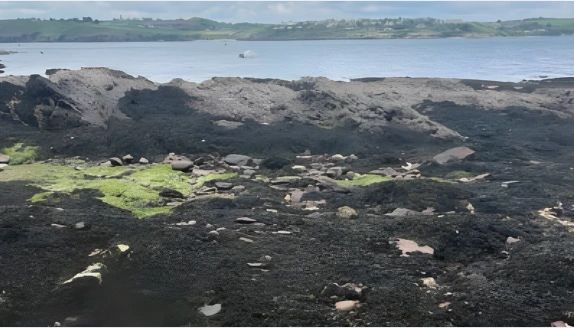
450 million years ago, the Earth looked completely different. This period marks the start of the incredible shark evolution timeline. There were no forests at all. No tall plants. No wood. No flowers. Life on land was microscopic, tiny organisms hiding inside moisture or on wet stone.
The atmosphere did not support rich land ecosystems. Plants had not yet evolved vascular structures to grow large. This era is known as the Late Ordovician and Early Silurian periods. The first real trees appear around 360 million years ago,when forests began spreading across land by (C. Kevin Boyce, 2005).
At this time, all visible life existed underwater because the oceans offered stability:
- Constant nutrients,
- Stable temperature,
- Protection from radiation,
- Chemicals for respiration.
Land was a barren and Only shallow beds of algae along the coasts. This is the origin point of the shark’s incredible ancient design.
The first forests came much later around 360 million years ago, during the Devonian era (Age of Fishes). Trees appeared almost 65 million years after sharks had already begun their rule by (P.Sereno,1999). So remember this shark timeline clearly:
Sharks → then trees → then dinosaurs. Not the other way around. Sharks came first.
Surviving Every Disaster: Why Sharks Outlived Dinosaurs
Earth has faced many disasters: global ice ages, volcanic winters, oxygen drops, and asteroid impacts. Dinosaurs ruled land about 230-240 million years ago. But when the asteroid hit about 66 million years ago they vanished. But Sharks did not.
They survived every major global collapse after: the Late Devonian extinction, the Permian extinction, and the Cretaceous extinction. Why? Because the ocean is vast and sharks are optimized: flexible skeleton, endless teeth, unmatched senses, efficient energy use and a simple design. You do not need to be pretty. You only need to be effective.
How the First Sharks Looked | The Sharks Evolution
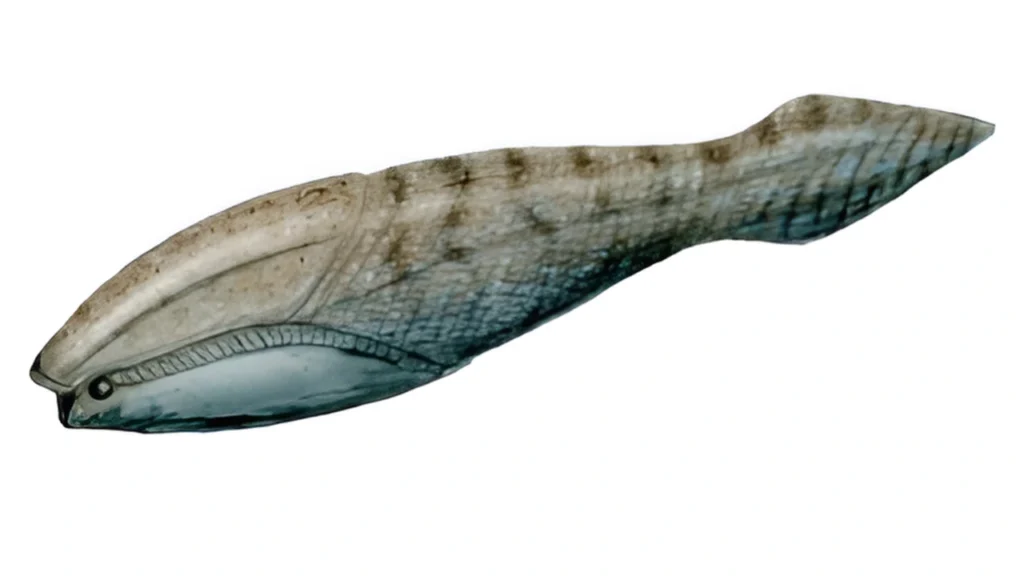
The first sharks were not exactly like the current sharks we see today, but they carried the same biological blueprint that defines the entire shark family even now:
- Skeleton of cartilage.
- Gills to breathe water.
- A body designed purely for hunting.
People often ask: do sharks have bones? This confuses many, especially since sharks are not empty or truly boneless fish. The sentence is not fully correct, but the answer is definitively No. Their internal framework, the shark skeleton, is made of cartilage, not true bone tissue.
Its skeleton bends like a bow. Its skin is covered with tiny hard scales called dermal denticles, Miniature teeth on the outside. These reduce drag, channel water and make the shark faster, quieter and more fuel-efficient (Rasche, 2014, Dermal Denticle Hydrodynamics in Sharks).
Myth to break right here: A shark is not “male by default.” Sharks have males and females and their life stories depend on both. For authenticity: search “Do sharks have male and female sexes Smithsonian Ocean”.
Why the Cartilage Skeleton Makes a Shark Faster and Quieter
The cartilage skeleton gave these ancient hunters a massive, lasting advantage over fish with heavier bone structures. It is a fundamental part of the sharks Evolution’s perfect design:
| Cartilage Advantage | Result |
| Lighter than bone | Helps the shark float and conserves energy. |
| More flexible | Allows for instant turns and twists while hunting. |
| Harder to break underwater | Increases resistance to impact force. |
| Easier to repair | Facilitates faster growth and recovery. |
A bony fish sinks if it slows down. The cartilage skeleton lets a shark float, turn, twist and accelerate instantly. This simple biological design made sharks faster, quieter, harder to wound, and unstoppable hunters a design that remains unchanged 450 million years later. There are more than 500 species of sharks from hammerheads to reef whitetips to blue sharks ranging the open ocean.
Names differ; the skeleton is the same story: cartilage, not bone. ( How many shark species are there by Smithsonian Ocean / IUCN ) And that long family history? Teeth and spines from ancient seas tell it. Paleontologists like AMNH’s John G. Maisey have used those fossils to chart which lines flourished in the Devonian, which survived mass extinctions, and how modern forms arose. For authenticity: search “AMNH John G. Maisey early shark fossils Devonian”.
How Sharks Use Gills to Breathe
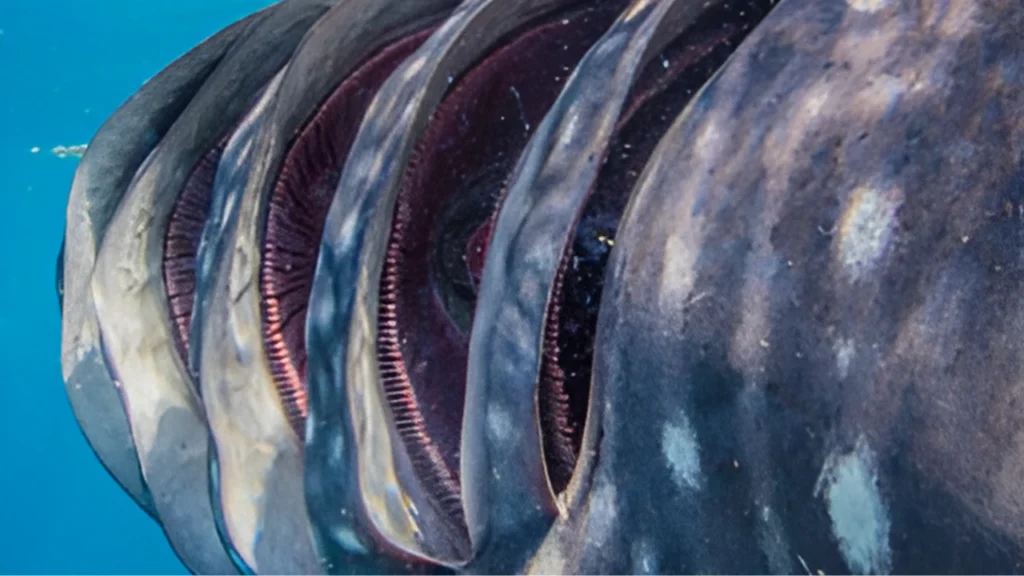
Humans breathe through their lungs. We pull oxygen from the air. If you breathe water, you die. Sharks are the opposite, which leads to the question: Do sharks have lungs? Absolutely not. They pull oxygen directly from water using a highly efficient system of gills.
This is how sharks breathe: Sea water passes over thin filaments called gill lamellae. Oxygen transfers into the blood, and carbon dioxide exits outward. This system is more efficient than lungs in a dense environment. A shark does not need to surface. It does not gasp for air. It swims and breathes at the same time.
Ram Ventilation: Why Some Sharks Must Keep Swimming to Breathe
However, this perfection has one important detail for many active species. Many large, fast sharks must keep moving forward to force water over their shark gills (a process called ram ventilation).
If such a shark is trapped in a net or forced to stop swimming, the oxygen flow stops, and it suffocates. The hunter of the ocean can drown.
However, many bottom-dwelling sharks can actively pump water over their gills while resting. This small detail is the brutal balance of nature.
Shark Senses: How They Smell Blood and Feel Heartbeats
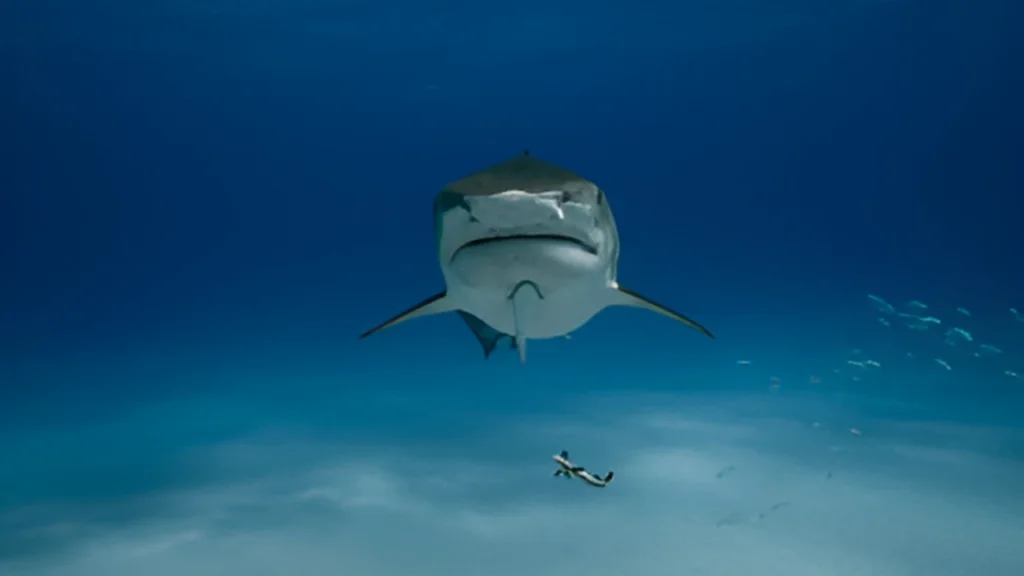
This section explores the true power behind the shark’s reputation and its unmatched shark senses.
People exaggerate: “One drop of blood can be smelled from miles.” This is not accurate. Real science is far more impressive.
Sharks have massive olfactory bulbs parts of the brain used only for smell. They can detect tiny chemical traces in water, especially iron-rich hemoglobin, which comes from blood. They follow the gradient, meaning they trace the increasing direction of the chemical signal until they reach its source. This is not magic; it is pure biology.
But sharks have another ability most humans never learn: They can feel electricity.
Ampullae of Lorenzini: Feeling the Heartbeat of Prey
Inside their snout are tiny jelly-filled pores called Ampullae of Lorenzini. These electrosensory organs detect:
- Heartbeats of prey,
- Weak muscle currents,
- Hidden fish buried in sand,
- Even dying animals are floating slowly.
A shark does not need to see you. It does not need taste. It simply feels your heartbeat. That is why many fish freeze when a shark passes—their silence is survival against an unseen, electric threat.
30,000 Teeth: The Conveyor Belt System That Never Ends
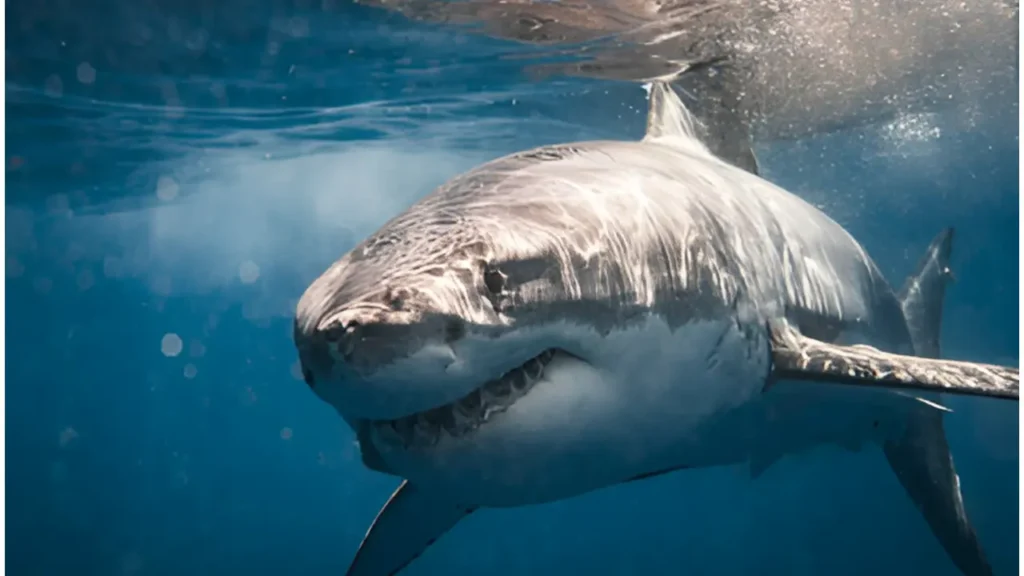
Every human has 32 teeth. If you lose them, they do not return, but their teeth are endless. A shark does not lose its bite. When a tooth breaks another moves forward. Thousands of spares wait behind like arrows waiting in a quiver. This simple design makes sharks permanent hunters. No dentist, No bones. Just teeth and motion. A shark, by contrast, may grow 20,000 to 30,000 teeth in its lifetime. Sharks appeared in the oceans 450 million years ago, confirmed by early fossil teeth and fin spines found by paleontologist Michael Coates at the University of Chicago (Coates & Finarelli, 2010).
All sharks have rows of replacement shark teeth, arranged like a conveyor belt. When a tooth breaks, tears, or falls a new one moves forward instantly.
No dentist. No bone surgery. Just evolution. This constant renewal is why fossilized shark teeth are found everywhere they fall, sink and remain preserved. The ocean has changed but the unstoppable replacement of shark teeth never stopped.
The Ocean’s King: Why Sharks Have No Enemies
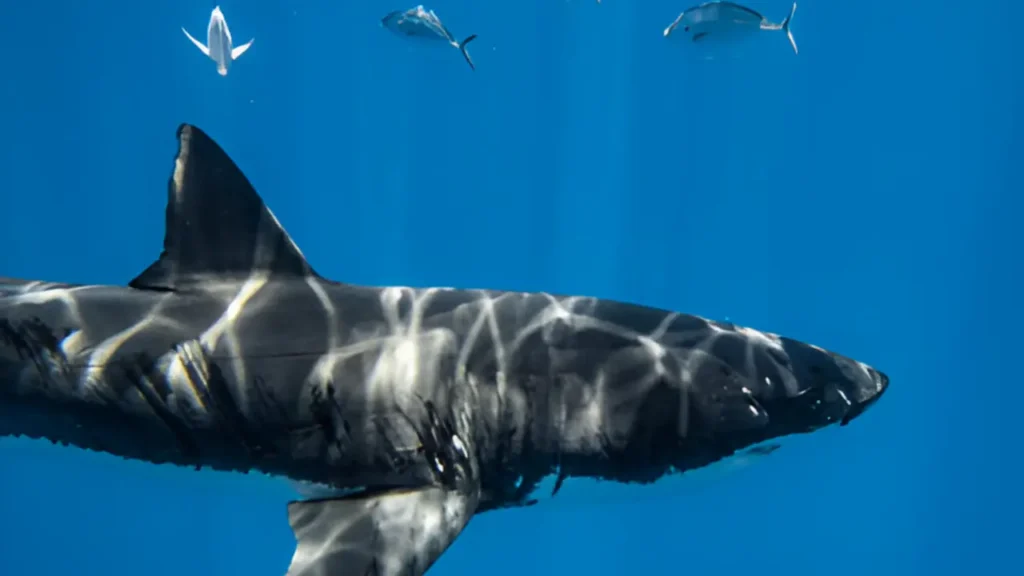
Humans often use the term apex predator. Scientific words sometimes confuse people, but we can explain it simply: An apex predator is a hunter that hunts others, but no animals hunt it. That is a shark.
From tuna to seals, from rays to sick whales, sharks occupy the top of the food pyramid. In nature, they are unrivaled.
The Brutal Truth: Why Sharks Fear Humans, Not Nature
Only one creature hunts sharks: Humans. We cut fins. We pollute the oceans. We place nets. We kill without purpose. This reality is the brutal truth of shark conservation today. Sharks do not fear nature. They fear us.
Ocean Cleaners: Why Sharks Are Essential for Ocean Health
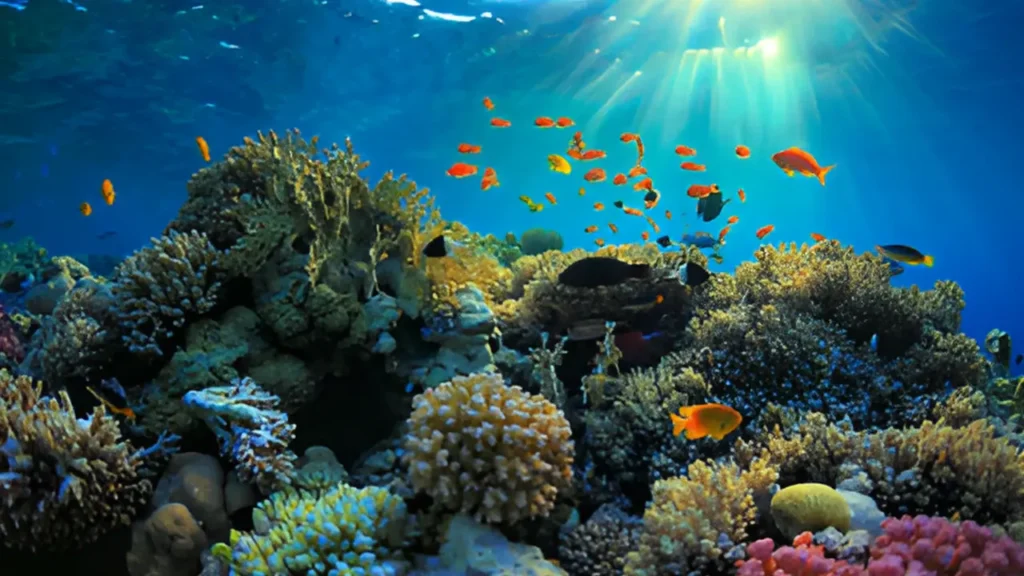
This part is very important. Sharks do not only kill the strong; they also maintain ecosystem balance by feeding on:
- Dead fish
- Dying fish
- Sick fish
- Weak animals
You might think this is cruel. But this is how the ocean stays healthy. Without sharks:
- Diseases spread
- Infected fish multiply
- Entire coral systems collapse
- Dead bodies rot and poison water
Nature cannot hire garbage trucks. It hires sharks. That is why marine biology experts call sharks “Ocean cleaners.” They ensure the survival of the ocean itself.
Mass Extinctions: The 450 Million Years Story of Shark Survival
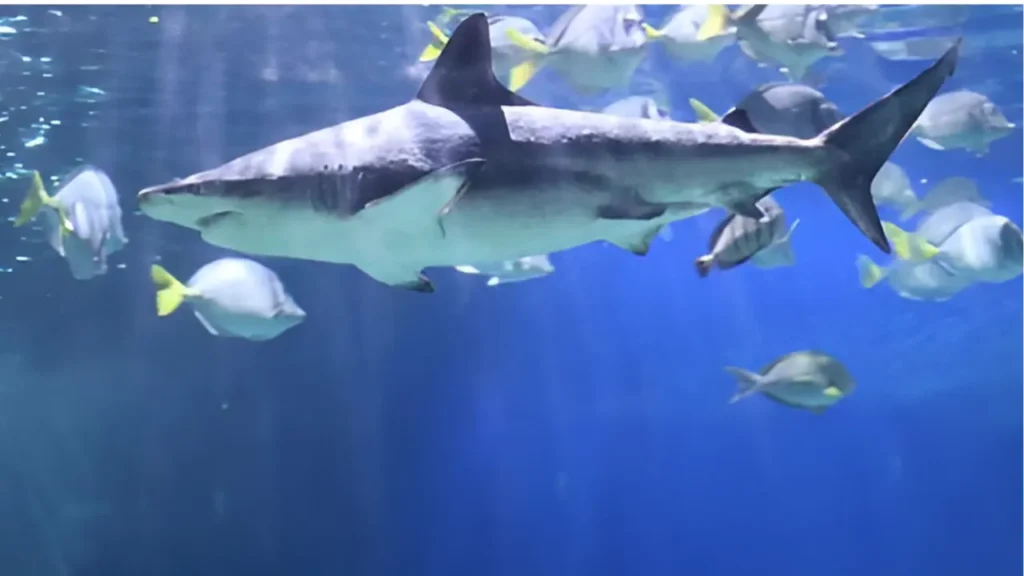
Earth has faced many disasters: Sharks survived five mass extinctions that erased more than 90% of life in the oceans, Volcanoes tore the planet apart, Water boiled with ash, and Species vanished like smoke. But sharks endured. They changed shape, size, speed, and teeth, but they never surrendered. Dinosaurs ruled the land. But when the asteroid hit 66 million years ago, they vanished. Sharks did not. Their shark survival record is unmatched. They survived:
- The Ordovician-Silurian extinction (around 445 million years ago).
- The Late Devonian extinction (around 372 million years ago).
- The Permian extinction, or “Great Dying” (around 252 million years ago).
- The Triassic-Jurassic extinction (around 201 million years ago).
- The Cretaceous-Paleogene extinction (around 66 million years ago).
Why did they survive these massive extinction events? Because the ocean is vast, and sharks achieved biological optimization:
- Flexible skeleton
- Endless teeth
- Unmatched senses
- Efficient energy use
- Simple design
You do not need to be pretty. You only need to be effective.
450 Million Years Without Surrender | The Shark’s Dominance

Many people think “biggest animal = strongest.” But in nature, this is foolish. The whale is bigger. The crocodile is thicker. The tuna is faster. Yet none of them rule. Sharks rule. Not because of size. But because of the design.
Their body is a weapon. Their instincts are perfect. Their mind wastes no energy. Their senses are layers upon layers of calculation. This shark dominance is a testament to their perfect design.
A shark may not think like a philosopher. But it never hesitates. And that is why it has lasted 450 million years without surrender.
Conclusion: Guardians of the Ocean

We fear sharks because of movies. But the truth is deeper and cleaner:
The ocean is alive because sharks are inside it. They do not seek your attention. They do not want your praise. They only follow the design nature gave them, a design so strong that it still works after 450 million years.
Sharks are not monsters. They are the ocean’s guardians. And yes…
They have no bones. They have no lungs. Yet they still rule.
FAQs About Sharks
Do sharks have bones?
No. Sharks have cartilage skeletons the same material as our nose and ear. Cartilage is flexible, light, and strong.
Do sharks have lungs?
No. They use gills to take oxygen directly from water.
How long have sharks ruled the seas?
About 450 million years ago, before trees or dinosaurs.
Are sharks older than trees?
Yes. Trees appeared about 360 million years ago, nearly 90 million years after sharks.
What is the average life span of sharks?
Most sharks live 20–30 years, but some species, like the Greenland shark, can reach 300–500 years.
Do sharks have any predators?
Almost none except humans. They kill sharks in large numbers.
Are sharks dangerous to humans?
Rarely. Most species avoid humans. Humans kill 70–100 million sharks per year, while sharks kill only a few worldwide.
How do sharks keep the ocean healthy?
They eat weak, sick, and dead animals. This prevents disease and keeps fish populations balanced.
Can sharks smell blood?
Yes. They can detect a single drop of blood mixed into huge volumes of seawater.
Can sharks sense heartbeats?
Yes. They sense electrical signals created by living animals, even hidden or buried.
Why are sharks important for the planet?
Without sharks, ocean life collapses. Reefs die. Fish disappear. Disease spreads. Sharks maintain balance.
