

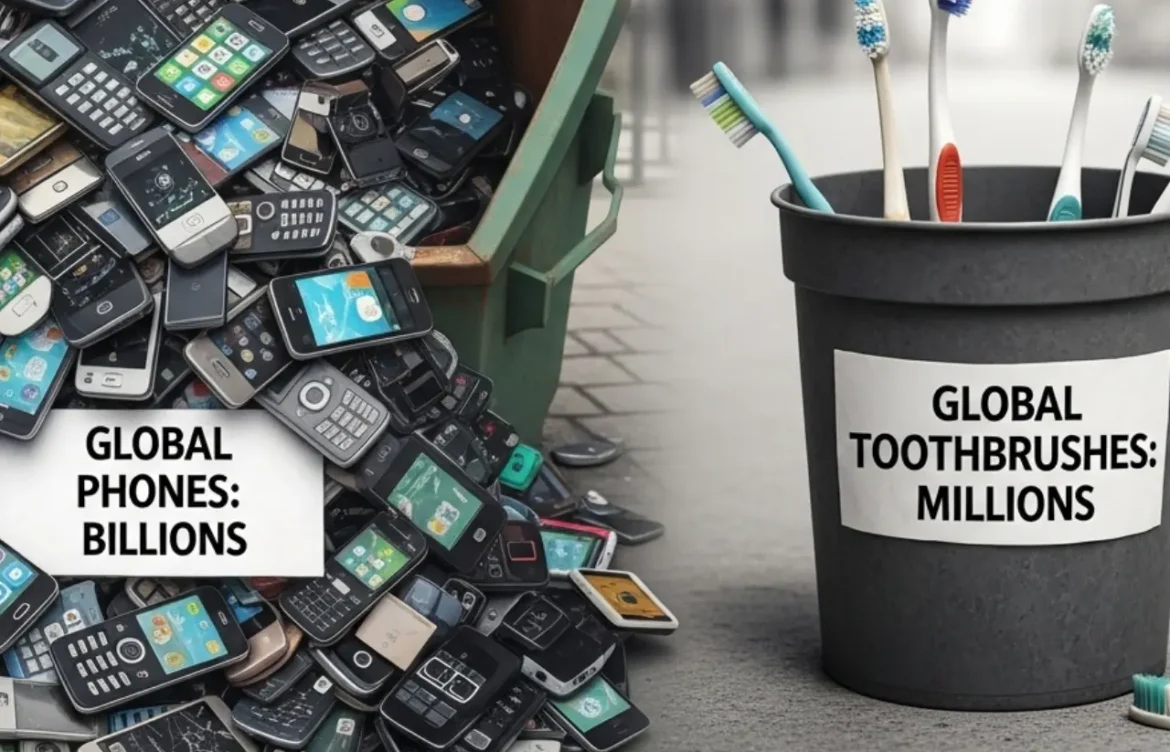
Mobile Phones vs Toothbrushes: Why Phones Outnumber Brushes Globally
There are now more mobile phones than toothbrushes in the world. Let that sink in for a moment. We’ve reached a point in human history where people are more likely to own a device for communication than a basic tool for personal hygiene. This startling reality reveals profound truths about our priorities, global connectivity, and the unprecedented reach of mobile technology.
In this article, we’ll explore the numbers behind mobile phones vs toothbrushes, examine what it means for global development, and uncover why mobile phones have become more essential than one of humanity’s most fundamental health tools.
Table of Contents
Mobile Phones vs Toothbrushes: The Shocking Numbers
According to recent industry data, there are approximately 8.6 billion mobile phone subscriptions worldwide, serving a global population of roughly 8 billion people. Meanwhile, estimates suggest only about 4 to 5 billion toothbrushes are in active use globally. That means mobile phone subscriptions outnumber toothbrushes by nearly 2 to 1.
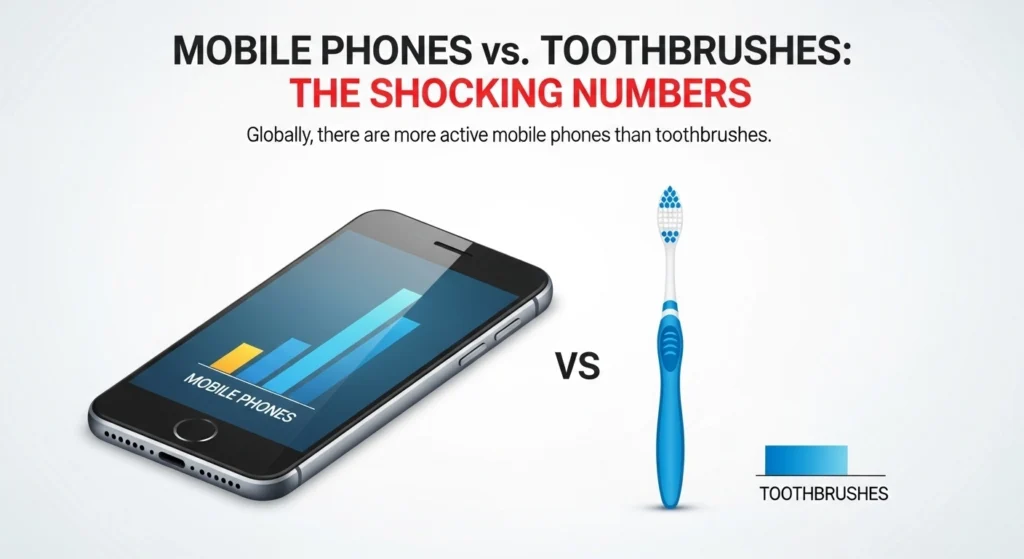
The World Health Organization reports that billions of people worldwide lack access to basic dental hygiene products, yet mobile phone penetration has reached unprecedented levels even in developing regions. In countries like Kenya and Bangladesh, mobile phone ownership rates exceed 80%, while toothbrush access remains significantly lower in rural and impoverished areas.
This mobile phones vs toothbrushes disparity isn’t just about consumer preferences. It reflects economic realities, infrastructure development, and shifting global priorities in the digital age.
Why Mobile Phones Win the Numbers Game
Accessibility and Affordability
Mobile phones have become remarkably affordable over the past two decades. In our experience working with emerging markets, we’ve seen smartphones available for as little as $20 to $30 in regions like Southeast Asia and Sub-Saharan Africa. Chinese manufacturers like Xiaomi, Tecno, and Infinix have flooded developing markets with budget devices that make mobile connectivity accessible to nearly everyone.
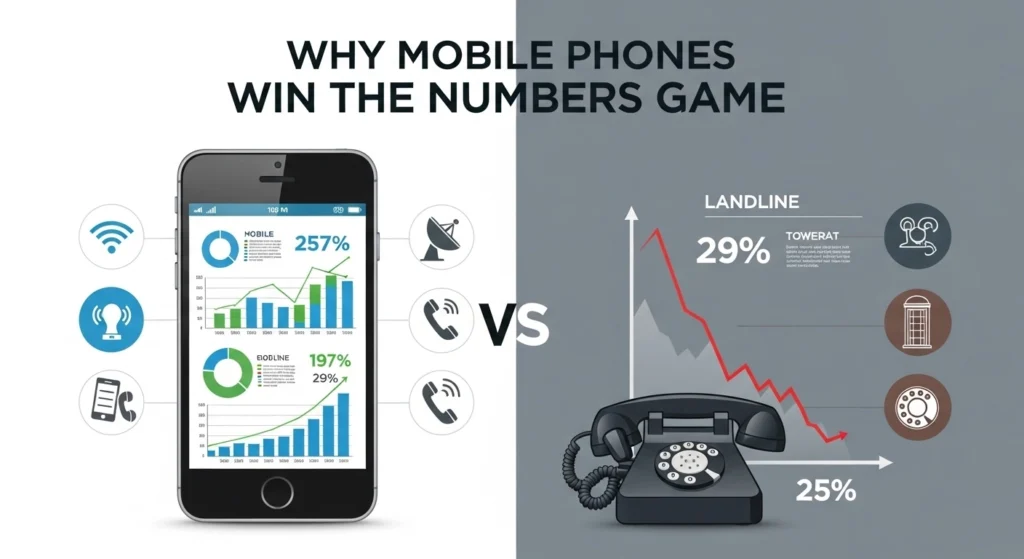
Toothbrushes, while inexpensive in developed nations, can be difficult to obtain in remote areas where supply chains are limited. A mobile phone, however, can be purchased once and used for years, making it a more practical long-term investment for many families.
Multiple Users, One Device
Here’s a key insight many people overlook: one mobile phone often serves multiple family members in developing countries. A household might share a single device for calls, mobile banking, and internet access. Conversely, toothbrushes are personal hygiene items that shouldn’t be shared, meaning every person needs their own.
Studies from the GSMA indicate that in low-income households across Africa and Asia, phone-sharing is common practice, with an average of 2-3 family members using the same device. This sharing model dramatically reduces the need for multiple phones per household while still contributing to subscription numbers when multiple SIM cards are involved.
Economic Necessity vs. Personal Health
Mobile phones have evolved from luxury items to economic necessities. They enable mobile banking through platforms like M-Pesa in Kenya, provide access to job opportunities, facilitate digital education, and connect people to essential services. For millions living in poverty, a mobile phone represents financial inclusion and economic opportunity.
Research from the World Bank shows that mobile money services have lifted millions out of poverty by providing access to financial systems that were previously unavailable. A toothbrush, while important for health, doesn’t offer the same immediate economic benefits.
What This Reveals About Global Priorities
The Digital Divide Has Narrowed, But the Health Gap Remains
The fact that mobile phones outnumber toothbrushes highlights both progress and persistent inequality. We’ve successfully connected billions of people to the digital world, creating unprecedented access to information, communication, and services. According to the International Telecommunication Union, mobile broadband coverage now reaches 95% of the global population.
However, this achievement stands in stark contrast to global health statistics. The WHO estimates that 3.5 billion people worldwide suffer from oral diseases, largely due to a lack of access to basic dental care products and education. While we’ve prioritized digital connectivity, fundamental health infrastructure has lagged behind in many regions.
Mobile Phones as Multi-Purpose Tools
Unlike a toothbrush, which serves one specific function, mobile phones are multi-purpose devices that replace dozens of traditional tools. A single smartphone can function as a camera, flashlight, calculator, alarm clock, calendar, map, entertainment system, educational resource, and communication device.
Based on working with communities in developing regions, we’ve found that families justify mobile phone purchases because of this versatility. The device becomes central to daily life in ways a toothbrush simply cannot.
The Infrastructure Behind the Phenomenon
Mobile Networks vs. Water Infrastructure
Mobile network infrastructure is often easier and cheaper to deploy than water and sanitation systems. A single cell tower can serve thousands of people across several kilometers, while water infrastructure requires extensive pipe networks, treatment facilities, and maintenance systems.
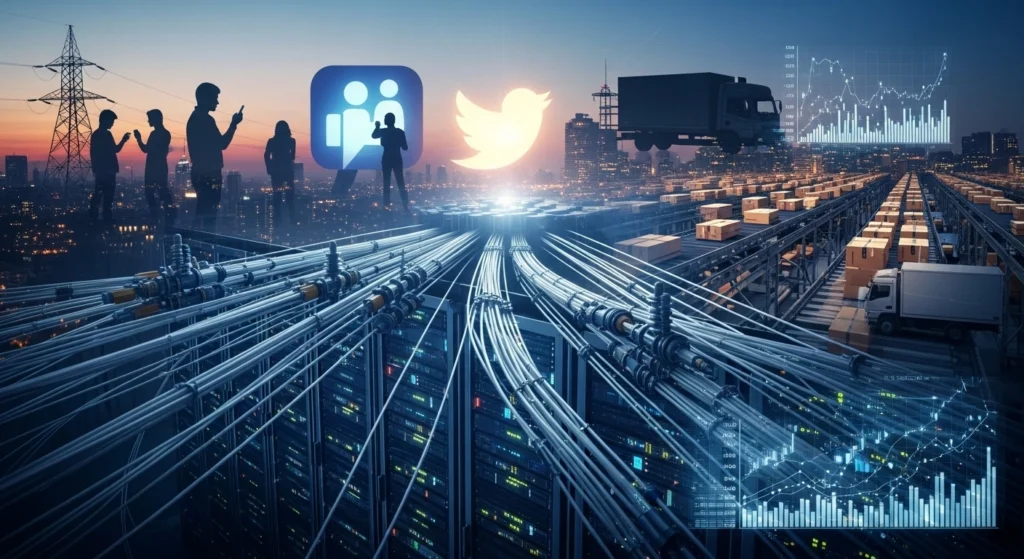
Telecommunications companies have invested billions in expanding mobile coverage to remote areas because there’s a clear profit model. In contrast, dental hygiene infrastructure, including reliable access to clean water for brushing, requires government investment and often generates no direct revenue.
Industry reports indicate that mobile network operators invested over $160 billion globally in infrastructure in 2023 alone, while investment in water and sanitation infrastructure in developing countries remains chronically underfunded.
The Business Model Difference
Telecom companies operate on subscription models that generate recurring revenue, creating strong incentives to expand coverage and sell devices. There’s no comparable business model for distributing toothbrushes at scale. While oral health companies exist, they lack the massive infrastructure investments and profit potential that drive mobile phone proliferation.
Implications for Public Health and Development
A Missed Opportunity for Health Integration
The widespread availability of mobile phones presents an untapped opportunity for public health initiatives. Several organizations have begun leveraging mobile technology to promote dental hygiene education, send health reminders, and connect people with healthcare services. According to a joint WHO and ITU initiative, mobile technology is increasingly being used to support oral health education and preventive care.
Programs in countries like India and Tanzania use SMS campaigns to educate communities about oral health, demonstrating how mobile phones could actually help address the toothbrush gap. According to public health research, mobile health interventions have shown promising results in changing health behaviors when implemented effectively.
Economic Development Patterns
This phenomenon illustrates how economic development in the 21st century doesn’t follow traditional paths. Previous generations saw improvements in basic health infrastructure before technological advancement. Today, we’re witnessing technological leapfrogging, where societies skip intermediate steps and jump directly to advanced digital systems.
While this creates opportunities, it also means addressing basic health needs requires intentional policy intervention rather than assuming they’ll naturally follow economic growth.
The Future: Bridging Both Gaps
As we move forward, the goal shouldn’t be to reduce mobile phone access but to ensure basic health tools become as ubiquitous. Some promising initiatives include:

Mobile-Enabled Health Distribution: Several startups are using mobile platforms to deliver health products, including toothbrushes, to underserved communities. By leveraging the same distribution networks that sell phones, these companies are creating new pathways for health product access.
Integrated Development Approaches: Development organizations are increasingly recognizing that digital access and health infrastructure aren’t competing priorities but complementary ones. Mobile phones can facilitate better health outcomes when paired with proper education and product access.
Sustainable Business Models: Social enterprises are developing subscription models for health products similar to mobile phone plans, creating recurring revenue streams that make distribution to remote areas financially viable.
Key Takeaways
The fact that mobile phones outnumber toothbrushes globally isn’t just a quirky statistic—it’s a window into how our world is developing, what we prioritize, and where opportunities for improvement exist. Mobile phones have become essential tools for economic participation and social connection, explaining their rapid proliferation even in resource-limited settings.
However, this shouldn’t obscure the ongoing need for basic health infrastructure. The challenge ahead is leveraging our unprecedented digital connectivity to address fundamental health gaps, ensuring that progress in one area accelerates progress in others.
As we continue expanding mobile access, we must ask ourselves: How can we use these powerful tools to ensure everyone also has access to basic health necessities? The answer to that question may define the next chapter of global development.
Frequently Asked Questions about Mobile vs Toothbrushes
1. How many mobile phones are there compared to toothbrushes?
There are approximately 8.6 billion mobile phone subscriptions globally compared to only 4-5 billion toothbrushes, meaning mobile phones outnumber toothbrushes by nearly 2 to 1.
2. Why are there more mobile phones than toothbrushes in the world?
Mobile phones serve multiple economic and social functions, are often shared among family members, and have become essential for financial inclusion, while toothbrushes remain inaccessible in many developing regions due to poor distribution infrastructure.
3. Which countries have the highest mobile phone to toothbrush ratio?
Developing nations in Sub-Saharan Africa and South Asia, particularly Kenya, Bangladesh, and Tanzania, show the highest mobile phones vs toothbrushes ratios due to strong mobile penetration (80%+) but limited access to dental hygiene products.
4. When did mobile phones start outnumbering toothbrushes?
Mobile phone subscriptions surpassed toothbrush numbers around 2014-2016 as smartphone affordability increased and mobile network infrastructure expanded rapidly in developing countries.
5. Are mobile phones more important than toothbrushes?
While both serve different purposes, mobile phones have become economic necessities, enabling banking, education, and employment access, whereas toothbrushes address personal health both are important but serve different fundamental needs.
6. How can mobile phones help increase toothbrush access?
Mobile technology enables health education campaigns, mobile commerce for product distribution, and SMS reminder systems that promote dental hygiene awareness and facilitate toothbrush delivery to remote areas.
7. What does the mobile phone vs toothbrush statistic reveal about society?
This statistic highlights how digital infrastructure has developed faster than basic health infrastructure, showing both the success of global connectivity and the persistent gaps in fundamental healthcare access worldwide.
