

Pando Tree: The World’s Largest Living Organism Explained in Simple Words
Imagine a living thing so large that it covers more land than 80 football fields yet most people walk through it without noticing anything special. What if this “forest” was actually one single living organism?
This is the true and fascinating story of the Pando Tree, the largest living thing on Earth.
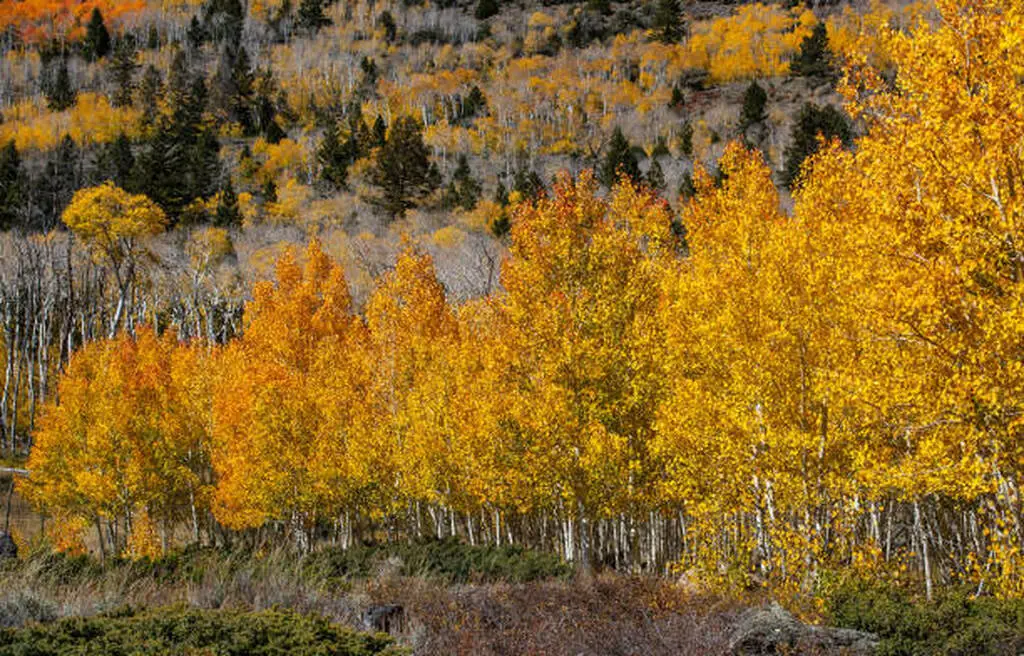
The Pando tree does not look like the biggest living thing on Earth. It looks quiet, normal and ordinary. But underground, it tells a very different story. Pando is a single living organism that has been growing for thousands of years, spreading silently beneath the soil. Known as Pando the Trembling Giant, it challenges everything we think we know about trees, forests and even age itself.
Table of Contents
What Is the Pando Tree?
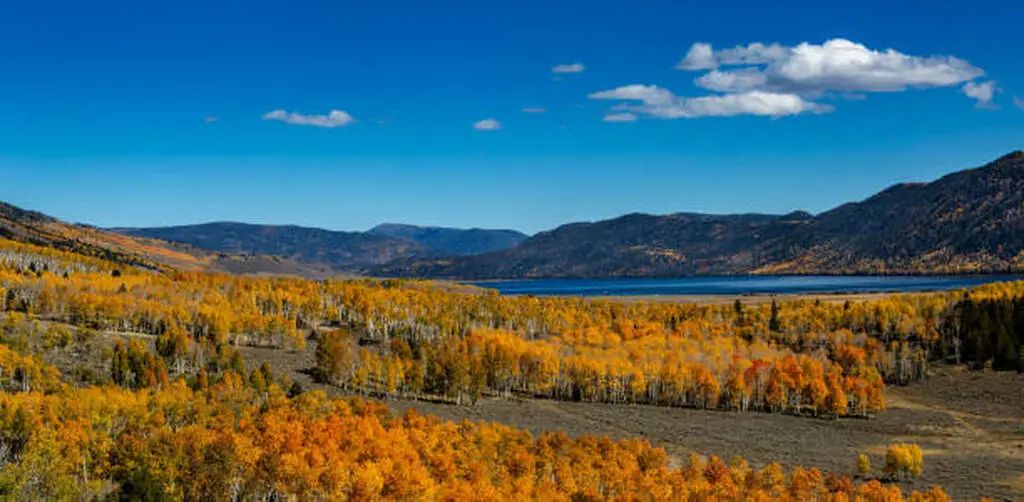
The Pando tree is not a forest made of many different trees. It is one living being made up of thousands of tree trunks. These trunks are connected underground through one shared root system.
Each visible trunk looks like its own tree but they all belong to the same organism. This is why people sometimes call them pando trees, even though biologically they are all part of the same life form. Think of Pando like one body with thousands of arms reaching up from the ground.
Where Is the Pando Tree Located in Utah?
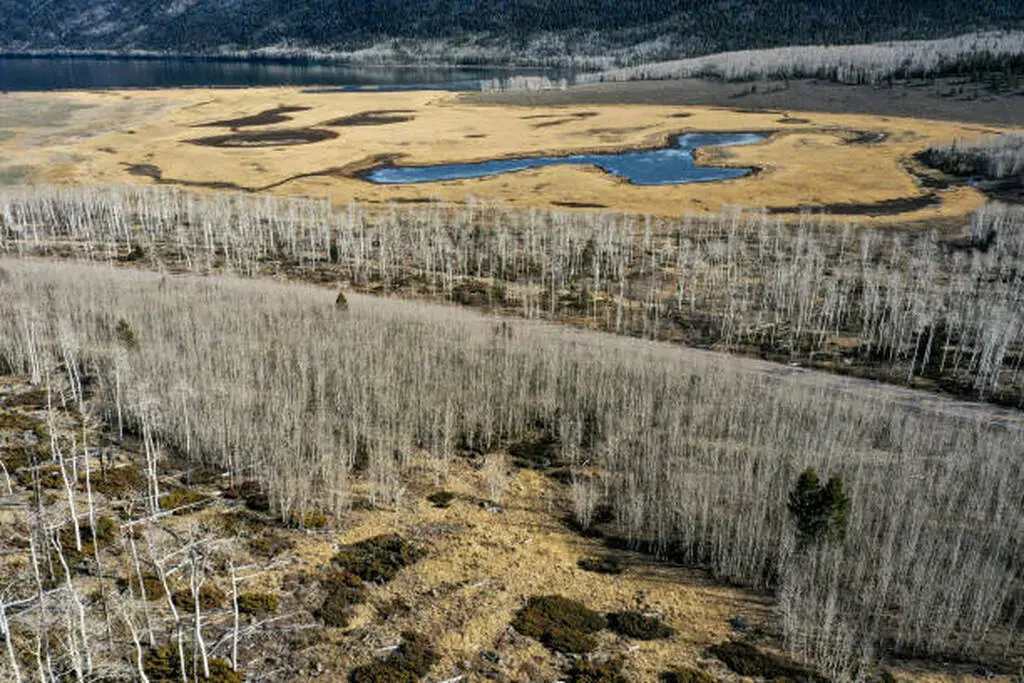
The Pando tree in Utah is located in Fishlake National Forest a peaceful area surrounded by mountains and open land. The climate here is cool with enough moisture to support quaking aspen trees, which Pando belongs to.
There are no fences or giant monuments marking it as a world record holder. Because of this, many visitors walk through the area without realizing they are standing on top of one of the greatest natural wonders on Earth.
Why Pando Is Considered a Single Living Organism
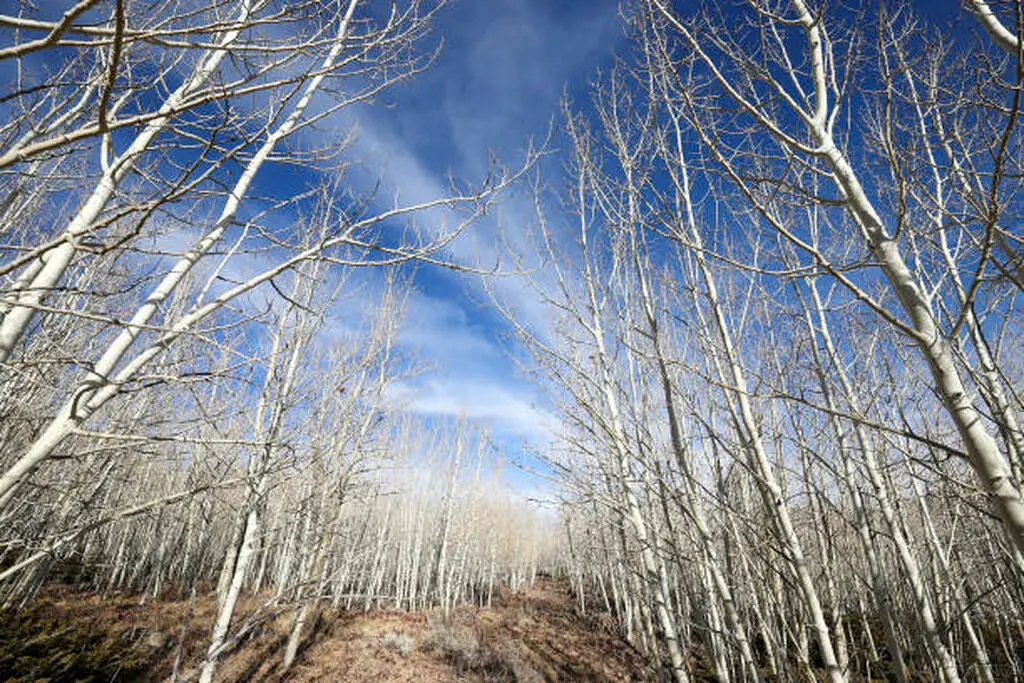
Pando is considered a single living organism because all of its tree trunks grow from one massive root system. This underground network spreads across more than 100 acres and sends up new trunks over time.
When one trunk dies, the roots remain alive and grow another one. This type of growth is called a clonal colony, meaning every part has the same DNA. In simple words, Pando keeps renewing itself instead of starting over.
How Big Is Pando Compared to Other Living Things?
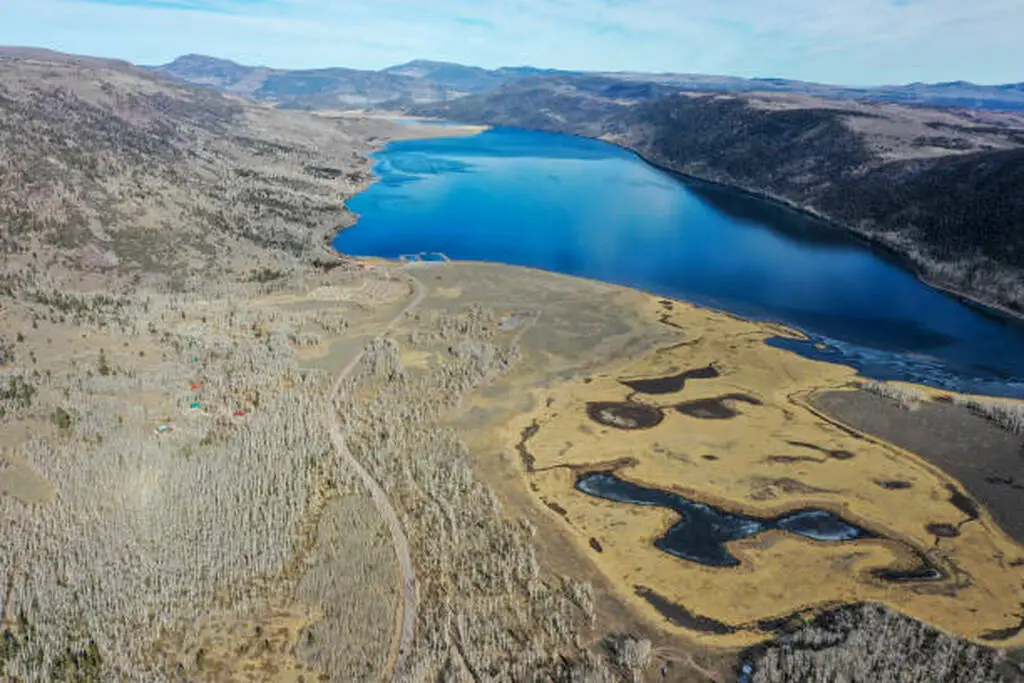
When scientists measure Pando by weight and area, it becomes clear why it is called the largest living organism on Earth. It weighs millions of tons and covers more land than any animal or single plant.
Even giant whales, elephants, or famous redwood trees cannot match Pando’s total size. While a redwood is tall and impressive, Pando spreads wide and deep making it the largest living plant on the planet.
How Old Is the Pando Tree Really?
The visible tree trunks of Pando usually live around 100 to 130 years. But the Pando tree age is measured by its root system, not by its trunks.
Scientists estimate that Pando’s roots could be tens of thousands of years old. Some studies suggest it may be around 80,000 years old, making it older than human civilization, older than pyramids, and older than written history.
Why Pando Has Survived for So Long
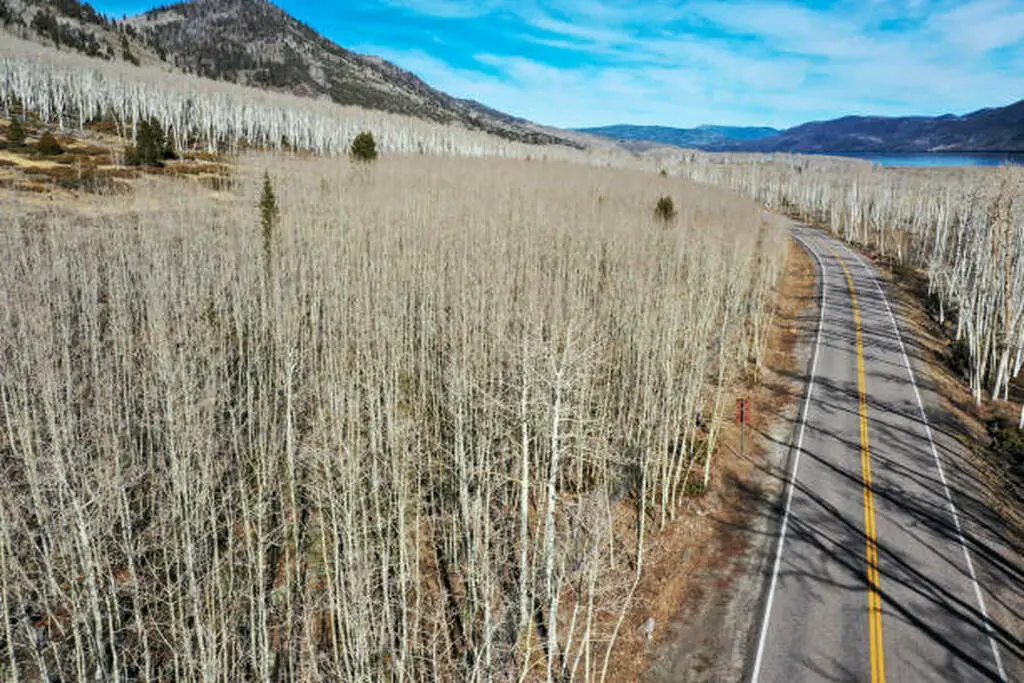
Pando’s long life is not luck. Its underground root system protects it from fires, storms, and cold weather. Even when the land above changes, the roots stay alive and send up new growth.
Instead of dying like a normal tree, Pando replaces its old parts with new ones. This ability to renew itself is the main reason it has survived ice ages and climate changes.
Why Pando Is Called “The Trembling Giant”
Pando belongs to the quaking aspen family. Aspen leaves have flat stems that make them shake even in a gentle breeze.
When wind moves through Pando, thousands of leaves tremble together, creating a soft shimmering sound. This gentle movement is why it earned the name Pando the Trembling Giant giant in size but delicate in motion.
Is Pando a Tree a Forest or Something Else?
Many people wonder if Pando is a mushroom, fungus or something unusual. It is not. Pando is a tree organism made of quaking aspens.
It looks like a forest, behaves like one organism, and grows like a tree. That is what makes it unique. Pando is one life form pretending to be many.
How Is Pando Different from Giant Sequoias and Redwoods?
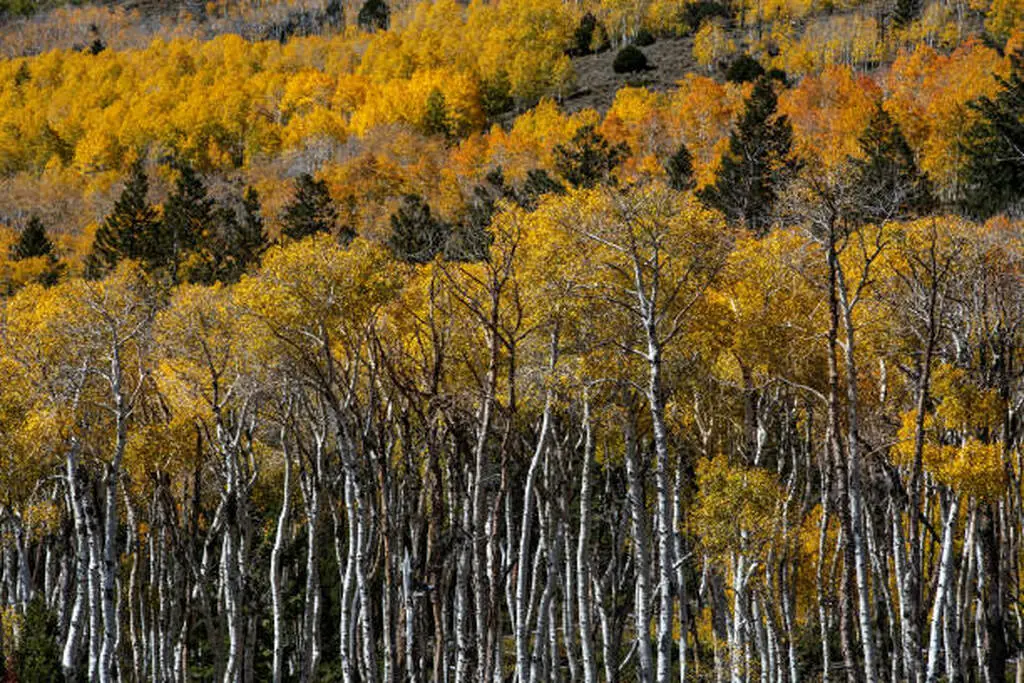
Giant sequoias and redwoods are single trees with one trunk and one root system. They grow tall and wide but eventually die as one individual.
Pando is different. It has thousands of trunks but one shared root system. Even if many trunks die, the organism continues to live. This difference is what makes Pando biologically unique and far more resilient.
What Is Killing Pando Today?
The biggest threat to Pando is not age, but lack of new growth. Deer and elk eat young aspen shoots before they can grow into new trunks.
Climate stress and human activity also weaken the soil and water balance. Without protection, Pando may slowly shrink as old trunks die and fewer new ones replace them.
Why Scientists and Ecologists Are Worried About Pando
Scientists worry because Pando is no longer renewing itself fast enough. This means that over time, the organism could weaken and lose parts of its massive structure.
Protecting Pando helps scientists understand forests, climate change, and how large living systems survive for thousands of years. Losing Pando would mean losing a living record of Earth’s past.
What Are the Benefits of the Pando Tree?
The Pando tree ecosystem benefits many animals, insects and plants. Its roots stabilize the soil, help manage water, and support wildlife.
For humans, Pando is a natural classroom. It teaches patience, balance, and how life can survive quietly without attention or noise.
Can You Visit the Pando Tree?
Yes, you can visit the Pando tree in Fishlake National Forest. Walking paths pass through parts of the organism, and signs explain its importance.
Visitors are encouraged to respect the land, avoid damaging young plants and remember that this is not just a forest it is one living being under their feet.
Why Isn’t Pando Very Famous?
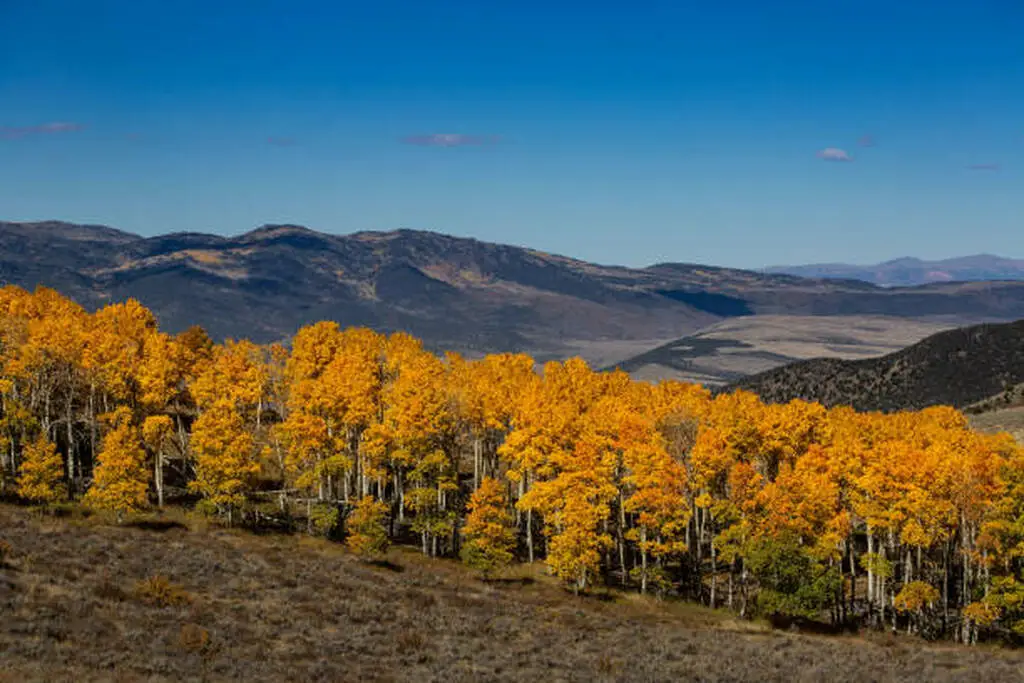
Pando is not famous because it does not look dramatic. There is no single giant trunk to photograph. It blends into the landscape like an ordinary forest.
Its true greatness is hidden underground, making it one of the most powerful but overlooked natural wonders on Earth.
Are There Other Trees Like Pando in the World?
There are other clonal aspen colonies, but none are as large or as old as Pando. That is why scientists consider it unique.
Pando stands alone as the most massive known living plant, quietly surviving while the world changes above it.
Conclusion
The Pando tree shows us that the greatest things in nature are not always loud or obvious. Sometimes, they grow silently beneath our feet, unnoticed for thousands of years.
Understanding Pando changes how we see forests, time, and life itself. It is not just a tree — it is one of Earth’s oldest living stories, still growing today.
FAQs About the Pando tree
Is the Pando Tree a single tree or a forest?
Pando is one tree organism. All the trunks are connected by one root system and share the same DNA.
Where is the Pando Tree located?
The Pando Tree is located in Fishlake National Forest, Utah, United States.
Why is the Pando Tree called one living organism?
Because every trunk grows from the same root system, making it one living body, not separate trees.
How old is the Pando Tree?
Scientists estimate Pando’s root system could be tens of thousands of years old.
Why is the Pando Tree important?
Pando helps scientists understand ecosystems, climate change, and long-living organisms.