


7 Shocking Facts About the Most Poisonous Bird in the World
Imagine a bird so beautiful you’d want to hold it. But just a touch makes your lips tingle and your fingers numb. Deep in Papua New Guinea’s rainforest, this tiny creature hides one of nature’s deadliest secrets. Can a bird really be poisonous?
Table of Contents
A Magical Bird with a Deadly Secret
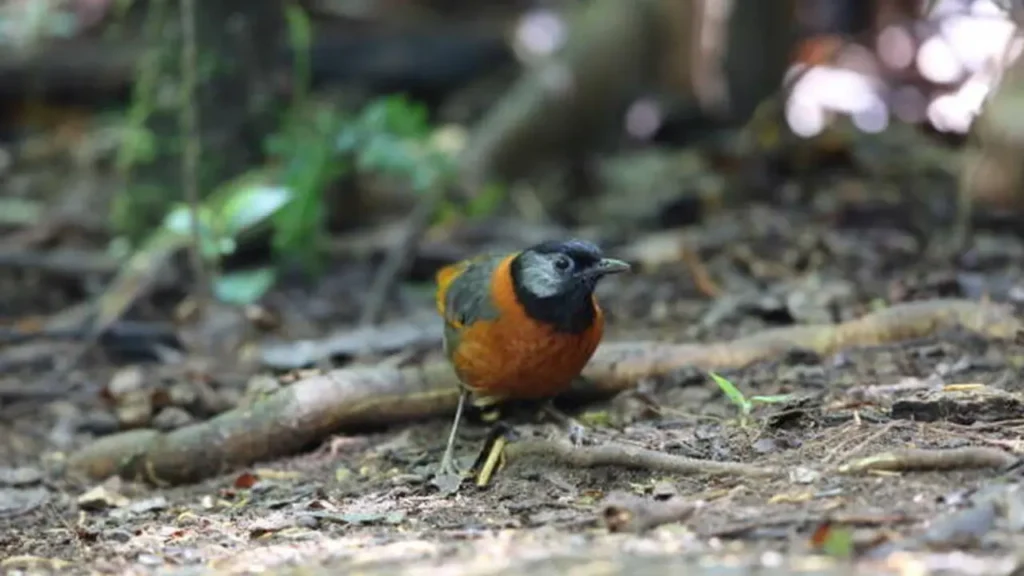
Deep in the misty rainforests of Papua New Guinea, a bright orange-and-black bird flits among the trees. Children and villagers admire its beauty and enchanting song but behind this delicate appearance lies one of nature’s most dangerous secrets.
Touch it, and your lips and hands go numb. Look closely, and you’ll discover that this small, seemingly harmless bird is actually poisonous. Meet the Hooded Pitohui (pit-o-hee) — the world’s first confirmed poisonous bird. If you’re in a hurry, scroll to the Quick Facts at the bottom. But if you want to enjoy the story, learn fun facts, and explore the rainforest with me, stay right here!
Fact 1: The Hooded Pitohui Is the First Poisonous Bird Ever Discovered
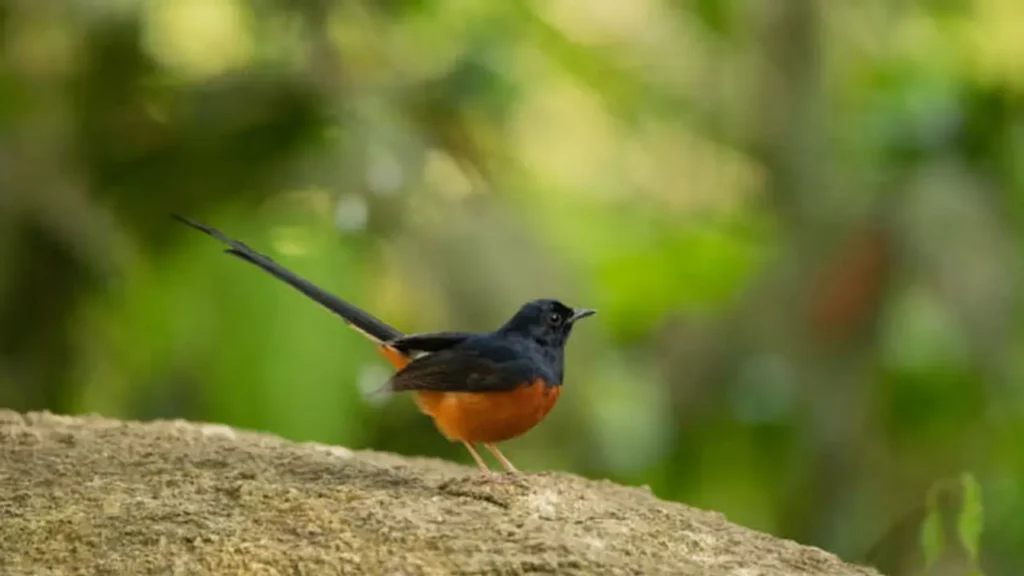
In 1992, Dr. Jack Dumbacher made a shocking discovery. While handling this small songbird, his lips and hands went numb. Tests revealed batrachotoxin in its feathers the same deadly chemical found in poison dart frogs.
Before this, scientists believed only amphibians and insects could use chemical defenses. The Pitohui proved birds could chemically protect themselves a true ornithological breakthrough.
Fact 2: It Gets Its Poison from a Special Diet
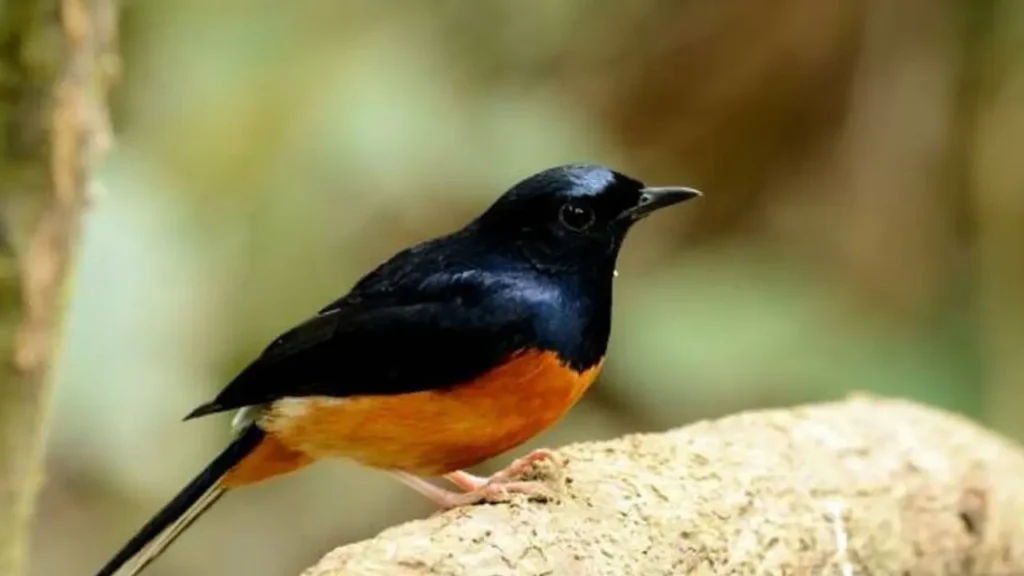
The Pitohui doesn’t make its own poison. Instead, it eats tiny Choresine beetles, which carry batrachotoxin. The toxin accumulates in the bird’s feathers and skin a process called bioaccumulation.
Humans touching it may feel tingling or numbness, while predators quickly learn that this bright orange-and-black bird is dangerous.
Fact 3: Batrachotoxin Is One of Nature’s Most Lethal Chemicals
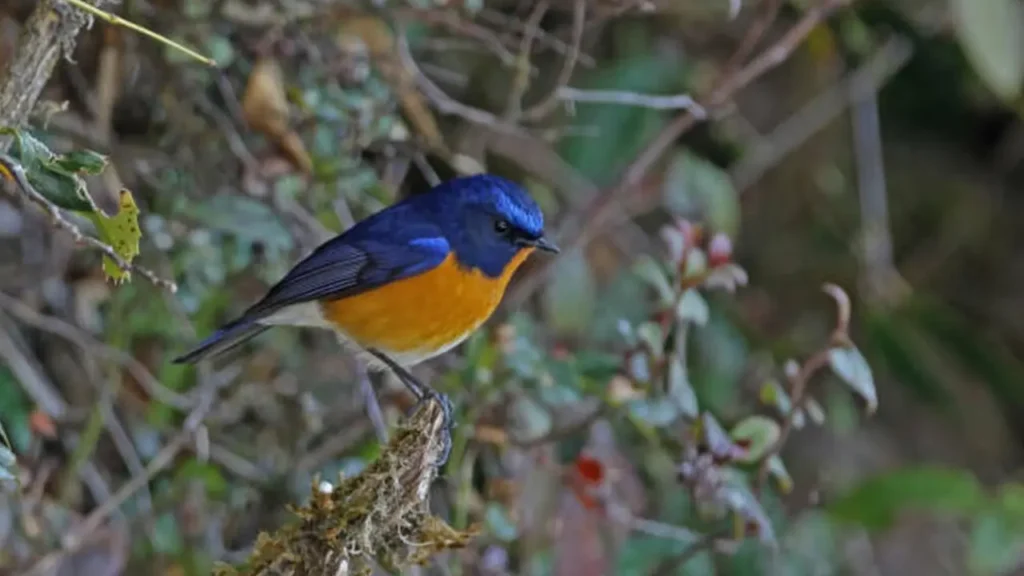
Batrachotoxin blocks nerve signals, causing tingling, paralysis, or even heart failure in high doses.
Interestingly, the same chemical is found in South American poison dart frogs, even though the species are continents apart. In the Pitohui, the poison is concentrated in feathers, skin, beak, and legs.
Fact 4: Its Bright Colors Serve as a Natural Warning
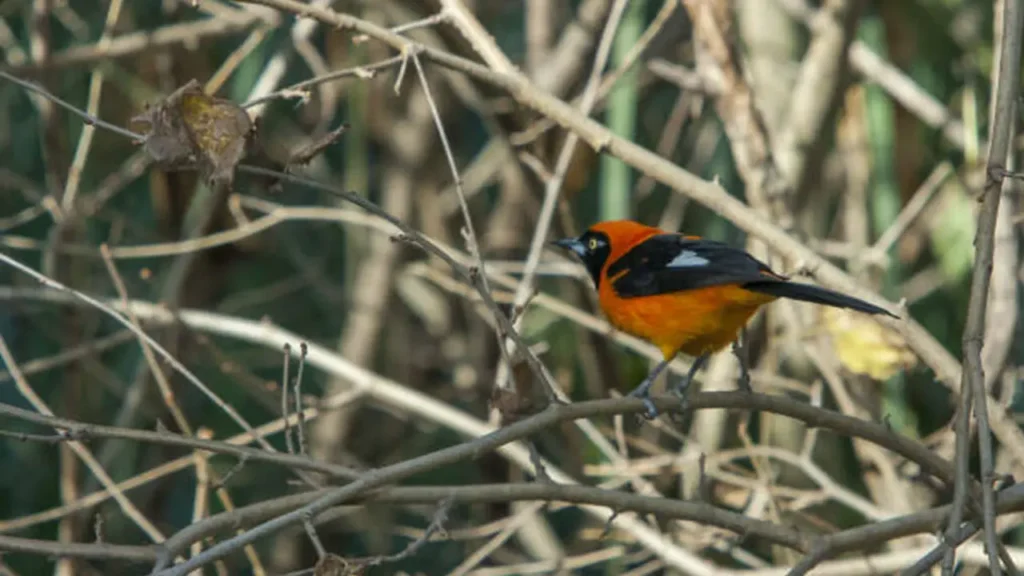
The Pitohui doesn’t hide its power. Its orange-and-black feathers act as a warning signal, a phenomenon called aposematism.
Predators remember the color pattern after one bad encounter and avoid it forever. Nature proves that beauty and danger often go hand in hand.
Fact 5: Chicks Are Born Toxin-Free
Hooded Pitohui chicks hatch without poison. They only develop toxicity after eating Choresine beetles themselves.
The bird builds cup-shaped nests, lays 2–3 eggs, and lives 5–8 years in the rainforest, demonstrating that danger and peaceful daily life can coexist.
Fact 6: Other Poisonous Birds Exist
The Pitohui is the most famous, but several other birds in Papua New Guinea also have toxins:
| Bird Species | Toxin Type | Danger Level | Region |
| Hooded Pitohui | Batrachotoxin | High | Papua New Guinea |
| Variable Pitohui | Batrachotoxin (low) | Medium | Papua New Guinea |
| Brown Pitohui | Batrachotoxin (mild) | Low | Papua New Guinea |
| Ifrita kowaldi | Batrachotoxin | Moderate | Papua New Guinea |
All of them use bright warning colors and evolved chemical defenses from their beetle-rich diet.
Fact 7: Habitat Loss Threatens Its Survival
Deforestation is the biggest danger to the Pitohui. Logging reduces beetle populations, leaving the birds less protected.
Although not currently endangered, scientists warn that habitat loss could erase this extraordinary species. Protecting Papua New Guinea’s rainforests preserves one of the most fascinating examples of chemical defense in birds.
Conclusion – Beauty and Danger Coexist in the Pitohui
The Pitohui is not just a poisonous bird it’s a story of adaptation, survival and nature’s creativity. Its feathers are beautiful yet deadly, reminding us that the rainforest is full of mysteries waiting to be discovered.
Summary
The Pitohui, a small songbird from the misty rainforests of Papua New Guinea, is one of nature’s most fascinating and dangerous creatures. With its striking orange-and-black feathers, it hides a powerful secret: its skin and feathers carry batrachotoxin, a potent poison it acquires from eating Choresine beetles.
Discovered in 1992 by Dr. Jack Dumbacher, the Hooded Pitohui challenged the belief that only amphibians and insects could use chemical defenses. Predators quickly learn to avoid this bright bird, while humans may experience mild numbness if they touch it.
Chicks hatch toxin-free and develop their poisonous defense through diet, living peaceful lives alongside their toxic secret. The bird builds cup-shaped nests, lays 2–3 eggs, and survives for 5–8 years in its rainforest habitat. Its vivid colors serve as a warning signal an example of aposematism and even some non-toxic birds mimic its pattern to stay safe.
While the Hooded Pitohui is the one of most famous poisonous bird, other species like the Variable Pitohui, Brown Pitohui, and Ifrita kowaldi also share this chemical defense. However, habitat loss and deforestation threaten these remarkable creatures, emphasizing the importance of protecting Papua New Guinea’s forests.
The Pitohui perfectly illustrates how beauty and danger coexist in nature, showing that sometimes the most unassuming creatures hold the greatest surprises.
Frequently Asked Questions
Q1. Where is the Pitohui found?
The Pitohui lives in the dense rainforests of Papua New Guinea, thriving among trees where its toxic diet is available.
Q2. How does it get its poison?
It becomes poisonous by eating Choresine beetles, which contain this poison that accumulates in its feathers and skin.
Q3. Can humans die from touching it?
No, humans won’t die; touching the bird may cause mild numbness, tingling, or irritation.
Q4. Are its chicks poisonous?
No, chicks are born toxin-free and only develop poison after eating the same beetles as adults.
Q5. How long does it live?
Pitohuis live around 5–8 years in the wild, depending on food availability and habitat safety.
Q6. Are there other poisonous birds?
Yes, species like the Variable Pitohui, Brown Pitohui, and Ifrita kowaldi also have chemical defenses.
Q7. Is there an antidote for batrachotoxin?
No known antidote exists; the toxin is extremely potent, so humans must avoid direct contact.
Q8. Does deforestation affect Pitohui?
Yes, habitat loss reduces beetle populations, lowering toxin supply and threatening the bird’s survival.