

30 Weirdest Animals That Actually Exist | You Won’t Believe
Ever looked at your dog and thought, “You’re kind of weird”? Well, buckle up, because what you’re about to see will make your pet look absolutely normal.
Our planet is home to over 8.7 million species, and some of them look like Mother Nature was experimenting after a few drinks. We’re talking about animals so bizarre that scientists literally thought they were pranks when first discovered. From fish that walk on legs wearing lipstick, to snakes that look like… well, let’s just say “human anatomy.”
According to National Geographic the weirdest animals on earth have evolved in ways that challenge everything we think we know about biology. These aren’t Photoshopped images or movie props – these exotic animals are 100% real and living among us right now.
Ready to meet the weirdest animals in the world? From the deep ocean to tropical rainforests, from microscopic immortals to 45-meter-long sea monsters, this list covers the absolute strangest creatures on our planet.
Let’s dive into nature’s freak show. Trust me, you’ll never look at the animal kingdom the same way again.
Table of Contents
Why Are These Animals So Weird?
Before we jump into our list of strange animals, let’s answer the big question: Why do these crazy animals even exist?
Here’s the truth: Evolution doesn’t care about looking “normal.” It cares about one thing – survival. If having a nose like an elephant trunk helps you breathe in a desert? You get the trunk. If shooting blood from your eyes scares predators? Blood-shooting eyes it is!
The Smithsonian Institution has documented thousands of these unusual animals, and every single bizarre feature has a purpose. That weird-looking nose? It’s an air filter. Those creepy tentacles? They’re sensory organs more sensitive than human hands.
The weirdest animals in the world aren’t mistakes – they’re evolutionary masterpieces that solved problems in the most creative (and often disturbing) ways possible.
Different environments create different pressures. Deep ocean? You might evolve into a transparent blob. Desert heat? Maybe you’ll get a built-in air conditioning system on your face. Tropical rainforest? Perhaps you’ll develop the ability to turn prey into zombies.
And here’s what makes these unusual creatures even more fascinating: scientists estimate we’ve only discovered about 14% of all species on Earth. That means millions of weird animals are still hiding out there, waiting to blow our minds.
So let’s meet the ones we’ve found so far. Some will make you laugh, some will make you cringe, and a few might give you nightmares. But all of them prove that weirdest animals on earth are far more creative than anything Hollywood could dream up.
1. Penis Snake – The Animal That Looks Exactly Like You Think
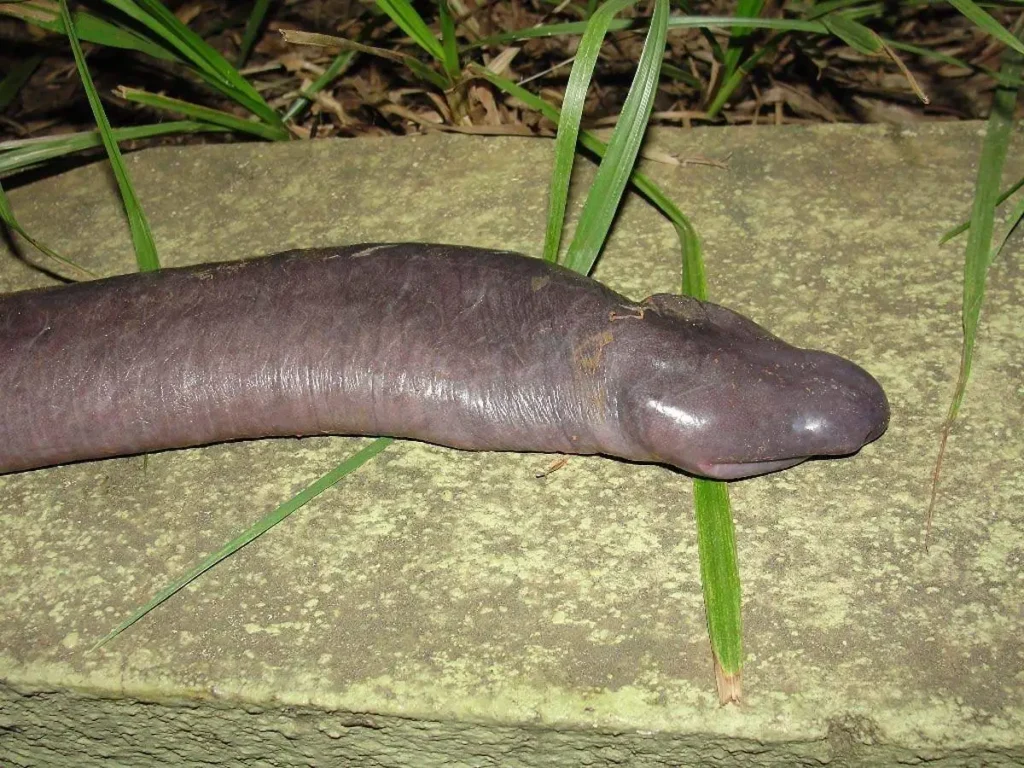
Let’s just rip the band-aid off and start with the most awkwardly named creature on this list. Yes, it’s called the penis snake. No, it’s not actually a snake. And no, it’s definitely not a penis (despite looking EXACTLY like one).
What is it really? This phallic-looking creature is actually a caecilian – a limbless amphibian that lives in water. Its scientific name is Atretochoana eiselti, but people also call it the “manaconda” or “floppy snake” because, well… you can see why. These weird animals can grow up to 81cm long and are found in Amazonian rivers.
Why it’s so weird: It’s the largest lungless tetrapod (four-limbed vertebrate) on Earth. It breathes entirely through its skin! This is why it needs to stay in water – its skin must remain moist to absorb oxygen. It has terrible eyesight (eyes barely visible under its skin) but uses an excellent sense of smell to navigate murky river waters.
Where they live: Amazon Basin in Brazil
Awkward fact: From its discovery in the late 1800s until its rediscovery in 2011, there were only two preserved specimens. Scientists are still trying to study these strange-looking animals without giggling during presentations.
Want to know about another creature with surprising anatomy? Check out animals that change gender during their lifetime!
2. Pacu – The Fish With Human Teeth (And a Scary Nickname)
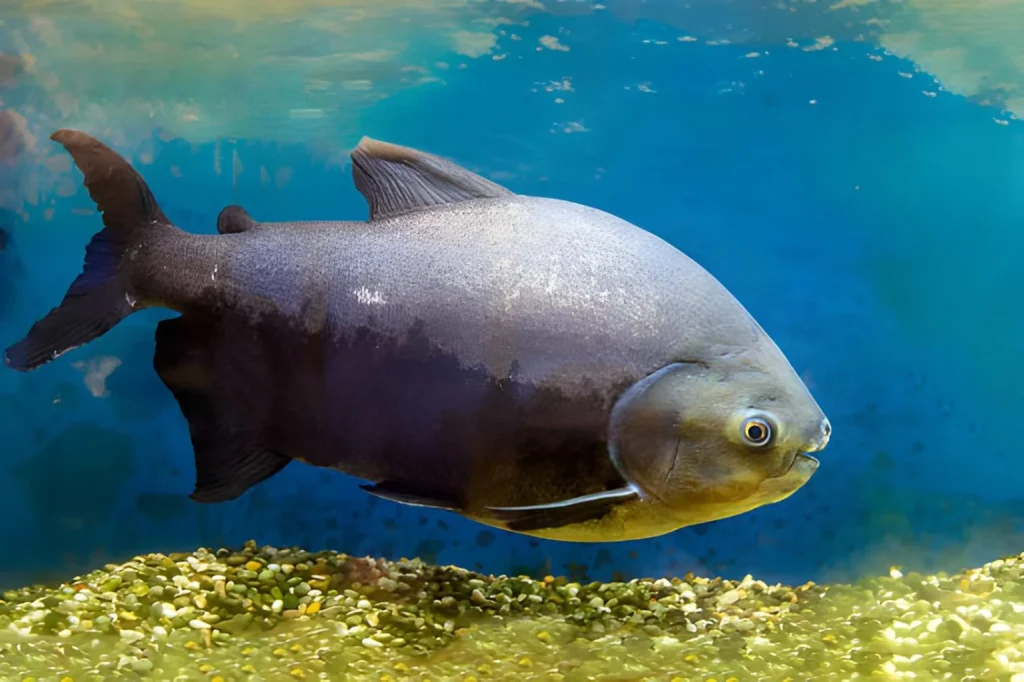
Imagine you’re swimming in the Amazon, and you see what looks like a piranha. You panic. But then it opens its mouth and… are those HUMAN TEETH?!
Meet the nightmare fuel: The pacu is a freshwater fish with eerily human-like square, straight teeth. Unlike their piranha cousins who eat meat, pacus are mostly vegetarian, using those creepy chompers to crack nuts and crush fruits that fall into the water. These weirdest animals can weigh up to 55 pounds and are related to piranhas, but much less aggressive.
The disturbing part: Swimmers in Papua New Guinea reported attacks from these fish, leading to its terrifying nickname: the “ball-cutter fish” or “testicle-eating fish.” Apparently, these nut-crushing fish sometimes mistake human testicles for their favorite snack – tree nuts. There have been actual reports of men needing hospital treatment after pacu encounters. OUCH.
Where they live: Amazon and Orinoco river basins (but introduced to other countries)
Fun(?) fact: Despite the scary reputation, pacu attacks are extremely rare. But maybe just keep your distance from any fish with human teeth? Just saying.
These unusual animals prove that sometimes the ocean’s weirdest creatures aren’t even in the deep sea – they’re in rivers where people actually swim!
3. Echidna – The Mammal With a Four-Headed Penis
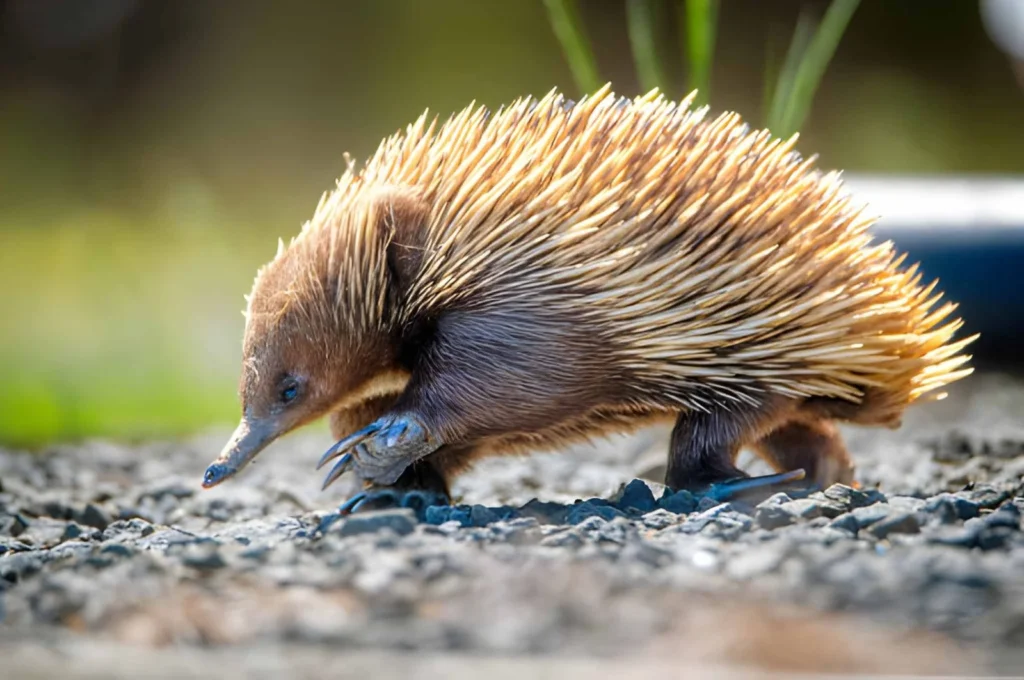
If you thought the penis snake was awkward, meet the echidna – a spiky mammal whose actual penis has FOUR HEADS and looks like a weird foot. And yes, it’s huge – about one-third of the animal’s total body length.
Why this weird animal exists: Also known as the spiny anteater, the echidna is one of only two egg-laying mammals alive today (the other is the platypus – we’ll get to that weirdo later). These bizarre animals are found in Australia and New Guinea, and despite their hedgehog-like appearance, they’re more closely related to platypuses.
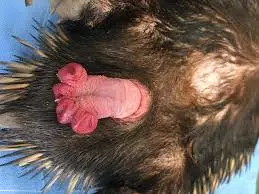
How that four-headed penis works: During mating, the male echidna uses two of the four heads at a time, alternating between pairs. Why? Scientists think it helps with sperm competition when multiple males mate with one female. Nature’s solution to romance is… interesting.
Where they live: Australia and New Guinea
Other weird facts: They have electroreceptors in their snouts to detect prey, can live over 50 years, and their babies are called puggles (which is adorable). They’re also covered in spines made of keratin – the same stuff as your hair and nails.
For more animals with unusual features, discover the blue dragon sea slug that floats upside-down in the ocean!
4. Siphonophore – The 45-Meter Monster That’s Longer Than Blue Whales
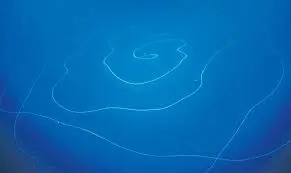
Think blue whales are the longest animals? WRONG. Meet the siphonophore – a bizarre deep-sea creature that can reach 45 meters (150 feet) long. That makes the blue whale look like a baby!
What even is it? Here’s where it gets weird: a siphonophore isn’t actually a single animal. It’s a colonial organism – thousands of tiny creatures called zooids that work together like one giant entity. Think of it like a living apartment complex where every resident has a specific job.
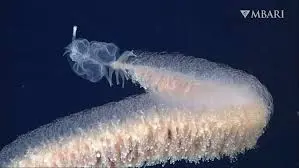
Why it’s terrifying: It’s a relative of the Portuguese man o’ war, trailing deadly stinging tentacles through the water like a wall of death. This specimen was discovered in 2020 during a deep-sea expedition off the coast of Australia, arranged in a beautiful (but deadly) feeding spiral.
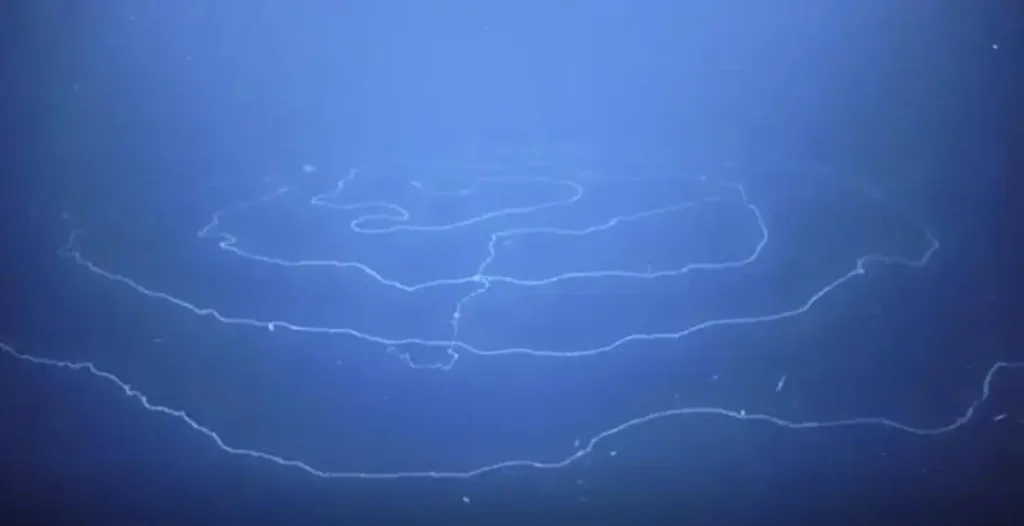
Where they live: Deep ocean waters worldwide
Mind-bending fact: Because it’s technically a colony, scientists debate whether it’s truly “one animal” or many. Either way, it’s one of the weirdest animals in the world and definitely the longest organism on Earth. These strange creatures challenge our very definition of what an “animal” is.
The deep ocean is full of bizarre animals – check out hidden facts about underwater volcanoes where many weird creatures live!
5. Hagfish – The Slime Monster That Produces 400 Times Its Volume in Goo
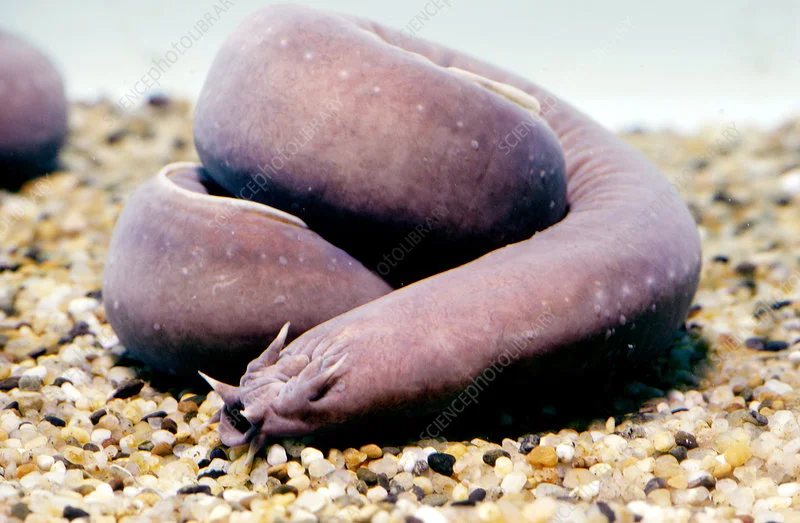
Imagine an eel that can produce enough thick, sticky slime to fill four bathtubs in milliseconds. That’s the hagfish – nature’s ultimate slime machine and one of the most disgusting weirdest animals on earth.
The slime defense: When threatened, hagfish produce copious amounts of thick, fibrous slime that expands to 10,000 times its initial volume. This goo clogs predator gills, causing them to gag and release the hagfish. It’s like having a built-in slime cannon that shoots 400 times your own body volume worth of snot. Predators learn very quickly: DO NOT EAT HAGFISH.
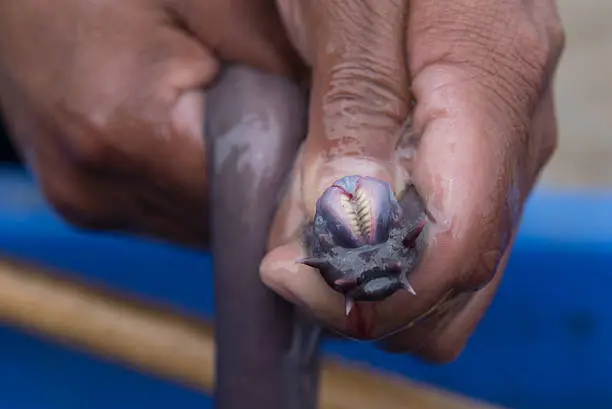
But wait, there’s more weird: Hagfish can tie themselves in knots! They use this ability to escape their own slime (by scraping it off), gain leverage when eating, and even rip flesh from dead animals. They’ll burrow into dead whale carcasses and eat them from the inside out. They’re basically underwater zombies.
Where they live: Cold ocean floors worldwide
Ancient survivors: These slimy scavengers evolved around 500 million years ago and are considered “living fossils.” They’re jawless fish with skull-like heads and have survived multiple mass extinction events. According to research, their slime might even have future applications in biodegradable plastics.
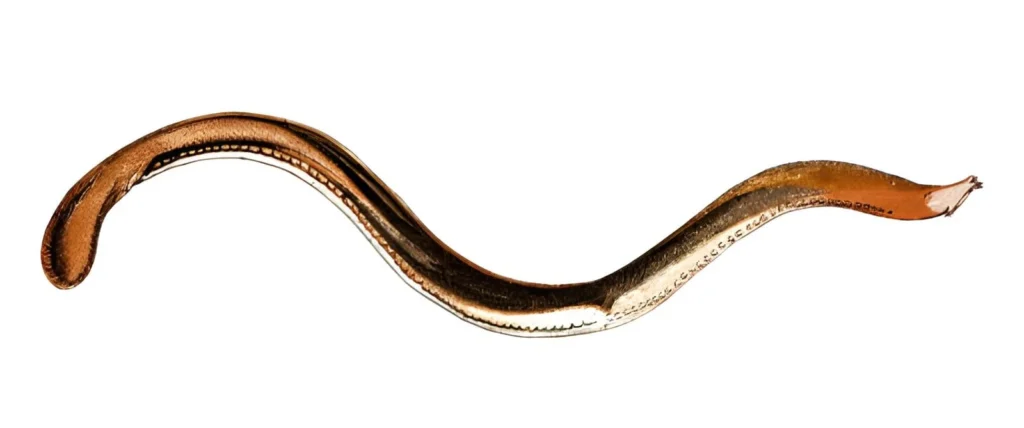
These unusual creatures prove that sometimes the grossest survival strategy is the most effective!
6. Ghost Shark – The Deep-Sea Horror With a Penis on Its Head
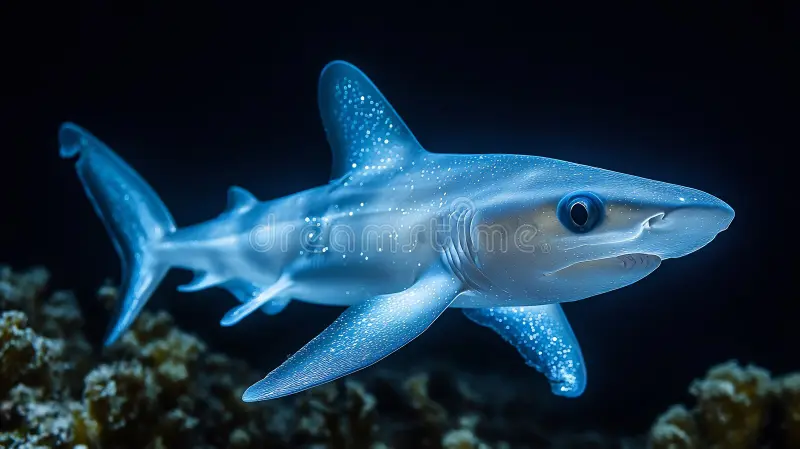
When scientists found this newly hatched baby ghost shark off New Zealand’s coast in 2022, it went viral for its absolutely bizarre appearance. And for good reason – this thing looks like it escaped from a nightmare.
What makes it ghostly: More formally known as chimaeras, these weird creatures have dead-looking eyes, large wing-like fins, and a retractable penis-like appendage on their heads (called a tentaculum, used during mating). They live at depths of 400 to 6,600 feet where water temperatures are near freezing.
Why we know so little: Ghost sharks are incredibly elusive and rarely seen. Even less is known about their young – baby ghost sharks were only discovered for the first time in 2002! This particular baby was special because it still had a full belly of egg yolk, meaning it had just hatched.
Not actually sharks: Despite the name, ghost sharks aren’t true sharks. They’re a separate species of fish with skeletons made from cartilage instead of bone. This low-density skeleton is crucial for surviving deep-ocean pressure without collapsing.
Where they live: Deep ocean waters worldwide, especially off New Zealand
Creepy fact: They lay egg capsules (mermaid purses) on the seafloor, just like sharks. These odd-looking animals are some of the ocean’s strangest mysteries.
7. Sea Pig – The Bloated Underwater Vacuum Cleaner
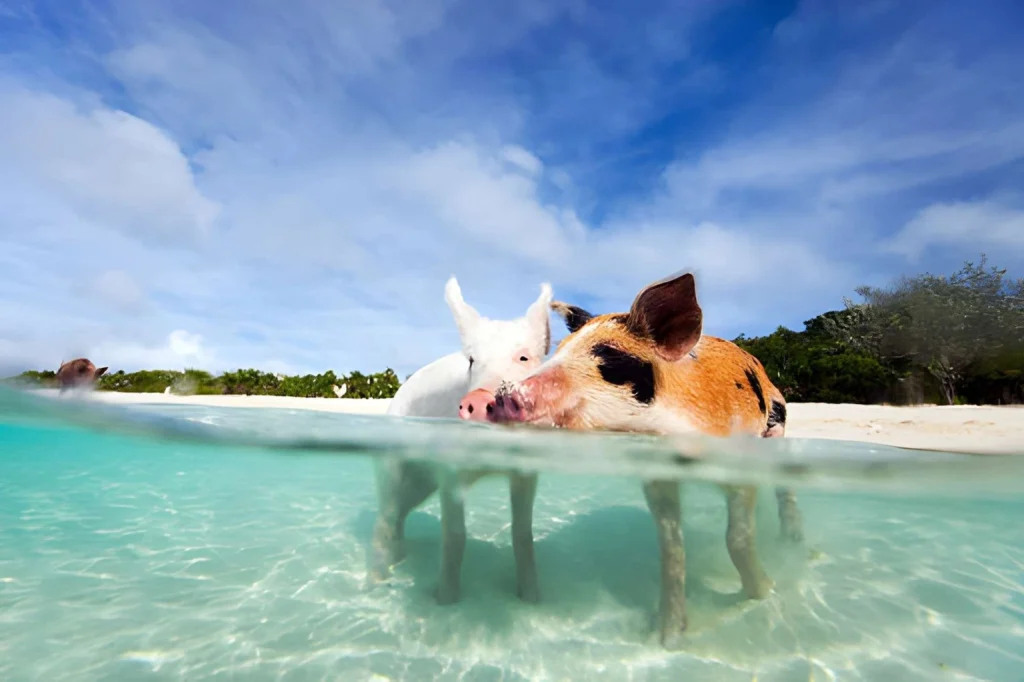
Imagine a chubby pink sausage with legs, walking across the ocean floor like a tiny alien explorer. That’s the sea pig – and yes, that’s actually its common name. These weirdest animals are actually sea cucumbers that look like they’re filled with water (because they are).
Why they’re so weird: Sea pigs (Scotoplanes globosa) can grow up to 15cm long and are found in all the world’s oceans. They waddle along the abyssal plains (the flat seafloor 3,000-6,000 meters deep) using tube feet, pumping water through their bodies to stay inflated like balloons. Bring them too close to the surface, and they’ll shrivel up and die.
The feast behavior: When there’s a good meal on the seafloor – like a dead whale carcass – sea pigs will gather in the HUNDREDS to feast. They use a ring of feeding tentacles around their mouths to shovel food in. Like actual pigs, they’ll eat almost anything organic that drifts down from above.
Built-in protection: These unusual animals have toxic chemicals in their skin that deter most predators. But baby king crabs apparently didn’t get the memo. Juvenile crabs actually hitch rides on sea pigs’ bellies, using their toxic host as a mobile bodyguard while they grow!
Where they live: Abyssal plains of Atlantic, Pacific, and Indian Oceans
Weird fact: There are so many of them that in some deep-sea areas, they’re the most abundant visible organism. Imagine a muddy plain covered in pink walking sausages – that’s the deep ocean floor.
For more incredible deep-sea adaptations, learn about how ants breathe and survive in extreme conditions!
8. Jewel Wasp – The Zombie-Making Brain Surgeon
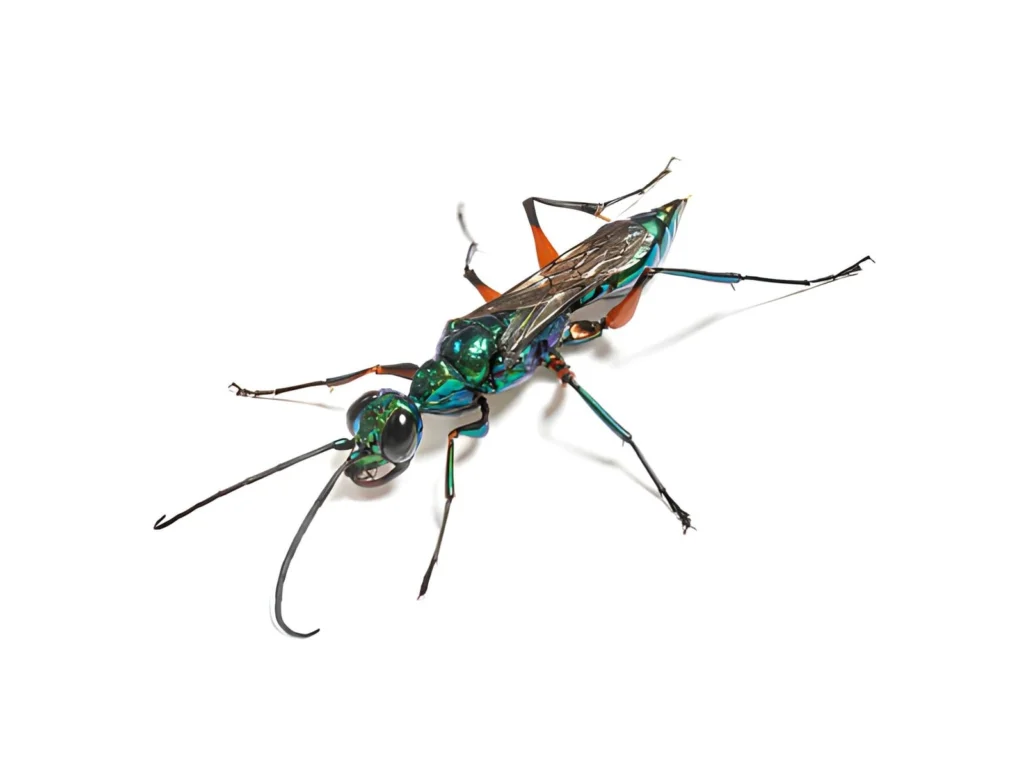
This bedazzling emerald-green wasp might be beautiful, but it’s also one of the most disturbing weirdest animals on the planet. Why? Because it turns cockroaches into zombies. Literally.
The horror movie process: The jewel wasp (also called the emerald cockroach wasp) will hunt cockroaches much larger than itself. After a brief fight, the wasp delivers two precise stings: one to paralyze the front legs, and a second DIRECTLY INTO THE BRAIN. This second sting injects a venom that hijacks the cockroach’s free will.
What happens next is nightmare fuel: The cockroach doesn’t die – it becomes a docile zombie. The wasp then leads it by the antenna (like a dog on a leash) to a burrow, lays an egg on the zombie cockroach’s leg, and buries them both alive. The wasp larva hatches and eats the still-living cockroach from the inside out, saving the vital organs for last to keep its meal fresh.
Where they live: Tropical and subtropical regions worldwide
Scientific interest: Researchers study this venom because it could help treat Parkinson’s disease and other neurological conditions. These bizarre animals might be horrifying, but they could also save human lives.
The zombie roach survives for over a week as living food storage. If that’s not one of the strangest animals on earth, I don’t know what is.
9. Platypus – The Animal That Broke Every Biology Rule
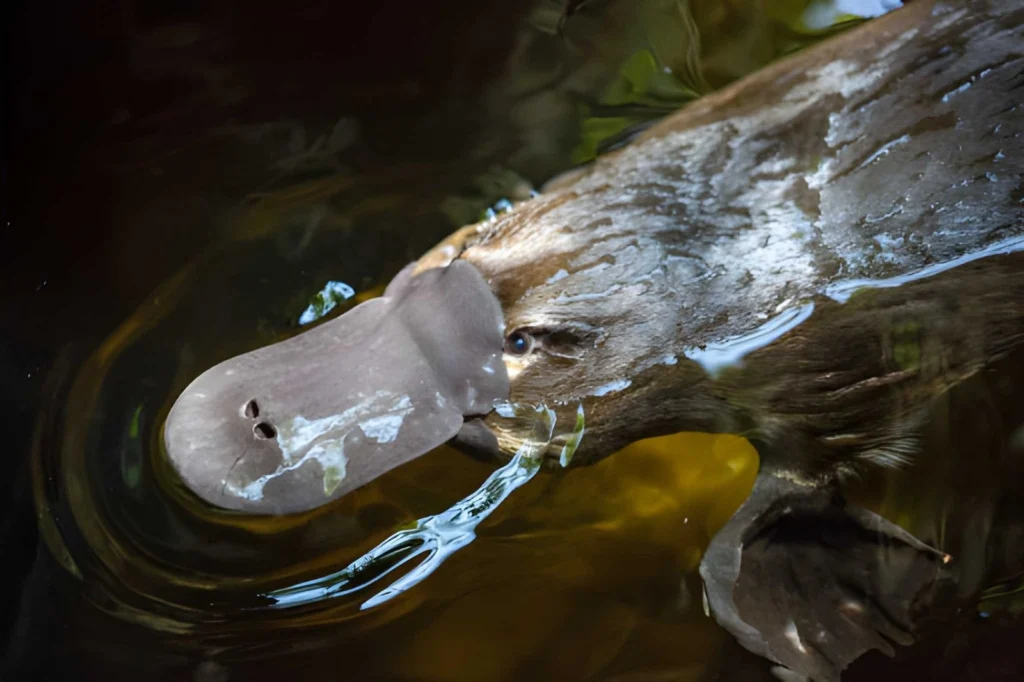
When European scientists first saw a platypus specimen in 1798, they thought someone was playing a prank. They literally tried to find the stitches where the “fake” duck bill was attached to the beaver body. This remains the ultimate example of weirdest animals that shouldn’t exist but do anyway.
Why it’s so impossibly weird: The platypus has: a duck’s bill, a beaver’s tail, otter feet, lays eggs like a reptile, produces milk but has NO NIPPLES (milk oozes through skin pores – gross), males have venomous spurs on hind legs, and it hunts using electroreception like sharks. Oh, and it has NO STOMACH. Food goes straight from esophagus to intestines.
Breaking all the rules: It’s one of only five egg-laying mammals (monotremes) on Earth. It sweats milk through its skin for babies to lap up. Males produce venom powerful enough to kill a dog. It closes its eyes, ears, and nose when diving, navigating entirely by detecting electric fields from prey muscle contractions.
Where they live: Eastern Australia and Tasmania
Conservation status: Currently listed as “near threatened” due to habitat loss. Losing this bizarre animal would be like losing a museum of evolutionary weirdness.
Why it exists: The platypus split from other mammals about 166 million years ago, keeping ancient features while other mammals evolved differently. It’s basically a living time capsule showing what early mammals might have looked like.
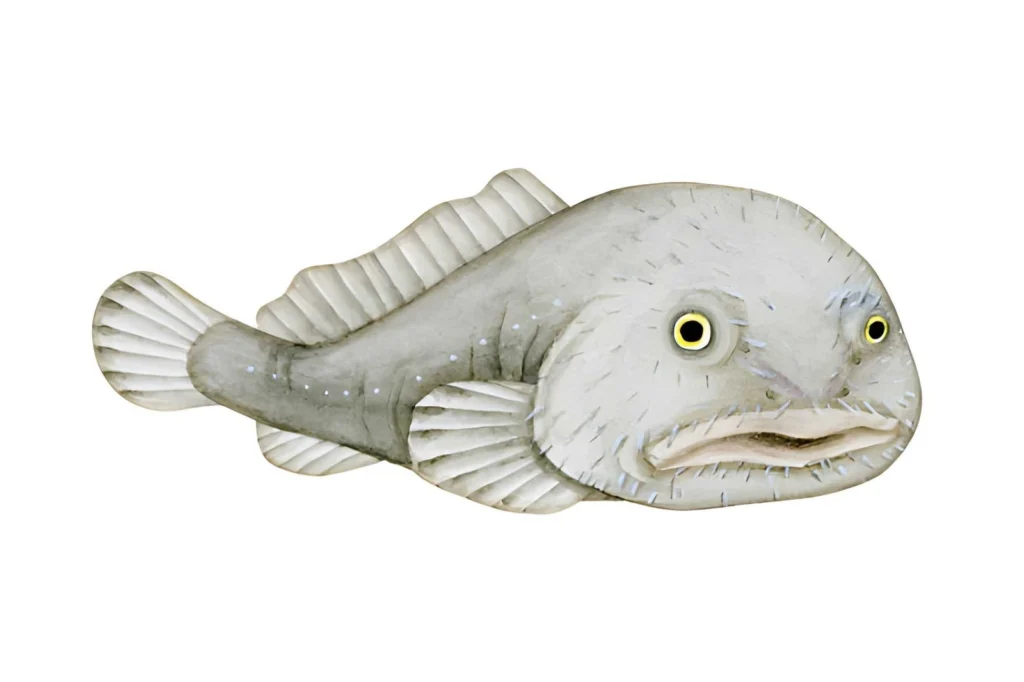
10. Blobfish – The “Ugly” Fish That’s Actually Misunderstood
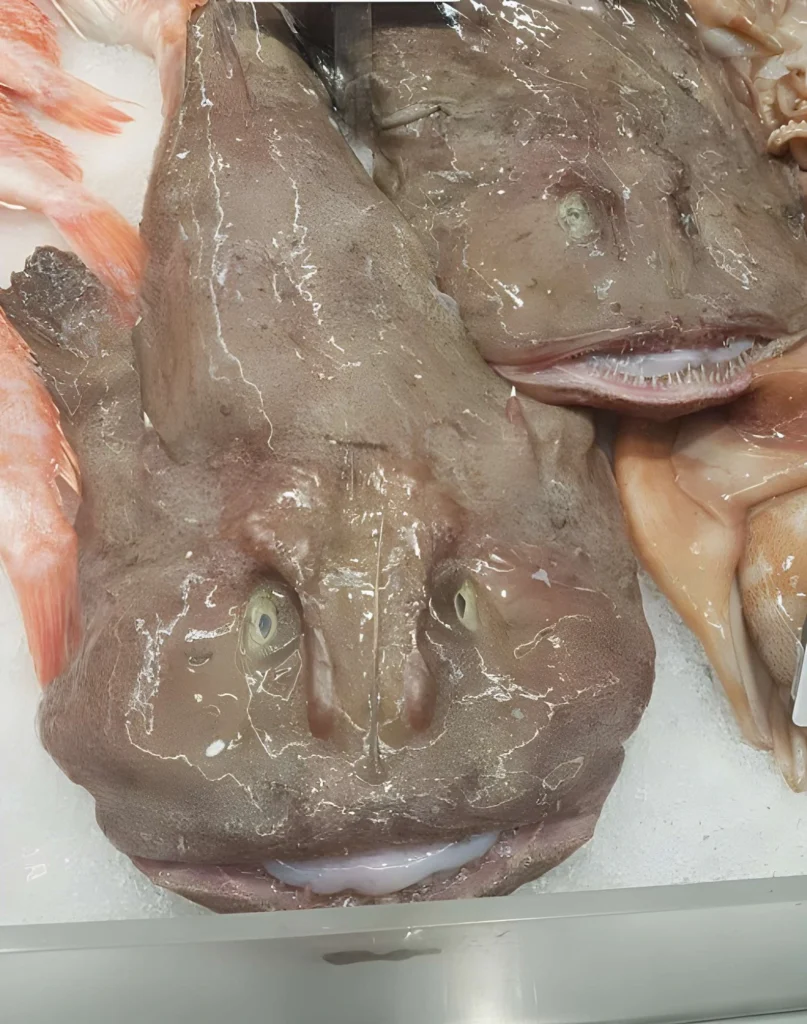
You’ve seen the photos. That sad, droopy, gelatinous face that won the “World’s Ugliest Animal” contest in 2013. But here’s the plot twist: the weirdest animals in the world often look totally different in their natural habitat, and the blobfish is Exhibit A.
The truth about blobs: In its natural home 2,000-4,000 feet deep in the ocean, the blobfish looks like a fairly normal fish. Down there, water pressure is 60-120 times stronger than at the surface. Its jelly-like, low-density body (made of gelatinous tissue) helps it float effortlessly without expending energy.
Why the viral photos look so sad: Those “ugly” photos? That’s what happens when you drag them to the surface. The rapid pressure change causes them to expand and deflate like a sad balloon. Their tissue, which is perfectly adapted for extreme pressure, basically falls apart in low pressure. It’s like judging a deep-sea diver’s appearance while they’re experiencing the bends.
Where they live: Deep waters off Australia, Tasmania, and New Zealand
Sad reality: Blobfish are often caught as bycatch in deep-sea trawling. Because they’re so slow-moving and don’t produce many offspring, they’re vulnerable to overfishing. These weird-looking animals deserve better than being called ugly – they deserve protection.
Defense: The blobfish’s gelatinous body has no muscles, so it just floats above the seafloor waiting for food to drift by. It’s peak lazy evolution, and honestly? Relatable.
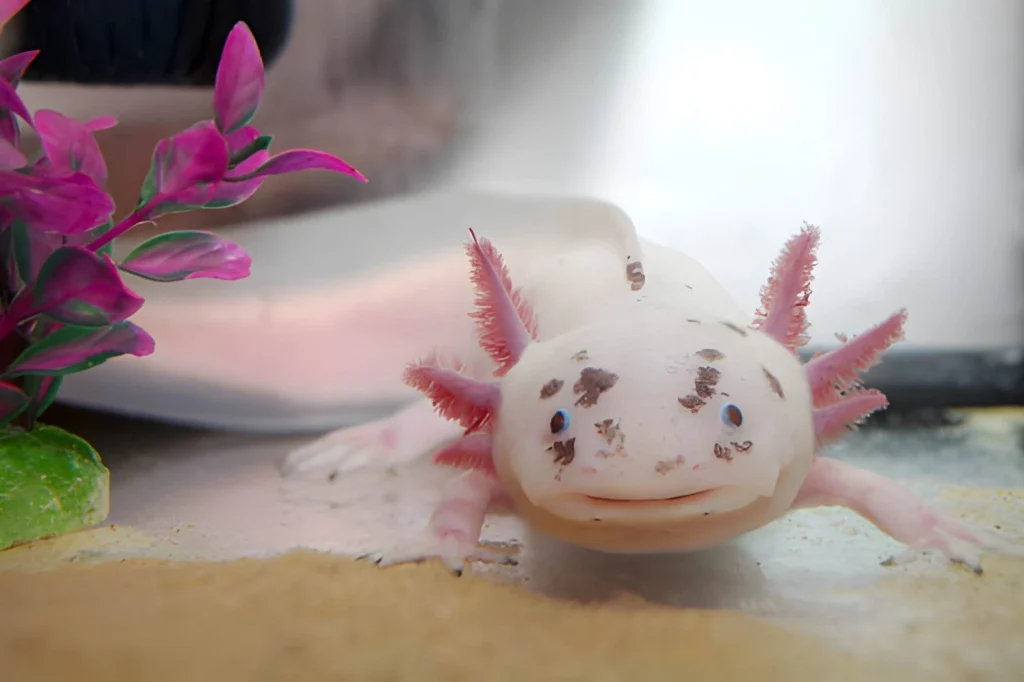
11. Axolotl – The Smiling Salamander That Never Grows Up
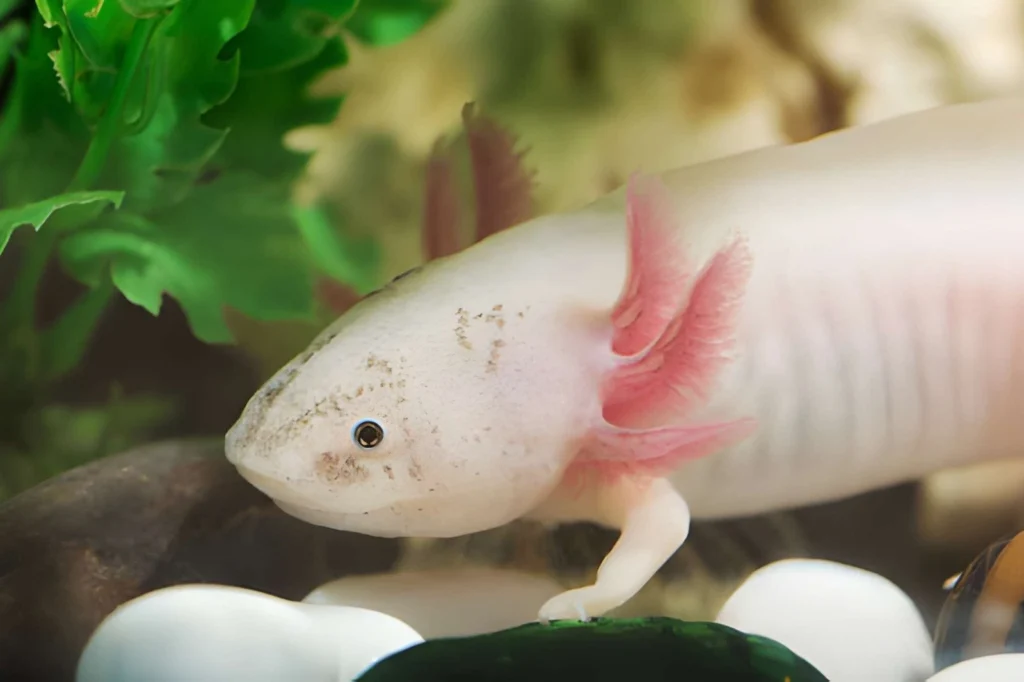
With its permanent smile, feathery pink gills, and adorable face, the axolotl looks like a Pokemon came to life. But don’t let the cuteness fool you – this is one of the weirdest animals in terms of biology.
The regeneration superpower: Axolotls can regrow entire limbs, parts of their spinal cord, heart tissue, and even portions of their BRAIN. Lost a leg? No problem, grow a perfect replacement in weeks. Scientists are desperately studying them, hoping to unlock regeneration secrets for human medicine.
The Peter Pan syndrome: While most salamanders grow up, develop lungs, and move to land, axolotls said “nah” and stay as aquatic babies forever. This is called neoteny – remaining in juvenile form for their entire lives. They reach sexual maturity but keep their baby features, including those feathery external gills.
Where they live: Lake Xochimilco in Mexico (critically endangered in wild)
Weird varieties: In the wild, they’re usually dark brown or black. The famous pink/white ones are leucistic (lacking pigment) and were bred in labs. There are also golden albinos and even melanistic (all black) versions.
Conservation crisis: They’re nearly extinct in the wild due to pollution and habitat loss. But they’re bred successfully in captivity worldwide, making them one of the most studied unusual animals in science.
Want more regeneration weirdness? Check out how strong ants actually are – they can lift 50 times their weight!
12. Mantis Shrimp – The Tiny Rainbow Boxer With Superpowers
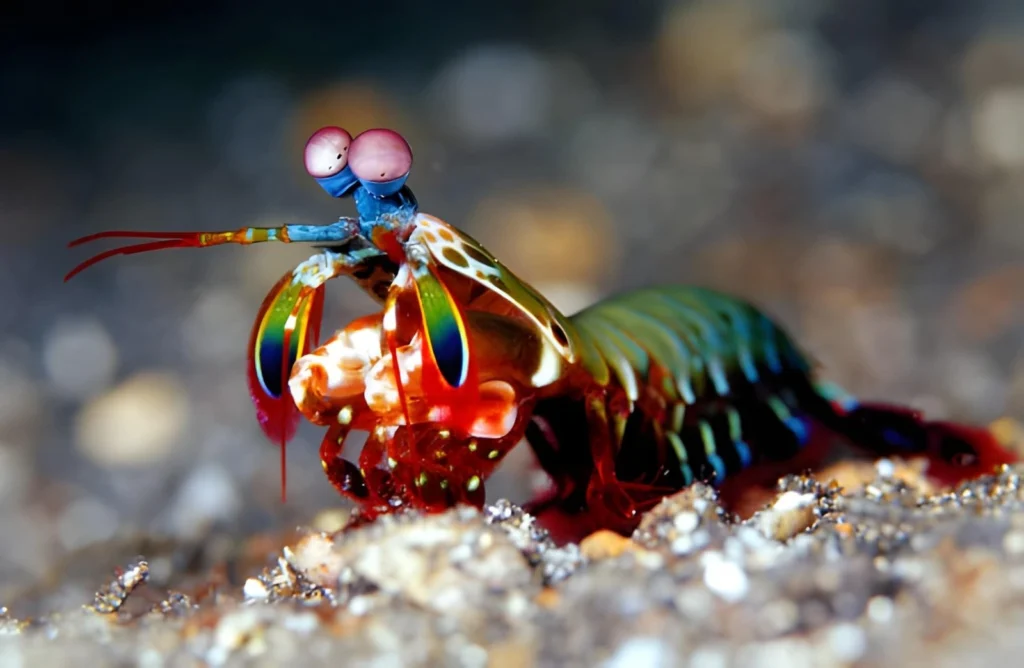
Don’t let the word “shrimp” fool you. The mantis shrimp is basically an underwater superhero that can punch with the force of a .22 caliber bullet, see colors humans can’t imagine, and has been around longer than dinosaurs. These weirdest animals on earth are absolutely wild.
The devastating punch: Their strike is so fast (50 mph in milliseconds) that it boils the water around their claw, creating a cavitation bubble that collapses with a shockwave. Even if they MISS, the shockwave can kill or stun prey. The force is around 100 times their body weight. They’re called “thumb splitters” by aquarium workers for good reason.
Those impossible eyes: While humans have 3 color receptors, mantis shrimp have 16! They can see ultraviolet, infrared, and polarized light. They literally see a world of colors that our brains can’t even process. Each eye moves independently and has trinocular vision (depth perception in ONE eye).
Where they live: Tropical and subtropical ocean waters worldwide
Aquarium nightmare: They can break through aquarium glass with their punches and have injured countless handlers. Some species have spear-like appendages instead of clubs, which they use to impale fish. These crazy animals come in “smashers” and “spearers” varieties.
Ancient warriors: These bizarre animals have been around for over 400 million years – they survived multiple mass extinctions that wiped out dinosaurs.
Scientists are studying their eyes to develop better cameras and sensors. These unusual creatures might revolutionize technology.
13. Star-Nosed Mole – The Alien-Faced Speed Eater
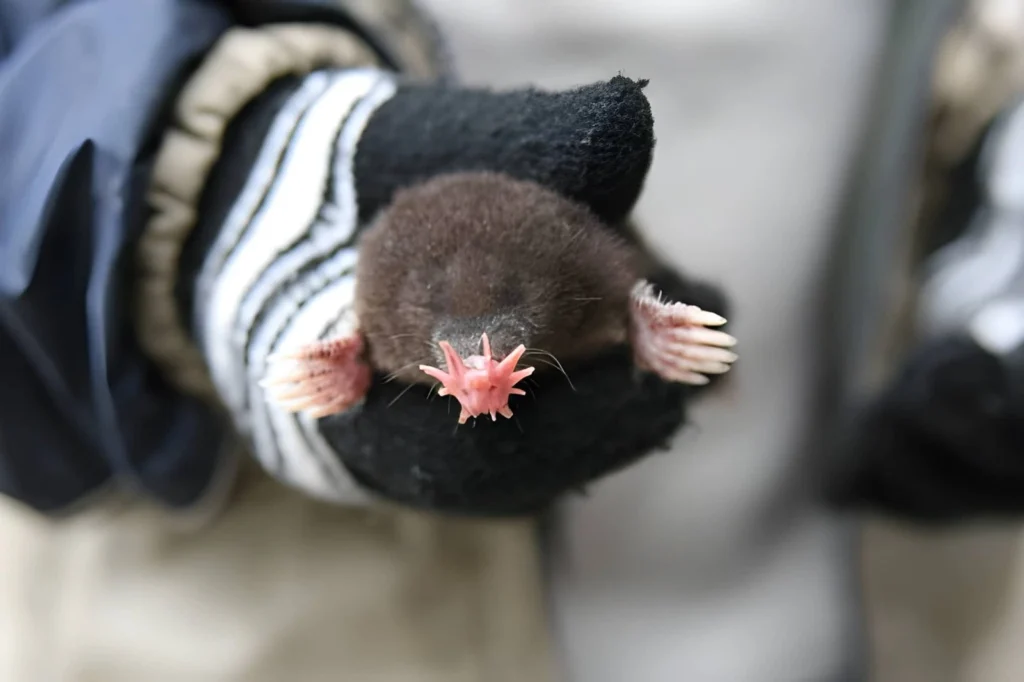
Imagine a mole with 22 pink, fleshy tentacles wiggling around its nose like a Lovecraftian nightmare. That’s the star-nosed mole – and it’s even weirder than it looks.
That alien nose: Those 22 tentacles aren’t for grabbing – they’re packed with over 25,000 sensory receptors called Eimer’s organs, making it the most sensitive touch organ in the entire mammal world. The nose has more sensory receptors than your entire hand!
Fastest eater alive: This weird animal can identify and eat food in 120 milliseconds – that’s EIGHT TIMES faster than you can blink. It speed-samples its environment, touching 10-12 objects per second while hunting. Your brain hasn’t even processed “there’s food” before it’s already eaten and moved on.
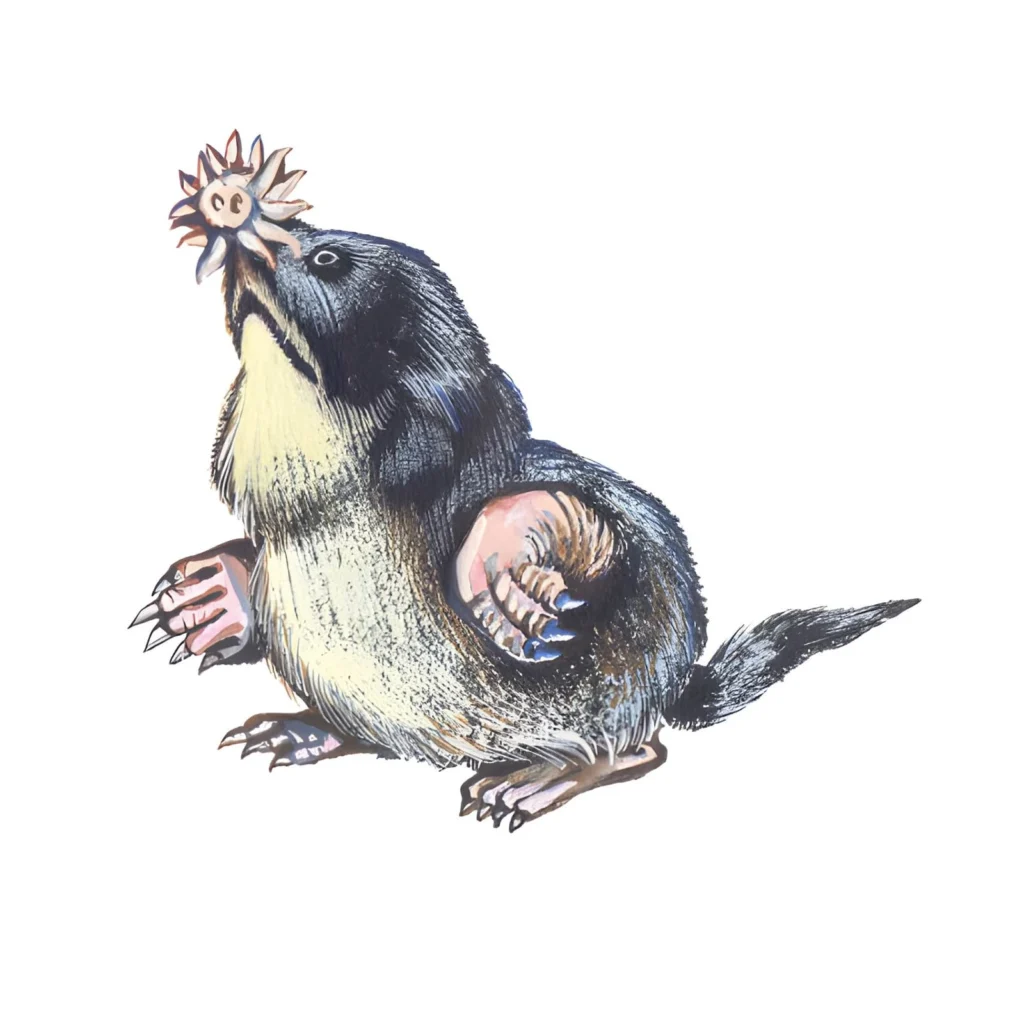
Underwater smell: Star-nosed moles can smell underwater! They blow air bubbles onto objects and suck them back into their nose, detecting scent molecules in the bubbles. Only two mammals can do this (the other is the water shrew).
Where they live: Wet lowlands of eastern Canada and northeastern United States
Seismic detection: They can detect seismic waves through the ground, basically feeling vibrations from prey moving nearby. They’re like tiny, blind geologists of the animal kingdom, navigating underground by touch and vibration alone.
These strange-looking animals prove that losing one sense (vision) can lead to developing something even more impressive.
14. Naked Mole Rat – The Zombie Rodent That Doesn’t Age or Get Cancer
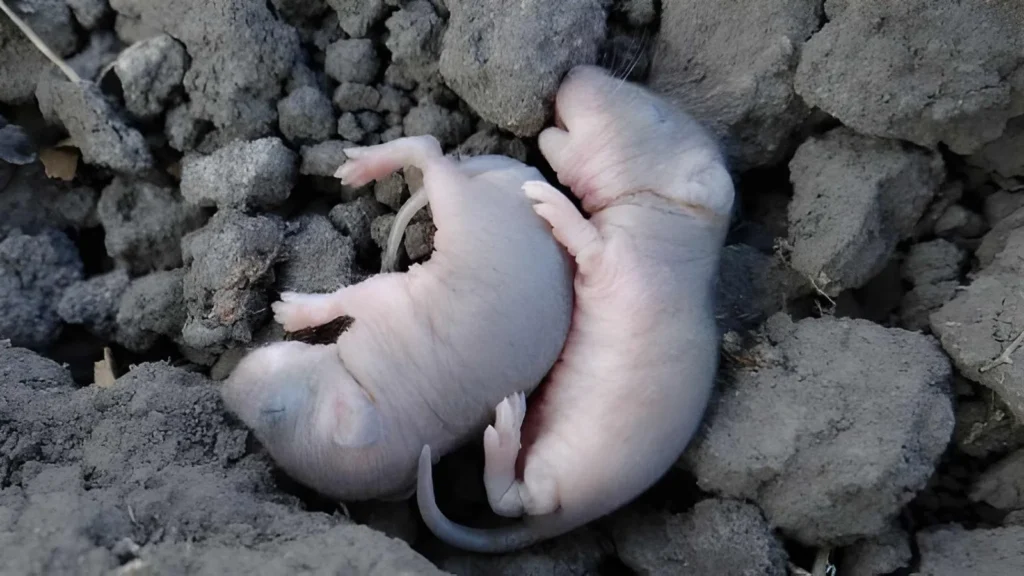
If you think you’ve had a rough morning, imagine being a hairless, wrinkly rodent with buck teeth living underground forever. Yet somehow, the naked mole rat is one of the coolest weirdest animals on the planet.
The immortal rodent: These bizarre animals can live up to 32 years (most rodents live 2-3 years). They don’t seem to age – a 30-year-old naked mole rat has the same mortality risk as a 1-year-old. They barely feel pain, can survive 18 minutes without oxygen, and simply DON’T GET CANCER. Scientists have never observed cancer in naked mole rats.
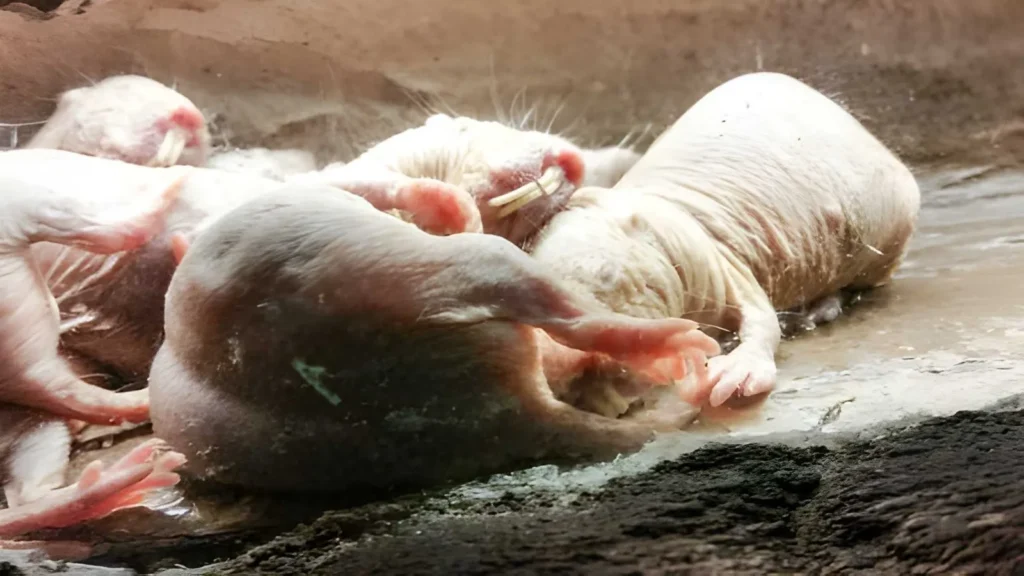
The eusocial lifestyle: Like ants or bees, they live in colonies with a queen who’s the only breeding female. The rest are workers, soldiers, and yes… “toilet cleaners” who maintain designated bathroom chambers. They’re the only eusocial mammals on Earth.
Where they live: Underground burrows in East Africa
Why scientists obsess: NASA and medical researchers study these freaky animals intensely. If we can figure out how they resist cancer and aging, it could revolutionize human healthcare. They might hold the key to extending human lifespan.
Weird abilities: They can move their front teeth independently like chopsticks for digging. They can run backwards just as fast as forwards. And they can survive in air with only 3% oxygen (humans need at least 20%).
15. Hoatzin – The Stinkbird With Claws on Its Wings
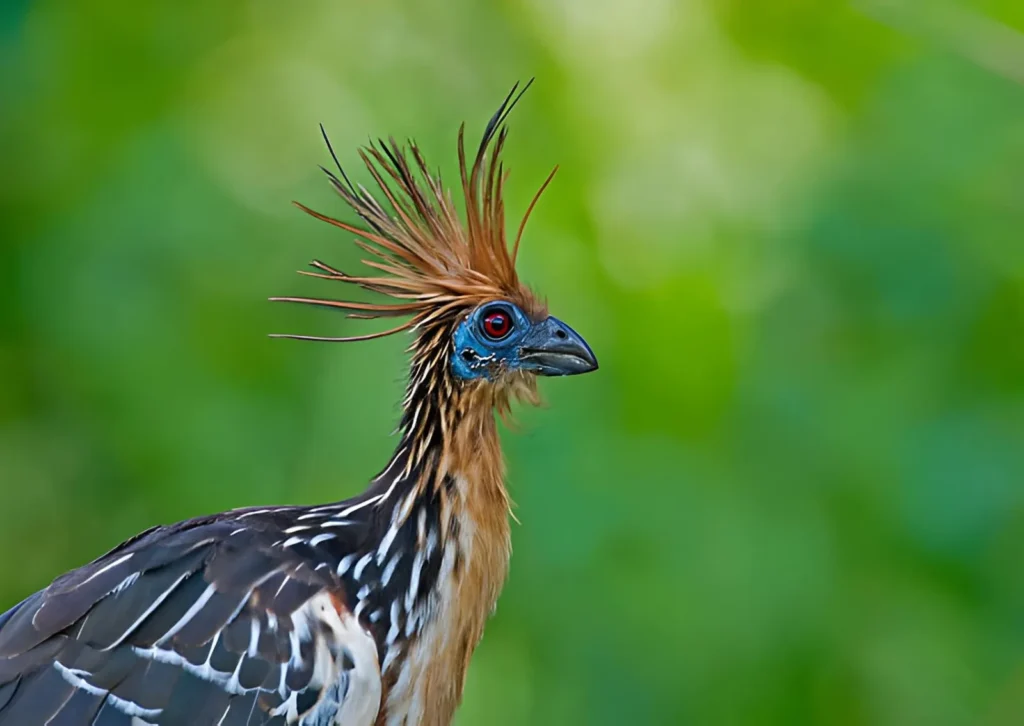
Meet the hoatzin – a bird so weird it’s been called “the most bizarre bird in the world” by ornithologists. And when scientists say something is bizarre, you know it’s REALLY weird.
Baby dinosaurs? Hoatzin chicks are born with claws on their wings! These claws help them climb trees if they fall into water (which happens often because they nest above rivers). Once they’re adults, the claws disappear. It’s like nature gave them temporary training wheels made of dinosaur parts.
Why they smell like manure: Adult hoatzins ferment vegetation in a specialized crop (like a cow’s stomach), which produces a manure-like smell. Hence the nickname “stinkbird.” They’re the only bird with a digestive system similar to ruminants. This fermentation makes up 13% of their body weight in their crop alone.
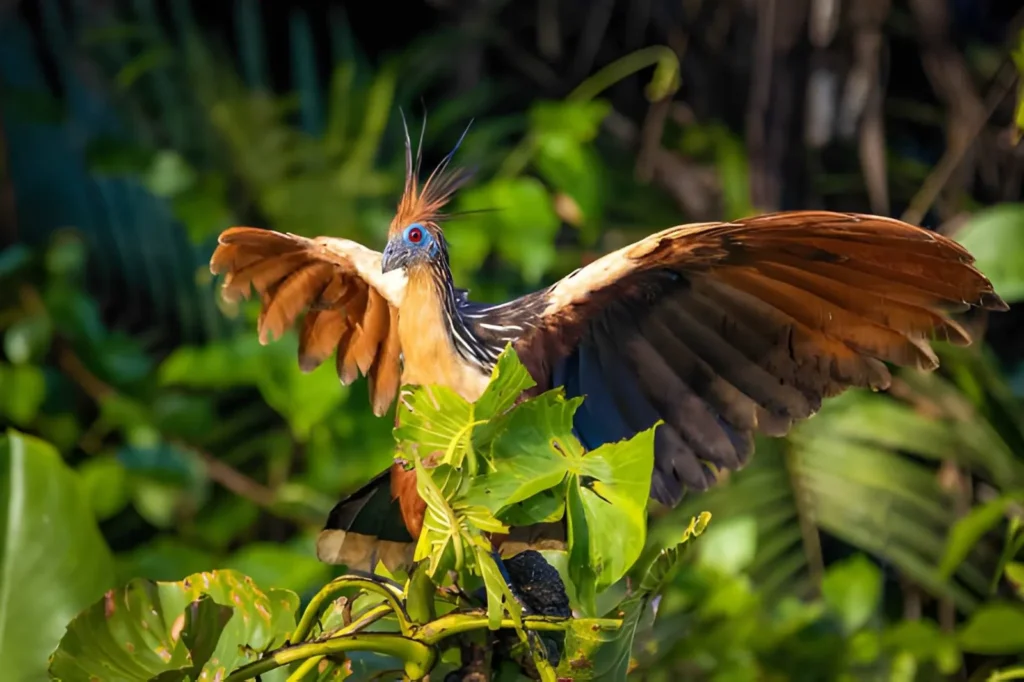
Where they live: Amazon and Orinoco river basins in South America
Terrible flyers: Because of their huge fermentation crop, they’re too heavy to fly well. They mostly hop from branch to branch, only flying short distances when necessary. These unusual animals traded flying ability for a unique diet.
Living fossils: Their evolutionary history is so confusing that scientists still debate what bird family they belong to. They’re basically evolutionary oddballs that don’t fit anywhere.
Learn about another bird with unusual traits – the most poisonous bird that can harm you!
16. Tarsier – The Bug-Eyed Primate With Rotating Heads
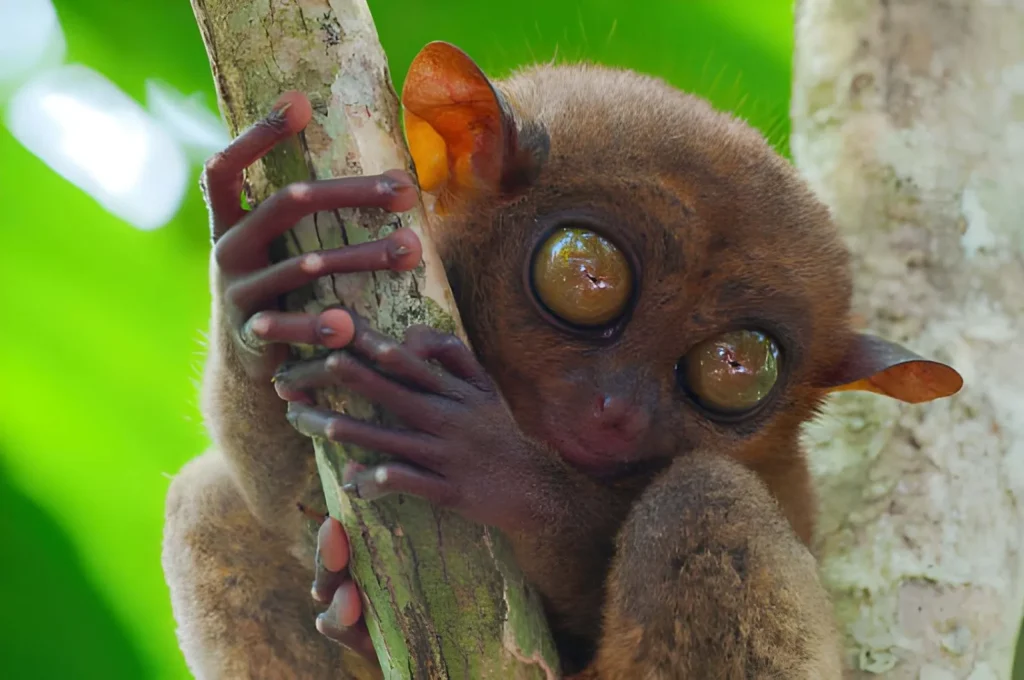
With each eye literally bigger than its brain, the tarsier has the largest eyes relative to body size of any mammal. These weird-looking animals look like nature’s version of anime characters.
Those impossible eyes: Their eyes are so huge they can’t move them in their sockets at all. Instead, they rotate their entire head 180° like an owl. This helps them hunt silently at night. Each eyeball weighs more than its brain!
Only carnivorous primate: While most primates eat some plants, tarsiers are 100% carnivorous – eating only insects, lizards, and small animals. No fruits, no leaves, nothing green. Just meat. They’re also the only primates that communicate primarily through ultrasonic calls that humans can’t hear.
Where they live: Southeast Asian islands (Philippines, Borneo, Sulawesi)
Ancient survivors: These strange animals are some of the oldest living primates, dating back at least 55 million years to the Paleocene-Eocene Thermal Maximum (PETM), when Earth experienced extreme warming.
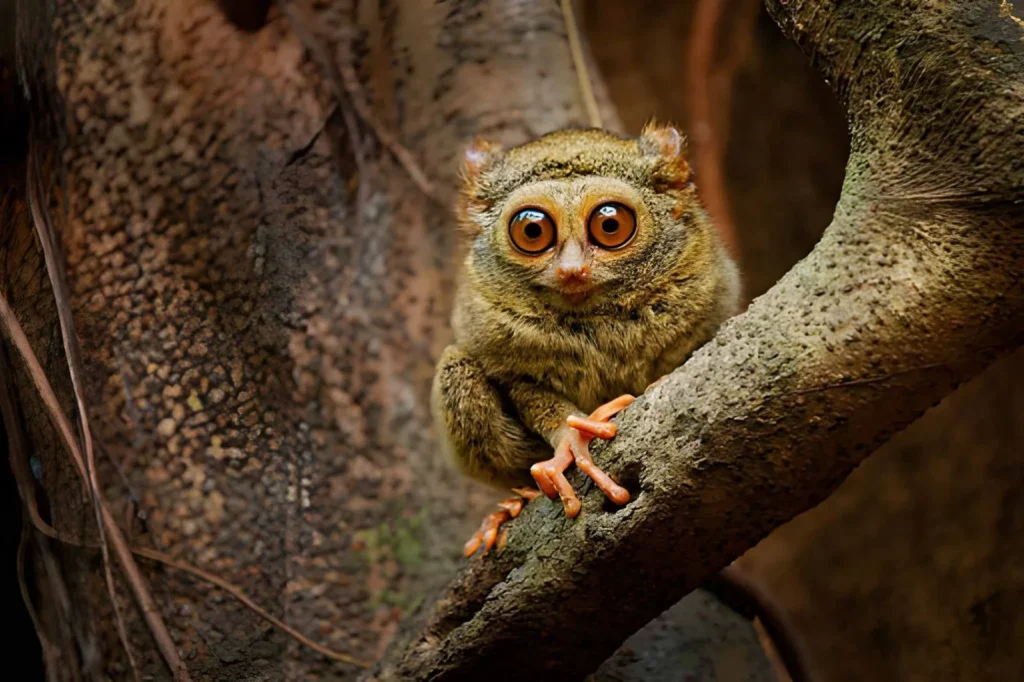
Stress sensitive: Tarsiers are so stress-prone that they can literally die from stress. In captivity, they sometimes bash their heads against cage bars until they die. They’re NOT good pets and it’s illegal to keep them in most places.
Suicide risk: They have the highest suicide rate of any animal when kept in captivity. These unusual creatures need their wild rainforest homes.
17. Pink Fairy Armadillo – The Adorable Sand Swimmer
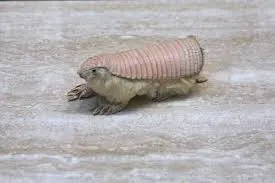
Imagine a fuzzy white caterpillar wearing a pink shell as a backpack. That’s the pink fairy armadillo – the smallest armadillo species and possibly the cutest weirdest animal on this list.
Why it’s pink: That distinctive pink color isn’t paint – it’s blood being pumped into their shell for thermoregulation. The shell helps them control body temperature in the hot, arid climate where they live. When it’s hot, more blood flows to the shell to release heat. When cold, blood flow decreases.
The sand swimmer: At only 13cm (5 inches) long, these tiny unusual animals spend most of their lives underground in Argentina’s sandy plains. They’re also called “sand swimmers” because they can navigate through sand like it’s water, using their shovel-like claws and torpedo-shaped body.
Where they live: Sandy plains of central Argentina
Almost unknown: Scientists know almost nothing about these obscure animals because they’re nearly impossible to study. They’re mostly active at night, spend most time underground, and are incredibly rare. Every sighting is scientifically precious.
DO NOT keep as pets: They die extremely quickly from stress in captivity – often within hours. Despite their adorable appearance, they belong in the wild, not in homes.
These rare animals prove that sometimes the cutest creatures are also the most mysterious!
18. Great Potoo – The Tree Stump Bird That Sees With Eyes Closed
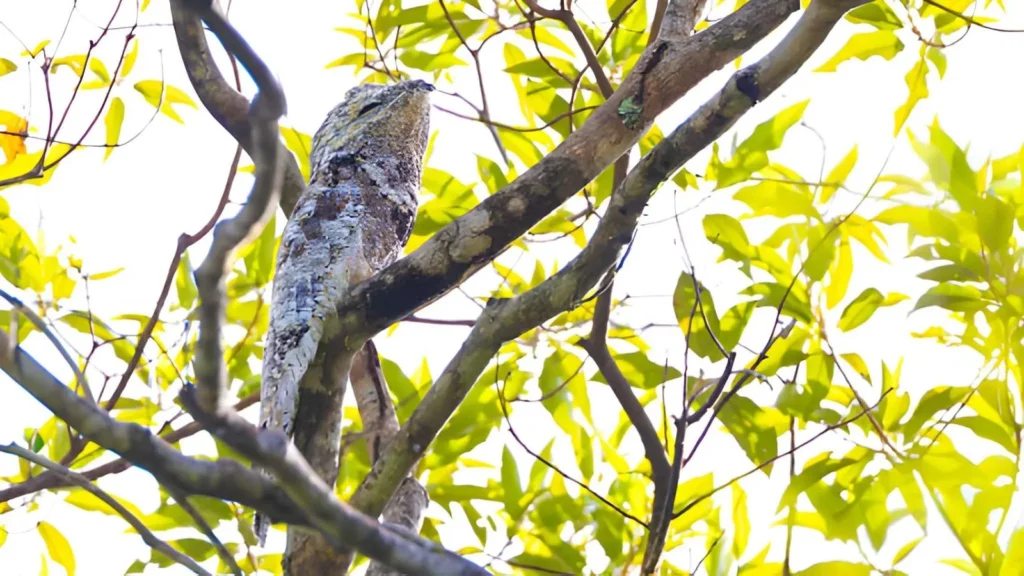
During the day, the great potoo sits perfectly still on a tree branch, looking EXACTLY like a broken tree stump. Its camouflage is so perfect that you could walk right past it and never know.
Master of disguise: This carnivorous bird is found mostly in tropical America, and it’s perfected the art of hiding in plain sight. It positions itself at an angle on branches to maximize the tree-stump illusion, even matching the color and texture of the bark.
The creepy eyes: Here’s the wild part: it can see even when its eyes are closed! The great potoo has tiny openings (slits) below its eyelids, allowing it to monitor its surroundings without giving away its position by opening its eyes. Imagine a statue that’s secretly watching you.
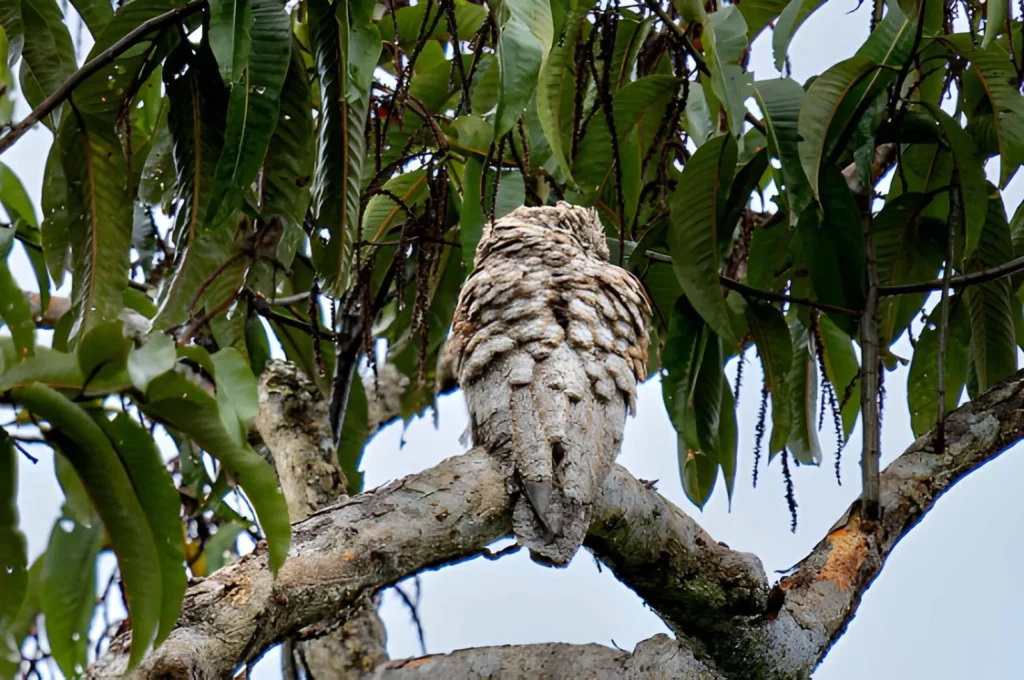
Where they live: Central and South America
Nocturnal hunter: At night, these weird animals come alive, flying out to catch insects mid-flight with their enormous mouths. Despite having a tiny beak, their gape is HUGE – they basically have a mouth that opens like a trap.
Haunting call: Their vocalizations sound like ghostly moans echoing through the forest at night. Local legends often associate them with supernatural spirits.
These strange-looking animals are proof that sometimes the best defense is to look like the most boring thing possible – until it’s too late.
19. Muntjac Deer – The Barking Deer With Inflating Facial Glands
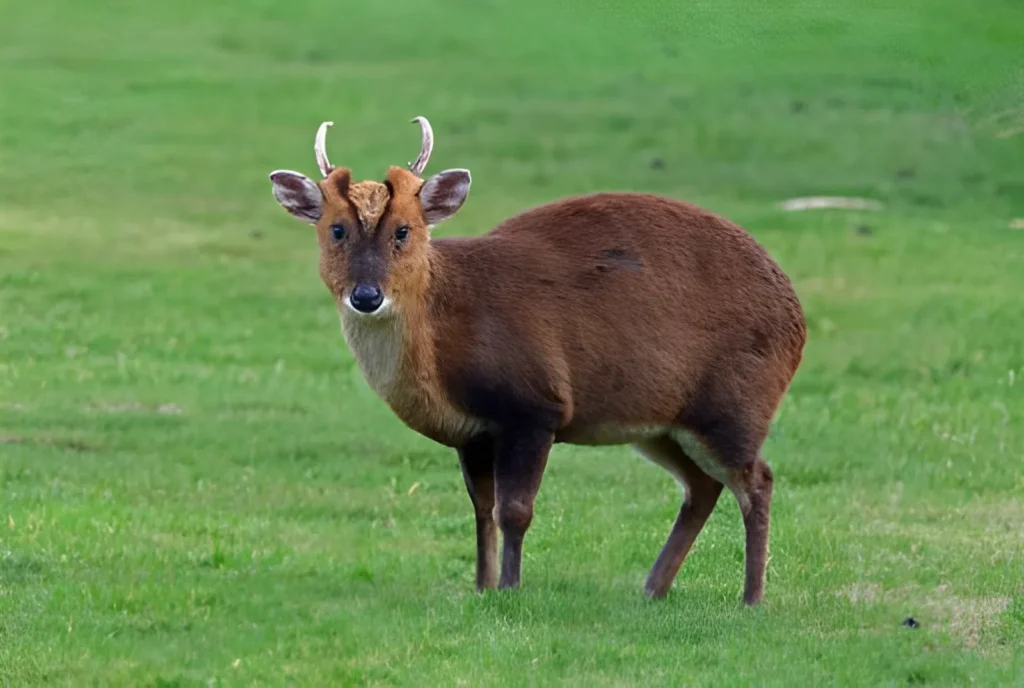
Often called the “barking deer” because of their dog-like alarm calls, muntjac deer are small, stocky mammals with one of the weirdest features in the mammal world: inflating facial glands that can turn inside out.
The viral gland moment: Muntjacs have scent glands below their eyes that can open so wide they actually turn inside out, revealing the pink tissue inside. When they’re excited or marking territory, these glands inflate dramatically. Videos of this have gone viral because it looks absolutely bizarre – like their face is opening up to reveal an alien inside.
Where they live: Native to Southeast Asia but now common in British countryside (introduced species). They’re one of the oldest deer species, having barely changed in 15-35 million years.
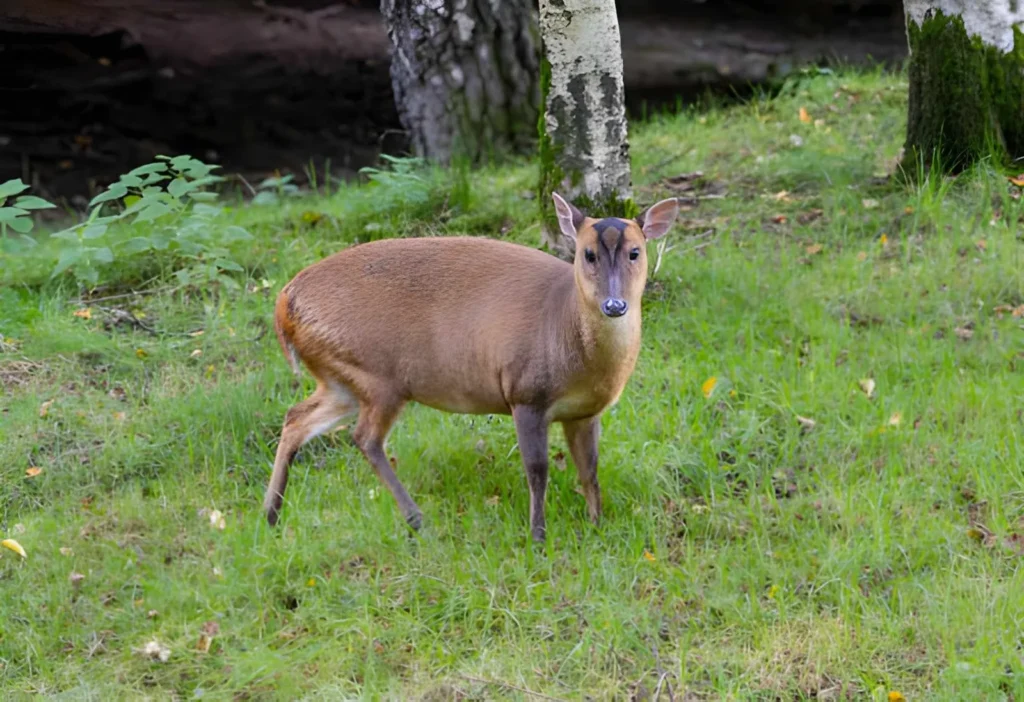
Vampire fangs: Male muntjacs have small antlers but also grow tusk-like canine teeth that protrude from their upper jaw. They use these for fighting other males during mating season. Combined with the face glands, they look like small vampire deer.
Weird behaviors: They can breed all year round (unusual for deer), and they’re mostly solitary. They’re also surprisingly loud for such small animals – their bark can carry for over a kilometer.
These unusual animals prove that even common woodland creatures can hide seriously weird features!
20. Uakari – The Bald Monkey With a Tomato-Red Face
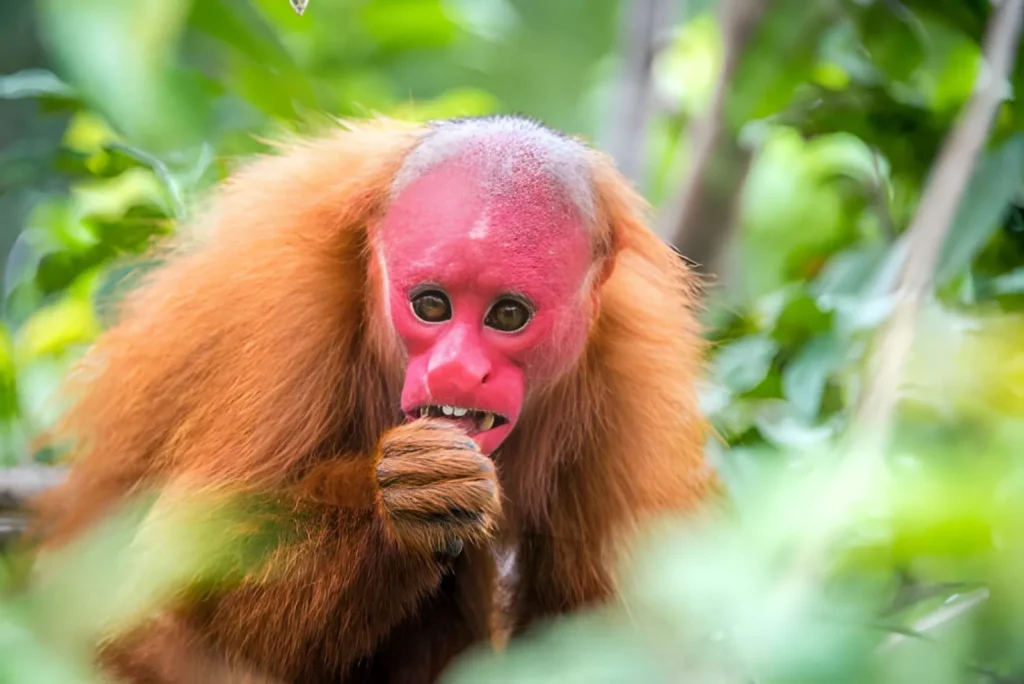
No, they haven’t been sunburned or washing their face with beetroot. The healthiest male uakaris have the reddest faces, and females know it.
Sexual selection by redness: Female uakaris choose mates based on how red their faces are. Redder face = healthier male with better genes. It’s like nature’s version of a dating app where your profile pic needs to be REALLY red to get swipes. This weird animal literally judges books by their covers.
Why the red face: The red color comes from blood vessels close to the skin. When a male is sick or malnourished, his face pales. So females can instantly assess mate quality just by looking. It’s brutally efficient evolution.
Where they live: Amazon rainforest in Brazil and Peru
Short tail weirdness: Most New World monkeys have long, prehensile tails for grabbing branches. Uakaris have short, stumpy tails that are basically useless. They compensate with incredible jumping ability, leaping up to 20 meters between trees.
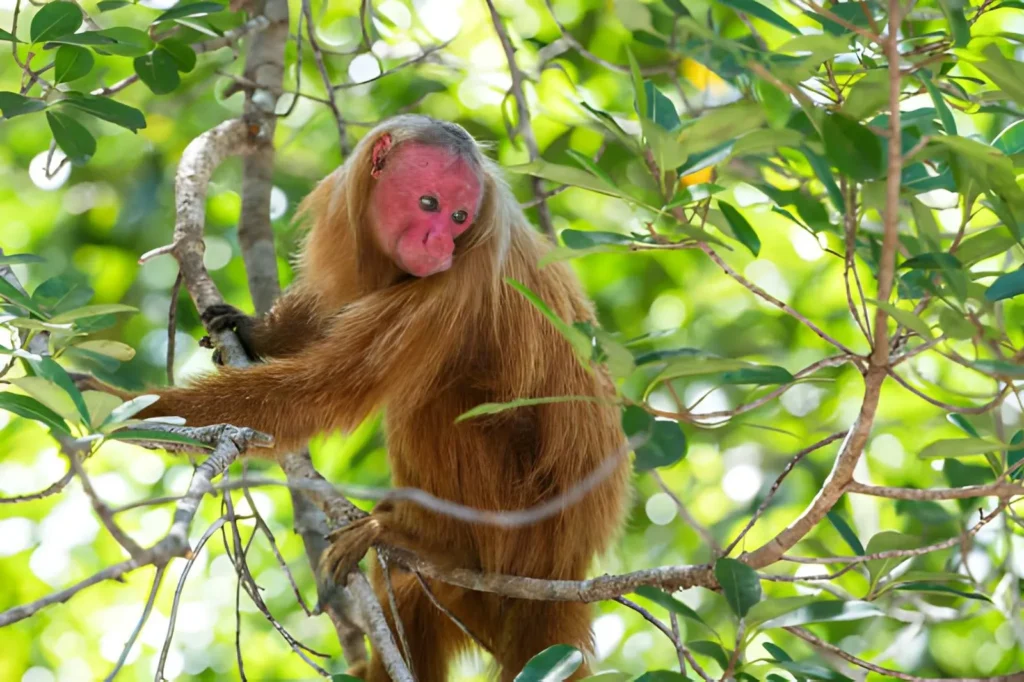
Intelligence: Despite their odd appearance, these strange animals are highly intelligent and social, living in groups of 10-30 individuals. They use complex vocalizations to communicate.
Conservation: Habitat loss threatens uakari populations. Their specific dietary needs (eating seeds and unripe fruit) make them vulnerable to forest fragmentation.
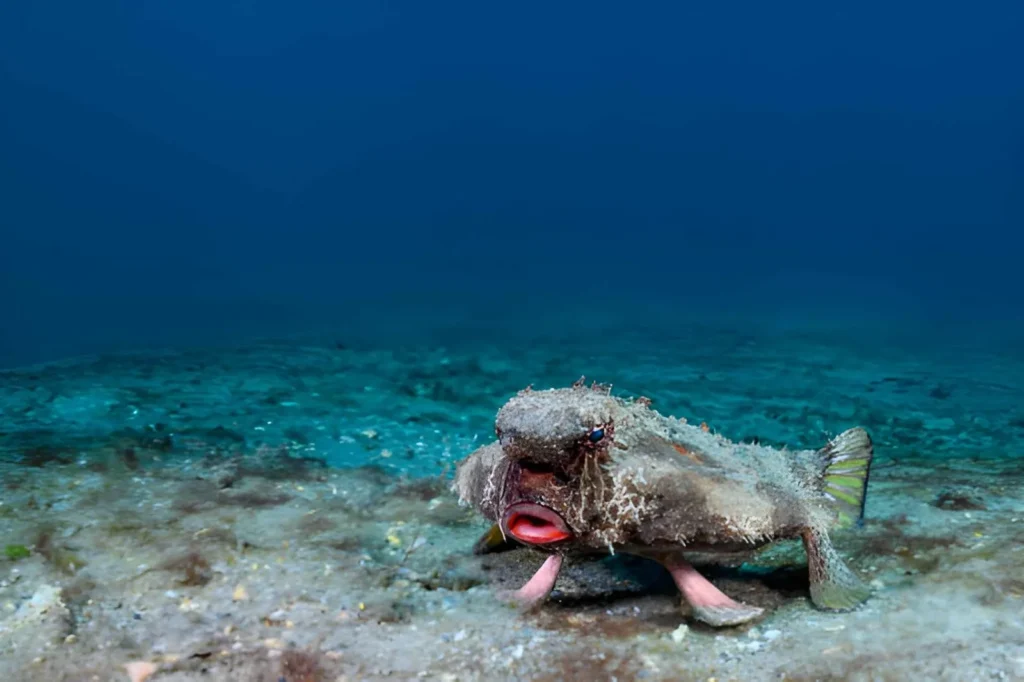
21. Red-Lipped Batfish – The Walking Fish Wearing Lipstick
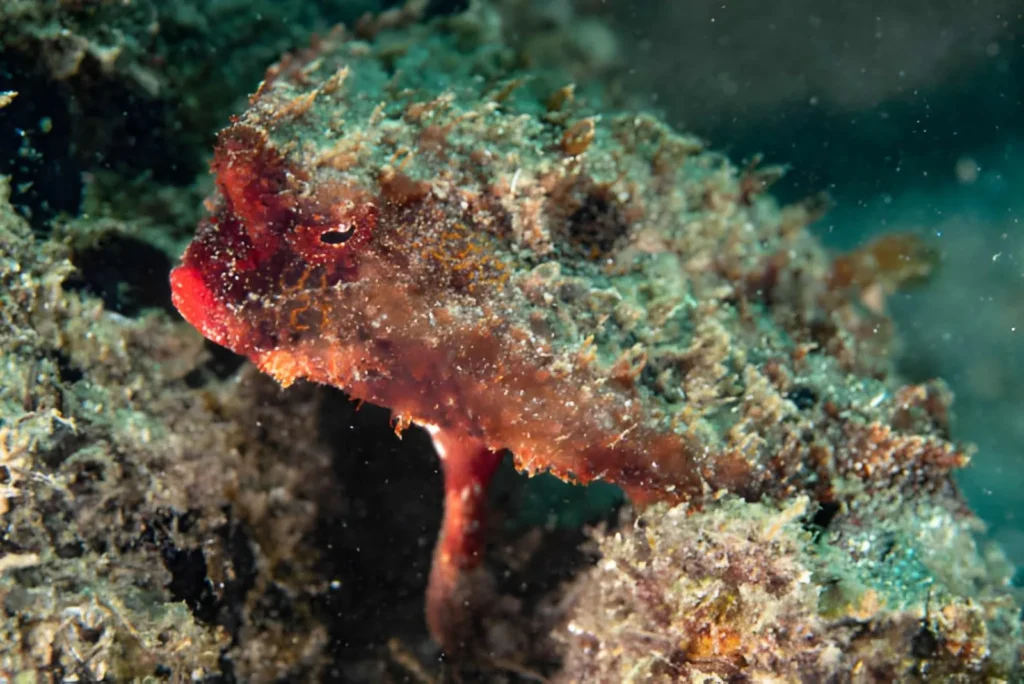
Pucker up! Endemic to the Galápagos Islands, the red-lipped batfish looks like it applied bright red lipstick before a night out, then decided to walk on the seafloor instead of swimming.
Why it walks: This bizarre animal has modified pectoral and pelvic fins that function as legs. It waddles along the seafloor looking for small fish and crustaceans, rarely swimming. When it does try to swim, it looks drunk and uncoordinated. Evolution said “pick one: walking or swimming” and this fish chose walking.
The lipstick theory: Scientists believe those bright red lips might help attract mates, though more research is needed. It’s possibly the ocean’s most fashionable fish, always ready for a photo op.
Where they live: Deep waters around the Galápagos Islands
Poor swimmers: Their body shape and walking adaptation means they’re terrible swimmers. They prefer to waddle around on the seafloor using their “legs,” which is both adorable and utterly bizarre.
Luring prey: They have a modified dorsal fin spine that acts as a lure (called an illicium) to attract prey, similar to anglerfish. So they’re walking, lipstick-wearing, fishing fish.
These weird-looking animals prove that sometimes evolution just has fun with design!
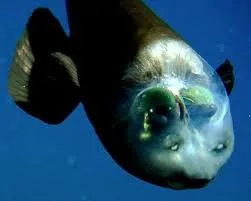
22. Pacific Barreleye Fish – The Transparent-Headed Deep-Sea Spy
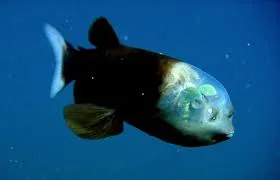
Looking more like a submarine than a fish, the Pacific barreleye (also called spook fish) has a completely transparent head so it can look upwards through the top of its skull. Yes, you read that right – TRANSPARENT HEAD.
The see-through skull: Its head is covered by a transparent shield filled with fluid, and its eyes are barrel-shaped tubes that typically point upward. This allows the fish to see the silhouettes of prey swimming above it in the deep ocean where light barely penetrates.
Rotating eyes: Scientists once thought the eyes were fixed upward, but researchers discovered they can actually rotate forward when the fish is feeding! This weird creature can look up to spot prey, then rotate its eyes forward to see where it’s going as it swims up to catch it.
Where they live: Deep waters of the Pacific Ocean (600-800 meters deep)
Why the transparent head? In the deep ocean, most predators look upward toward the faint light from the surface. Having eyes that point up (and a transparent head that doesn’t block the view) gives the barreleye a huge advantage.
Piggyback prey: They often steal food from siphonophores’ tentacles, carefully maneuvering around the stinging cells. Talk about risky dining!
These unusual animals show how life adapts to the extreme conditions of the deep sea.
23. Japanese Spider Crab – The 12-Foot Nightmare Crab
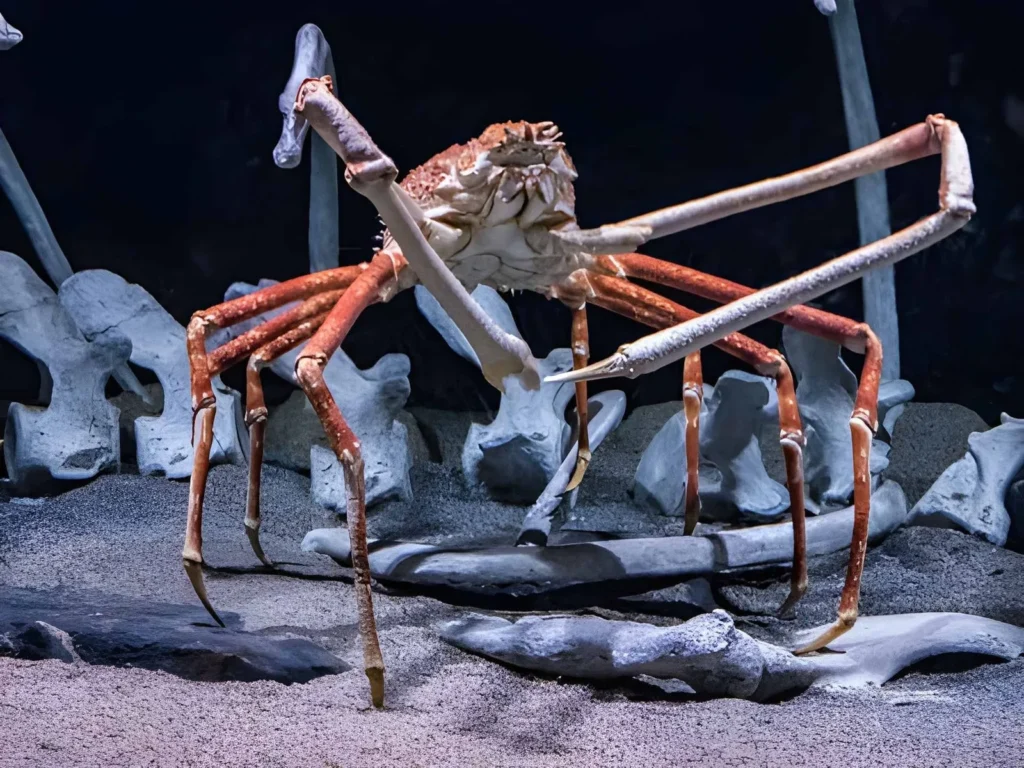
Imagine you’re diving in Japan and a crab with a 12-foot leg span comes walking toward you like a giant alien spider. That’s the Japanese spider crab – the world’s largest crab and one of the most terrifying weirdest animals in the ocean.
Massive size: With a leg span up to 3.7 meters (12 feet) and weighing up to 42 pounds, they’re considerably larger than a human. Yet they start life as microscopic planktonic larvae – one of millions the mother lays.
Ancient giants: These bizarre animals can live over 100 years, making them some of the longest-lived crustaceans. They’re essentially living fossils, barely changed over millions of years.
Where they live: Waters off Japan, particularly around Honshū island
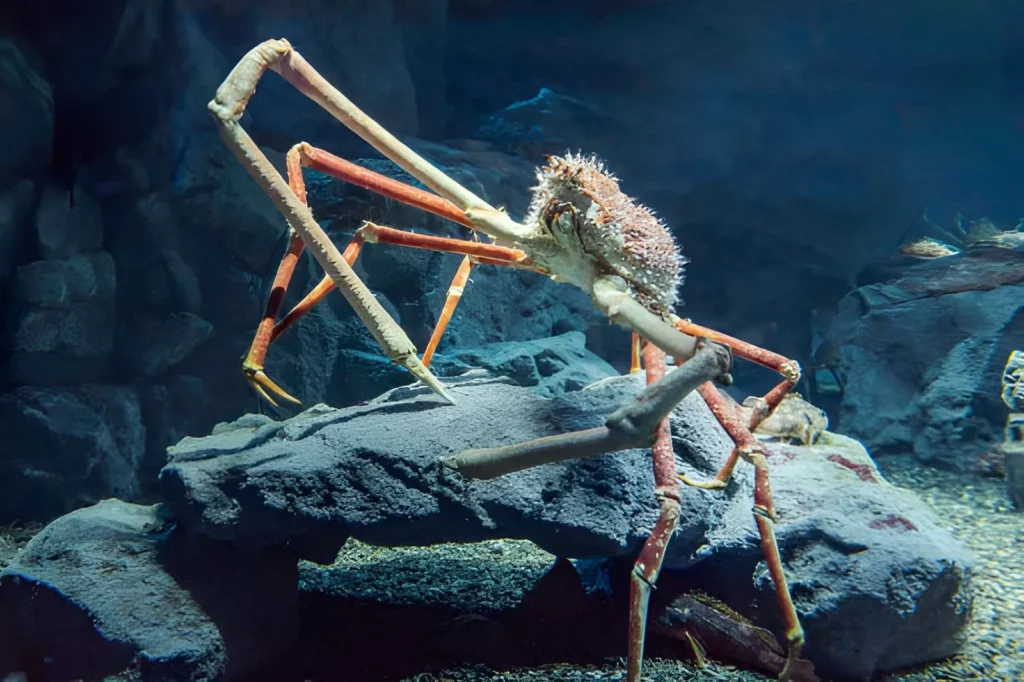
Gentle giants: Despite their terrifying appearance, they’re generally docile omnivores, eating algae, dead animals, and whatever they can scavenge. They’re slow-moving and their main defense is their intimidating size.
Molting process: When they molt (shed their shell to grow), they’re vulnerable for several hours. Larger crabs will even cannibalize smaller ones during this time.
These crazy looking creatures are popular in Japanese aquariums, where visitors can see just how massive they really are compared to humans.
24. Sarcastic Fringehead – The Fish With the Angriest Kiss Ever
When this fish attacks, it looks like the Demogorgon from Stranger Things. The sarcastic fringehead might have a funny name, but its territorial displays are absolutely terrifying.
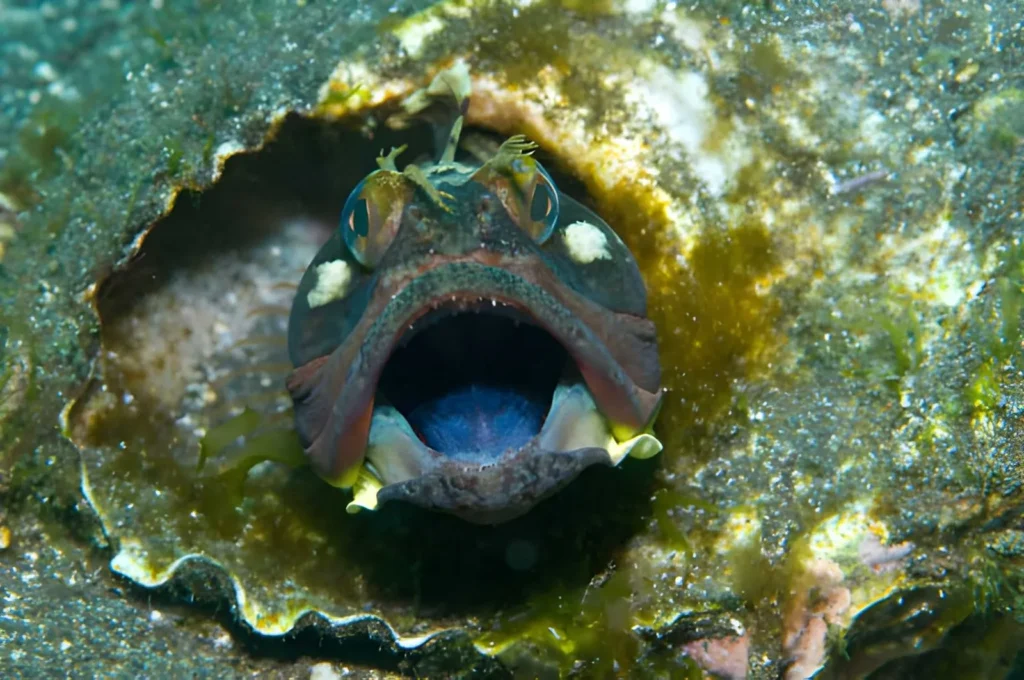
The jaw attack: With its enormous head, this weird animal flares open its mouth to an impossible width, essentially turning its face inside-out. When two males fight over territory, they literally press their wide-open mouths together in what looks like aggressive kissing. The fish with the bigger mouth usually wins.
Why “sarcastic”? The name comes from the Greek “sarx” (flesh) and “kephale” (head), referring to its fleshy head-crest. But given its aggressive personality, “sarcastic” seems oddly fitting.
Where they live: Pacific coast of North America, from San Francisco to Baja California
Tiny terrors: Despite being only 30cm long, they’re incredibly aggressive and territorial. They live in shells, holes, or crevices and will attack anything that comes near – even divers!
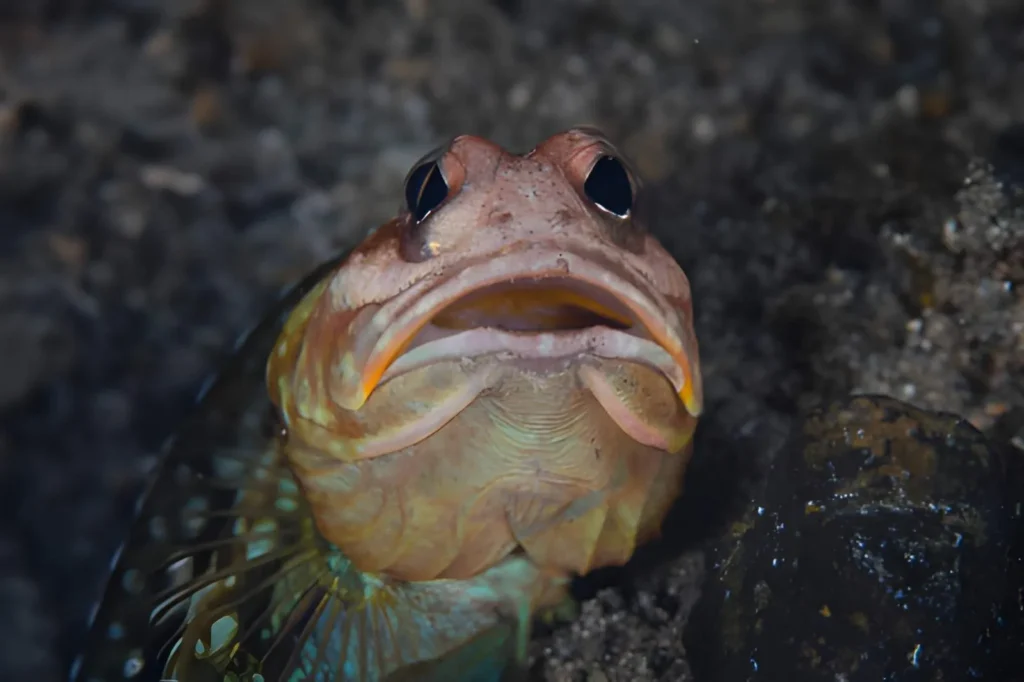
Colorful fury: During aggressive displays, their normally brownish bodies flash brilliant patterns of red, orange, and blue. It’s like they have built-in anger visualization.
These strange animals prove that some of the smallest fish have the biggest attitudes!
25. Bird-Dropping Spider – The Ultimate Poop Impersonator
This spider looks EXACTLY like fresh bird poop. And that’s not an accident – it’s one of the most effective disguises in nature.
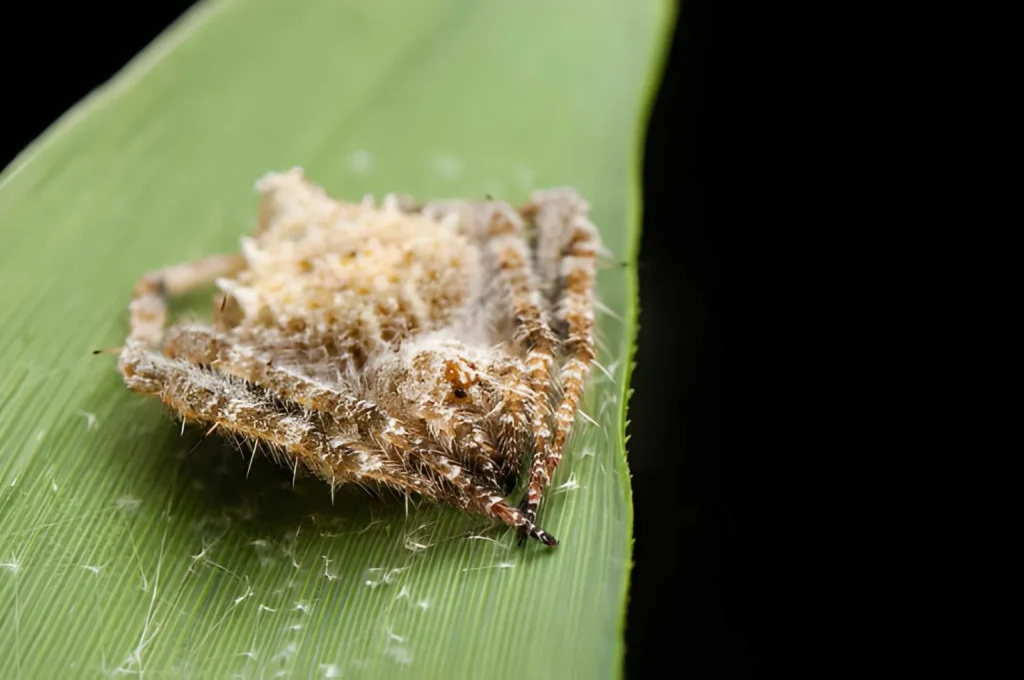
Master of gross mimicry: During the day, this weird creature sits huddled on a leaf, looking indistinguishable from a bird dropping. The coloring, shine, and even positioning are perfect. Predators see it and think “gross, bird poop” and move on. It’s survival through being unappealing.
The night deception: But the disguise doesn’t end there. At night, this crafty spider stretches out its forelegs and releases pheromones that mimic female moth sex hormones. Male moths, thinking they’re about to get lucky, fly right into what they think is a mate… and get eaten instead.
Where they live: Australia, New Zealand, and some parts of Asia
Multiple species: “Bird-dropping spider” actually refers to several spider species that use this camouflage strategy. Evolution invented this trick multiple times because it works so well.
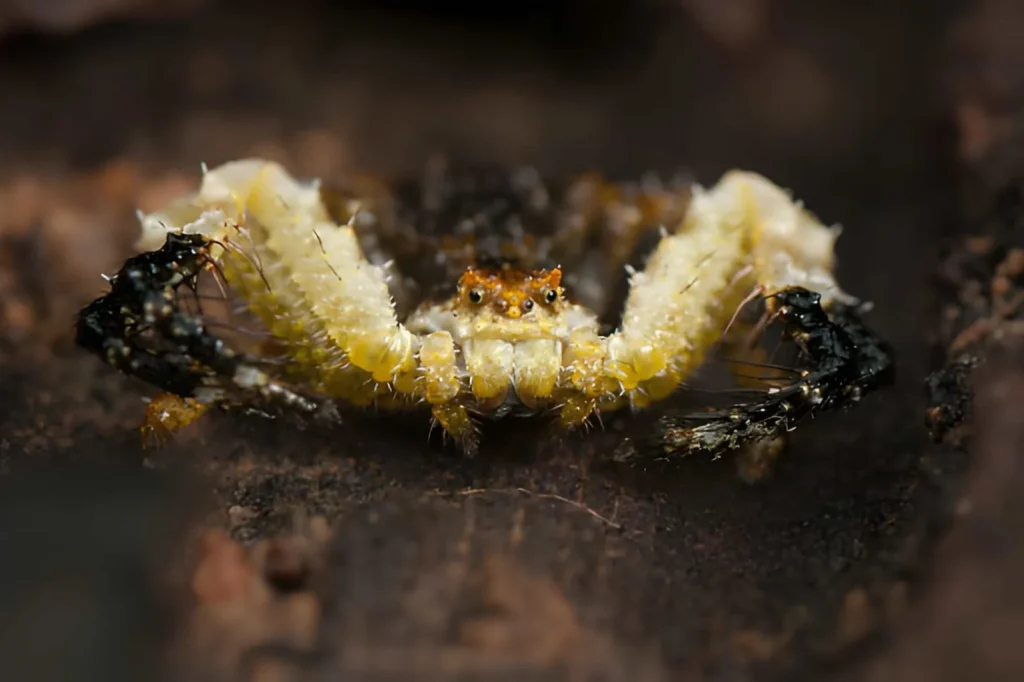
Effectiveness: Studies show predators avoid these spiders during the day 95% of the time. Turns out looking like poop is one of the best survival strategies out there.
These unusual creatures prove that sometimes the grossest solution is the smartest one!
26. Thistledown Velvet Ant – The Fluffy “Ant” That’s Actually a Wasp
Despite the name, this fuzzy creature is actually a wasp. And despite its cute, cotton-ball appearance, it packs a POWERFUL sting.
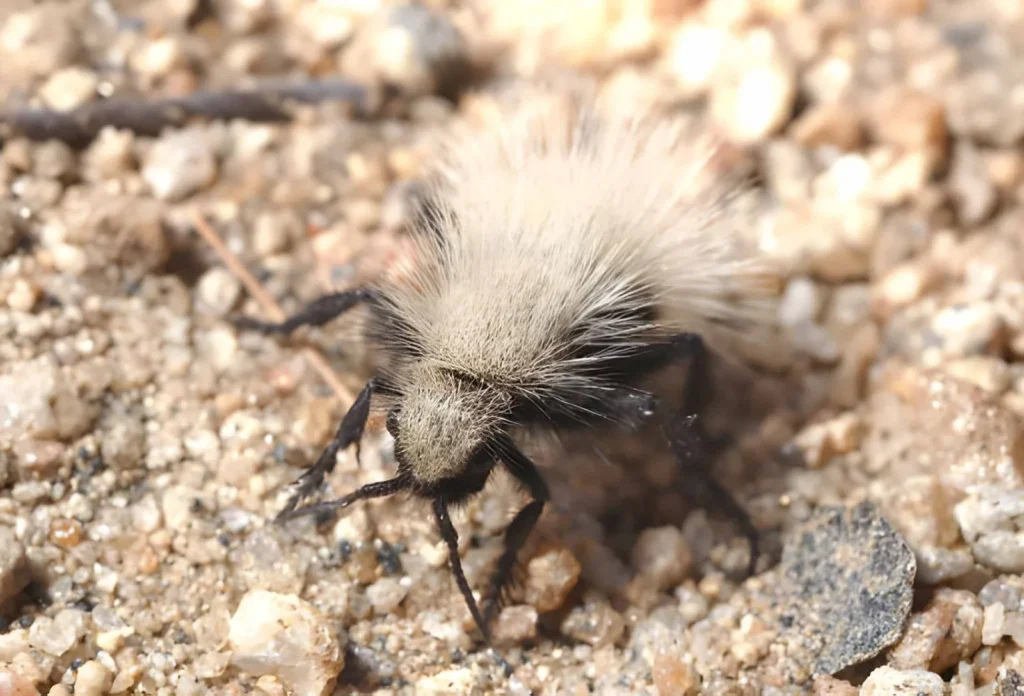
Fluffy disguise: Covered in dense white bristles, these weird animals look like thistledown (plant fluff) blowing across the desert. This camouflage helps them blend in with creosote bush fruits and reflects intense desert heat.
The painful truth: Wingless females can deliver extremely painful stings – velvet ants are sometimes called “cow killers” because the sting is supposedly strong enough to kill a cow (it’s not, but it REALLY hurts). The pain is rated 3 out of 4 on the Schmidt Sting Pain Index.
Where they live: Deserts of southwestern United States
Sexual dimorphism: Males have wings and look like typical wasps. Females are wingless and look like fuzzy ants. They’re so different-looking that early scientists thought they were separate species.
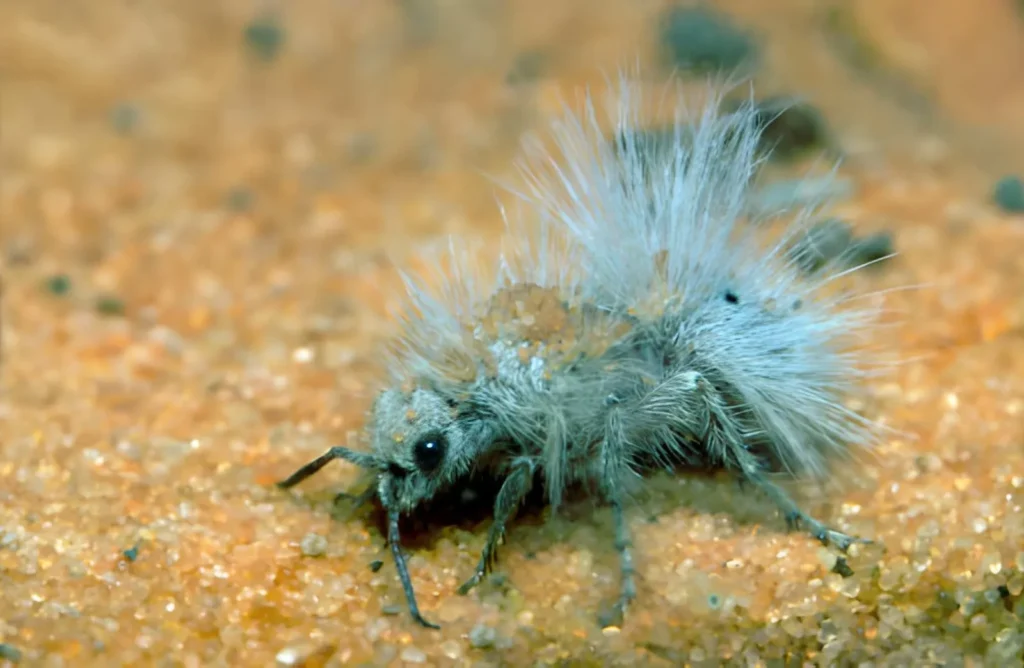
Tough exoskeleton: Female velvet ants have incredibly hard exoskeletons – they’ve been observed being run over by cars and walking away unharmed!
These fuzzy animals prove that cute and deadly often go together in nature!
27. Pink River Dolphin – The Amazon’s Blushing Giant
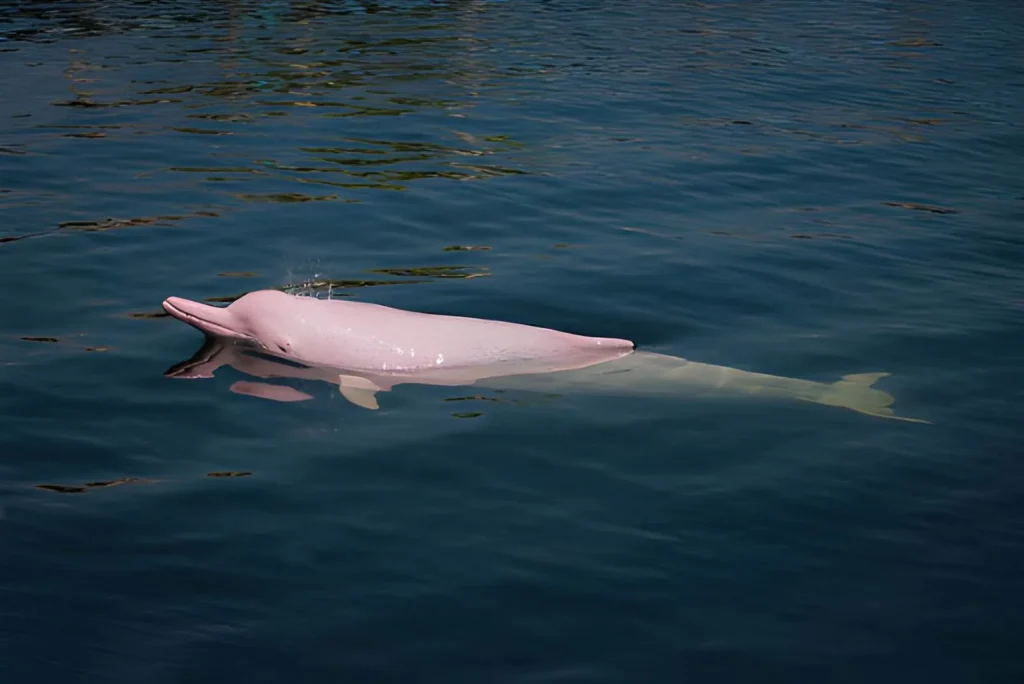
This freshwater cetacean is the largest species of river dolphin, and yes, they’re actually PINK. Not just a little pink – some are hot pink like they’ve been dipped in paint.
Why they turn pink: Pink river dolphins are born grey and become pinker with age. The final color depends on behavior, diet, water temperature, and how close capillaries are to the skin. More active, aggressive males tend to be pinker because of increased blood flow and scarring.
Super flexible: Unlike ocean dolphins, pink river dolphins can turn their heads 90 degrees (ocean dolphins have fused neck vertebrae). This helps them navigate through flooded forests and hunt in shallow water.
Where they live: Amazon and Orinoco river basins
Mythology: Local legends say they transform into handsome men at night to seduce women. In some areas, they’re considered sacred and killing one brings bad luck.
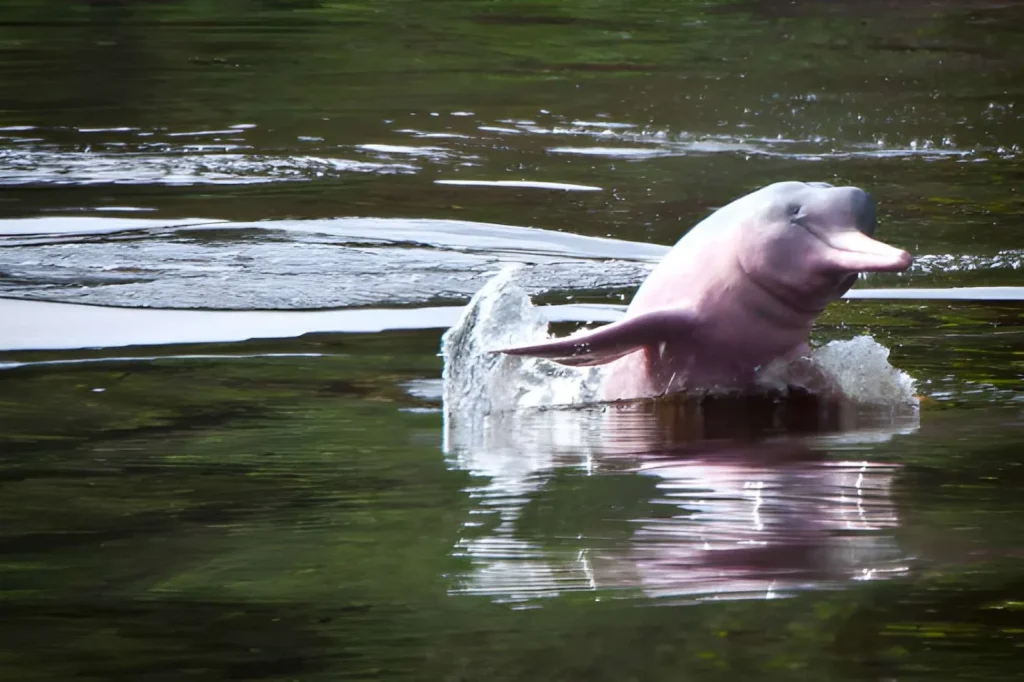
Intelligence: They have the largest brains and bodies of any freshwater dolphin and are considered highly intelligent, using echolocation that’s more sophisticated than ocean dolphins.
These bizarre animals prove that evolution creates some beautiful oddities!
28. Goblin Shark – The Living Fossil With a Projectile Jaw
If nightmares had a mascot, it’d be the goblin shark. This pink, flabby deep-sea predator looks like something that crawled out of prehistoric times – because it basically did.
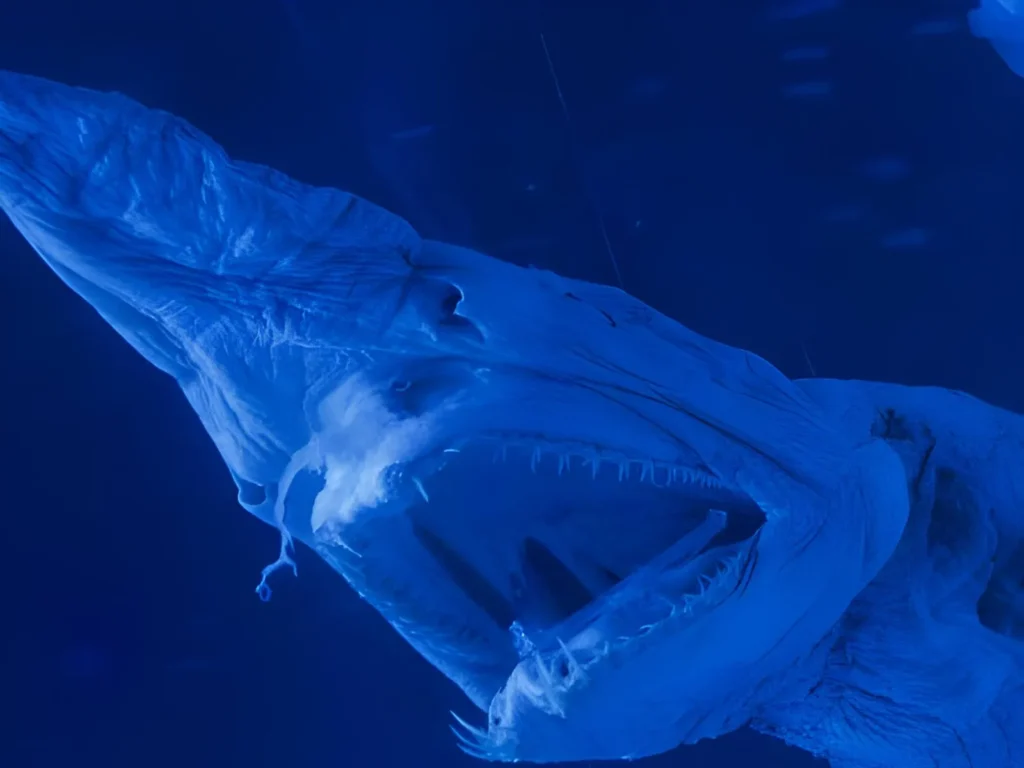
The alien jaw: Their jaw isn’t attached normally. It can shoot forward out of their mouth at lightning speed using a slingshot mechanism, extending up to 3 inches to grab prey. Imagine if your entire jaw could extend forward like a xenomorph – that’s goblin shark feeding.
Living fossil: These weird animals are the only living species in their family (Mitsukurinidae), making them a “living fossil” with a lineage dating back 125 million years. They’ve barely changed since the age of dinosaurs.
Where they live: Deep ocean waters worldwide (rarely seen)
Poor swimmers: They’re slow, flabby, and seemingly weak swimmers with reduced fins. But that projectile jaw makes up for any swimming deficits – prey never sees it coming.
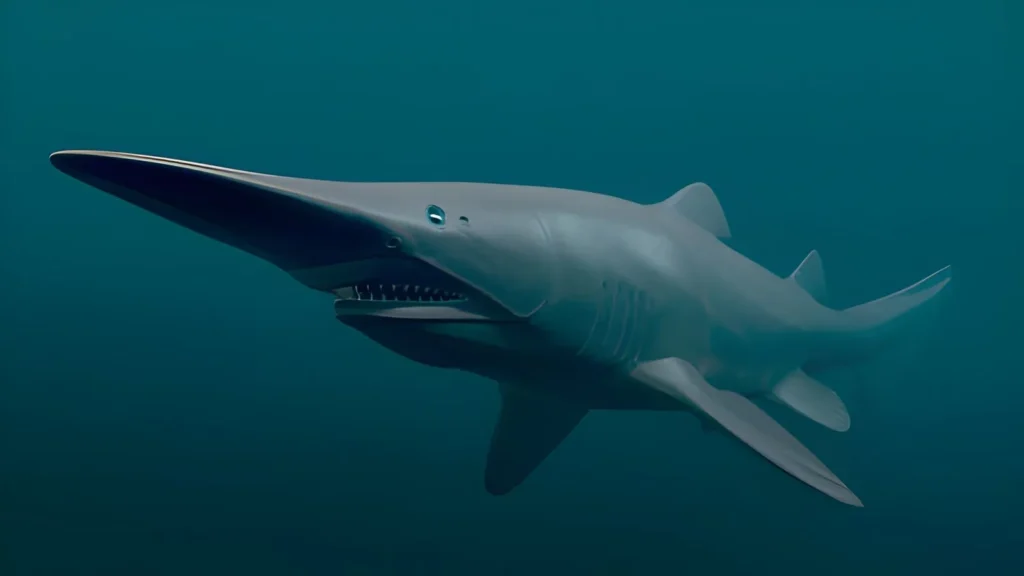
Pink color: Their color comes from blood vessels visible through translucent skin, giving them a ghostly pinkish appearance.
Every goblin shark caught is international news because these strange creatures are so rarely encountered. Scientists estimate fewer than 50 specimens have ever been captured or observed.
For more unusual defense mechanisms, check out why the honey badger attacks private parts during fights!
29. Coconut Crab – The Tree-Climbing Giant That Might Have Eaten Amelia Earhart
Imagine a crab so massive it can climb trees, crack coconuts with its claws, and has a grip strength of 3,300 newtons (stronger than most large predators). That’s the coconut crab – the world’s largest land arthropod.
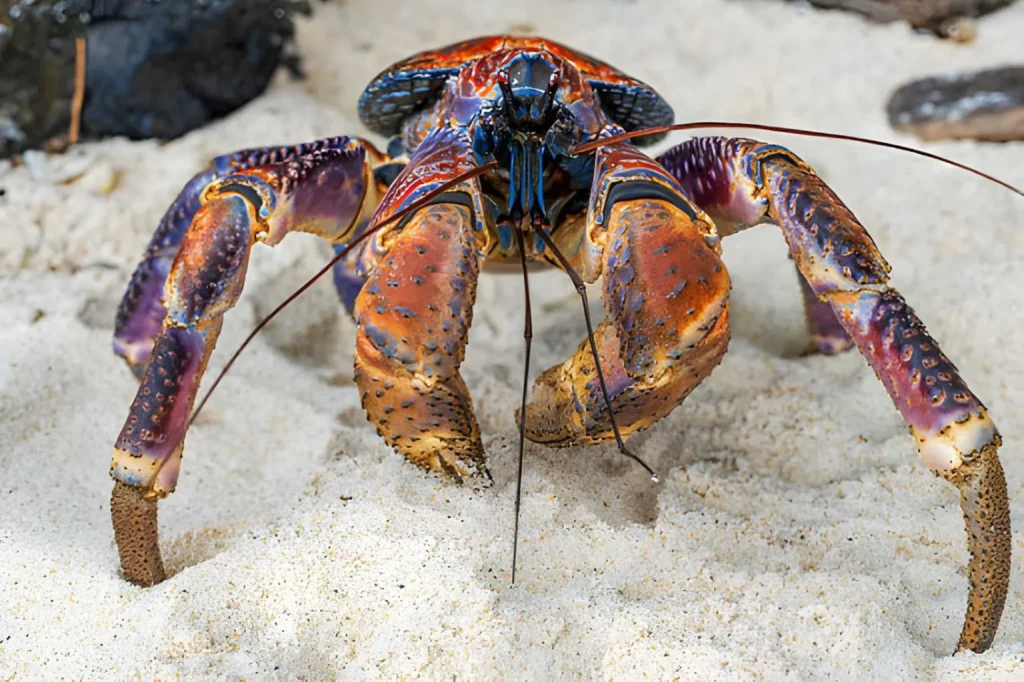
Massive size: These bizarre animals can grow up to 3 feet across and weigh up to 9 pounds. They’re so strong that locals use them to crack coconuts – just point the crab at a coconut and it’ll do the work.
The Amelia Earhart theory: Here’s where it gets dark: coconut crabs are aggressive scavengers that will eat ANYTHING, including other coconut crabs. Some scientists theorize they might have consumed Amelia Earhart’s remains after her plane crashed on Nikumaroro Island in 1937, where coconut crabs are common.
Where they live: Islands across Indian and Pacific Oceans
Tree climbers: They regularly climb palm trees to get coconuts, then carry them down to crack open. They can climb up to 20 feet high.
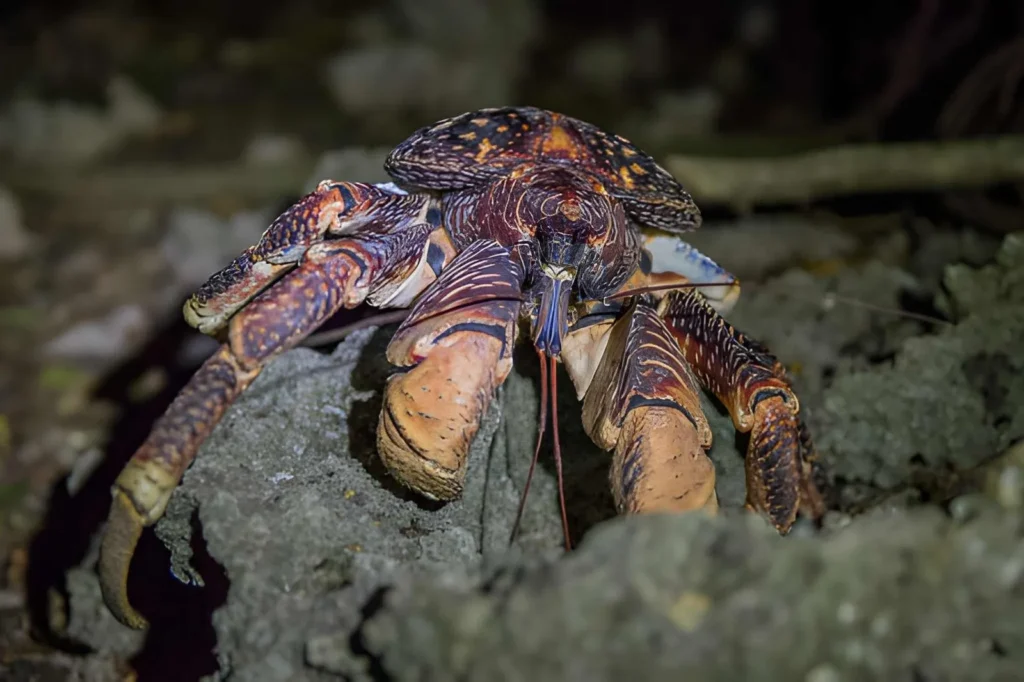
Nightmare camping: They’re attracted to shiny objects and have been known to steal camping gear, food, and even cutlery from campsites at night. Imagine waking up to a giant crab stealing your car keys.
These freaky animals are living proof that crabs conquered land… and they’re terrifyingly good at it!
30. Tardigrade (Water Bear) – The Indestructible Micro-Animal
Okay, you need a microscope to see these guys, but tardigrades (also called water bears or moss piglets) are so spectacularly tough that they earned their spot as the weirdest animals on this list.
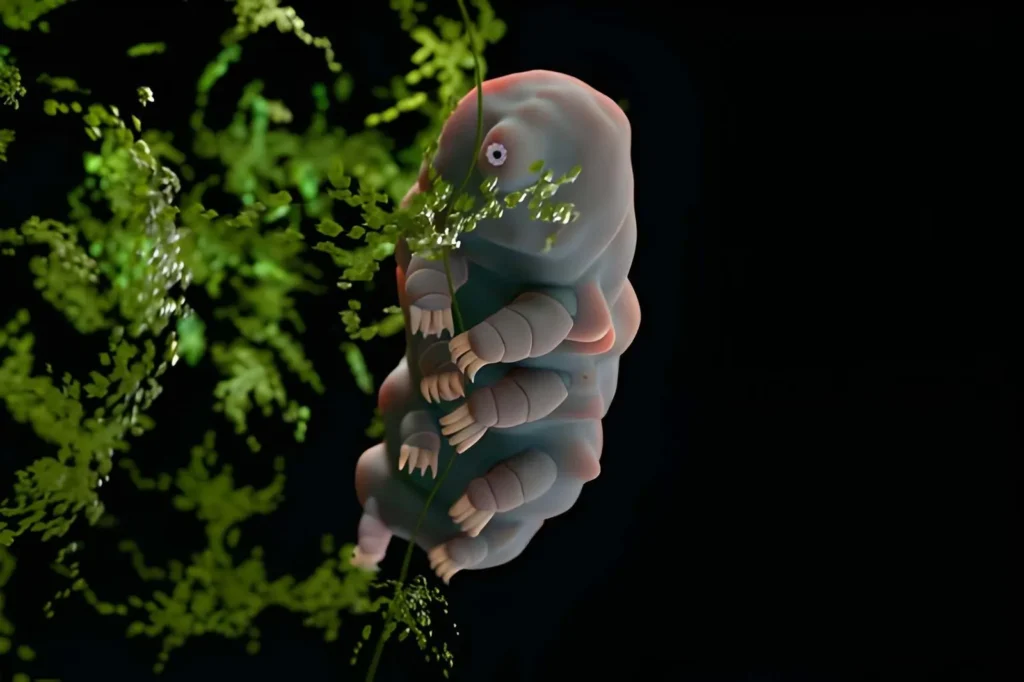
Literally unkillable: These microscopic creatures (0.5mm long) can survive:
- Temperatures from near absolute zero (-458°F/-272°C) to 300°F (149°C)
- Pressure six times greater than the deepest ocean trenches
- Radiation 1,000 times stronger than lethal dose for humans
- Being boiled, frozen solid, completely dehydrated for DECADES
- The vacuum of space
How is this possible? When conditions get bad, tardigrades enter cryptobiosis – a state of suspended animation where they’re basically dead but not really. They replace all water in their bodies with a sugar called trehalose, essentially turning themselves into glass. Add water years later, and they come back to life within hours.
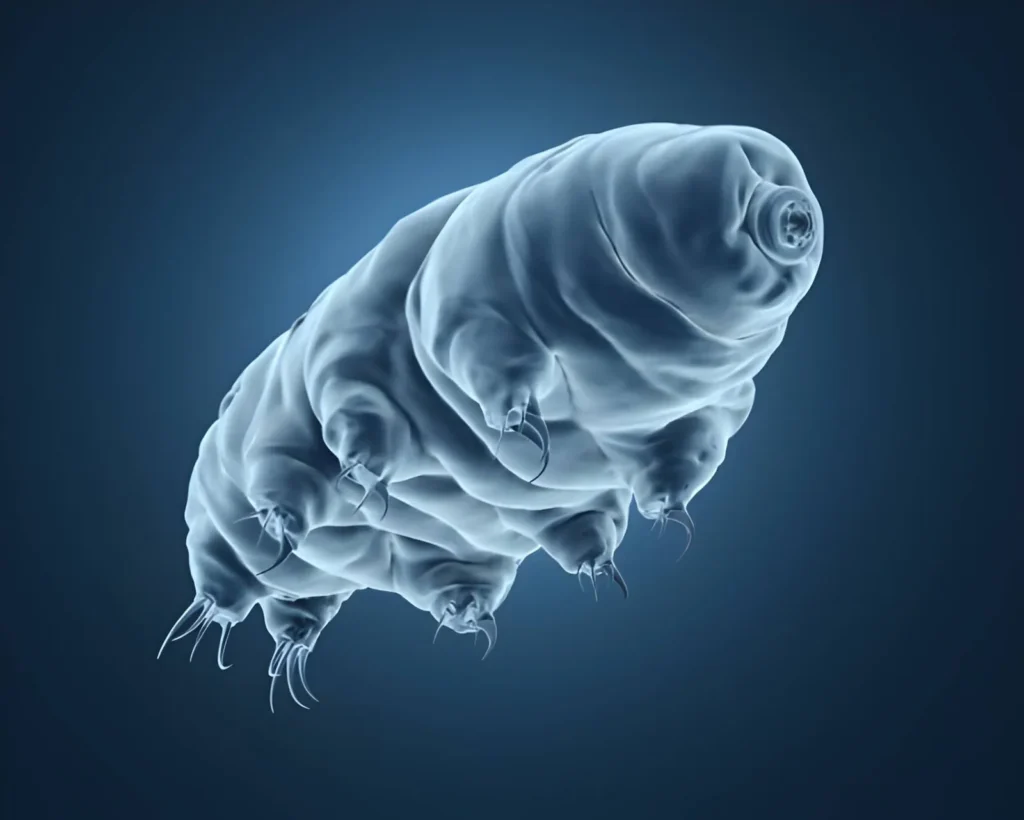
Where they live: Literally EVERYWHERE – oceans, mountains, rainforests, Antarctica, your backyard moss, even your gutters
Space survivors: NASA sent them to space in 2007. They survived the vacuum, radiation, and came back alive. They’re the toughest animals on Earth and possibly the universe.
Why they matter: Scientists study them to understand extreme survival, develop better vaccines (some can survive without refrigeration), and prepare for long-space missions. These unusual animals might hold keys to human survival in extreme environments.
If alien life exists anywhere, it probably looks like tardigrades!
Why Should We Protect These Weirdest Animals?
Here’s the uncomfortable truth: many weirdest animals in the world are disappearing faster than we can study them.
Real-world applications from bizarre animals:
- Gecko feet → Medical adhesives for surgery
- Kingfisher beaks → Bullet train designs (Japan)
- Mantis shrimp eyes → Advanced cameras and sensors
- Axolotl regeneration → Tissue repair research
- Hagfish slime → Biodegradable plastics
- Tardigrade survival genes → Vaccine preservation
- Blobfish pressure adaptation → Deep-sea technology
- Echidna electroreception → Underwater detection systems
Every time we lose one of these exotic animals, we lose millions of years of evolutionary problem-solving. The weirdest animals on earth aren’t just nature’s jokes – they’re genetic libraries full of solutions to problems we haven’t even encountered yet.
Conservation matters: According to World Wildlife Fund, we’re in the sixth mass extinction event, but this one is human-caused. We’re losing species 1,000-10,000 times faster than the natural extinction rate. Many unusual animals on this list are endangered or critically endangered.
What you can do:
- Support conservation organizations (even $5 helps)
- Don’t buy exotic pets or wildlife products
- Reduce your carbon footprint (Life Style / Fitness)
- Spread awareness (share weird animal facts!)
- Vote for politicians who protect wildlife (Countries)
- Choose eco-friendly tourism that respects animal habitats
These strange animals, freaky animals, and obscure animals aren’t expendable. They’re essential parts of ecosystems, potential sources of medical breakthroughs, and reminders that life on Earth is far more creative than we ever imagined.
Plus, let’s be honest – the world would be boring if every animal looked like a golden retriever. Weird is wonderful. Weird is worth saving.
Final Thoughts: Celebrate the Weird
The next time someone tells you they’ve “seen everything,” show them a fish with human teeth, a snake that looks like a penis, or a crab that might have eaten Amelia Earhart. Show them this list of weird animals and watch their mind explode.
Nature’s creativity makes our best science fiction look amateur. The weirdest animals in the world remind us that there’s no “right” way to exist. Evolution doesn’t follow design rules or care about aesthetics – it just finds solutions that work, no matter how bizarre they look.
These creatures survived millions of years of challenges by being different, not by fitting in. In a world that celebrates conformity, the weirdest animals on earth are nature’s rebels – and they’re winning (or they were, until we showed up).
So the next time you feel weird or out of place, remember:
- There’s a fish walking on lipstick-red lips, thriving in the Galápagos
- There’s a crab the size of a small dog climbing trees and stealing camping gear
- There’s a wasp turning cockroaches into zombies for their larvae to eat
- There’s a microscopic bear surviving in space
- There’s a bird that looks like poop and eats horny moths
- There’s literally an animal called a penis snake, and it’s doing fine
Stay curious. Stay weird. And please, help protect these absolute legends.
These unusual animals, unique animals, and rare animals teach us that being different isn’t just okay – it’s often the key to survival and innovation. In a world losing biodiversity at alarming rates, protecting weirdest animals means protecting the incredible variety of life that makes Earth special.
Whether through supporting conservation groups, reducing environmental impact (Life Style), spreading awareness about cool weird animals and crazy looking creatures, or refusing to buy products from endangered species – every action counts.
The future of the weirdest animals literally depends on what we do today. These strange looking animals, goofy looking animals, funny looking creatures, and freaky animals aren’t just entertaining oddities – they’re essential ecosystem members, potential medical breakthroughs, and living reminders that life finds a way.
Remember: today’s “weird” might be tomorrow’s cure for cancer, solution to climate change, or inspiration for technology that changes everything. These wacky animals and obscure animals hold secrets we haven’t begun to understand.
Protect them. Celebrate them. Share their stories. Because a world without weird creatures and bizarre animals is a world that’s lost its sense of wonder.
Frequently Asked Questions About the Weirdest Animals
Q1: What is the absolute weirdest animal ever discovered?
The platypus wins – a mammal that lays eggs, has no stomach, produces venom, and hunts using electroreception. When European researchers first saw it in 1798, they searched for stitches thinking it was a prank!
Q2: Are there more weird animals still undiscovered?
Absolutely! Scientists estimate we’ve only discovered 14% of all species. The deep ocean is 95% unexplored, and new bizarre creatures are discovered every year.
Q3: Why do the weirdest animals usually live in extreme environments?
Extreme conditions force unusual evolutionary solutions. Weird traits that seem pointless elsewhere become perfect survival tools in deep ocean trenches, deserts, or isolated islands.
Q4: Can you legally own any of these weird animals as pets?
Most are illegal or terrible pets – they die from stress or improper care. Stick to dogs and cats; wild animals belong in the wild!
Q5: What’s the difference between weird and endangered?
Many weird animals ARE endangered because their specialized traits make them vulnerable to habitat loss and climate change. Pangolins, axolotls, and gharials are both weird and critically at risk.
Q6: How do scientists even find these weird animals?
Through deep-sea exploration, camera traps, DNA analysis of water/soil samples, and local indigenous knowledge. Technology like underwater drones and genetic sequencing has revolutionized discovery.
Q7: Will evolution create more weird animals in the future?
Yes, but human impact is forcing rapid evolution. Some species may adapt to new environments, but many face extinction faster than they can evolve.
What’s YOUR favorite weird animal from this list? Have you ever encountered any of these strange animals or unusual looking animals in person? Which bizarre creatures surprised you most? Drop a comment below and let’s geek out together about nature’s most incredible oddities!
